
intro . . . .
Orig below:
A powerful learning journey
Finding your way through this section
There's more to it than you think
There’s more to it than you think.
Over the last 20 years of research and development in schools, TLO has offered, supported, provoked and harvested a great deal of information about classroom practice all to support the development of teaching that would build students as powerful learners. You might well wonder why such content has merited documentation and online modules let alone any further clarification for teachers. Why can’t you just go to conferences and be inspired, read a book about it and get on with it and chat with other teachers who are giving it a go. We’ve discovered over time that:
- this level of innovation in classroom culture, which, in some sense, is working against the grain of current ‘knowledge rich curricula’, is harder and more complicated than it appears
- schools in the past have had a tendency to think of the approach as merely a few tweaks in classroom practice, to make light of its potential and translate ‘lite’ versions of it in schools…which inevitably fizzle out
- research by Chris Watkins and others has revealed just what it takes to shift classroom cultures to become more learning friendly. This has given the search for learning power a richer, more concrete vision of how to implement it across a school;
- our unique research into how learners could grow and progress as learners…what the ‘building’ bit of Building Learning Power looks like at different phases, has made the ‘how to’ aspect of the approach more purposeful. Not an approach but a way of being. All this new research has continued to add purpose and rigour.
The rich ideas now embedded into building powerful learners are far too extensive and deep to be dealt with in once in a blue moon school training days or even carefully focused online modules. The online programmes and modules attempt to:
- chop a big complex innovation into more bite size chunks for schools
- suggest which chunks are best to tackle and make sense of first
- faithfully offer the researched content in a do-able form i.e. so that schools only get the bits we know work which saves you time twiddling about with stuff that may sound good but doesn’t do the job
- couple the researched online content with professional learning team sessions in schools because these are the best ways of supporting and delivering changes in classroom practice.
And now we are adding another organising strand; that of the conscious development of teachers’ practice. You see, there is:
- no point in just knowing more stuff unless you can use it to change/improve your practice purposefully
- AND
- no point in changing your practice unless you know more about how it builds on what you do already, what sort of change is likely to work and where it might go next.
Together the progression in your teaching behaviours will assist students to build their learning behaviours all facilitated by the vast range of teaching ideas in the learning programmes. This combination will enable a school to build better learners right not lite, make a complex set of ideas work on a practical level, and achieve the outcomes you want for your learners efficiently and effectively.
Changing professional habits
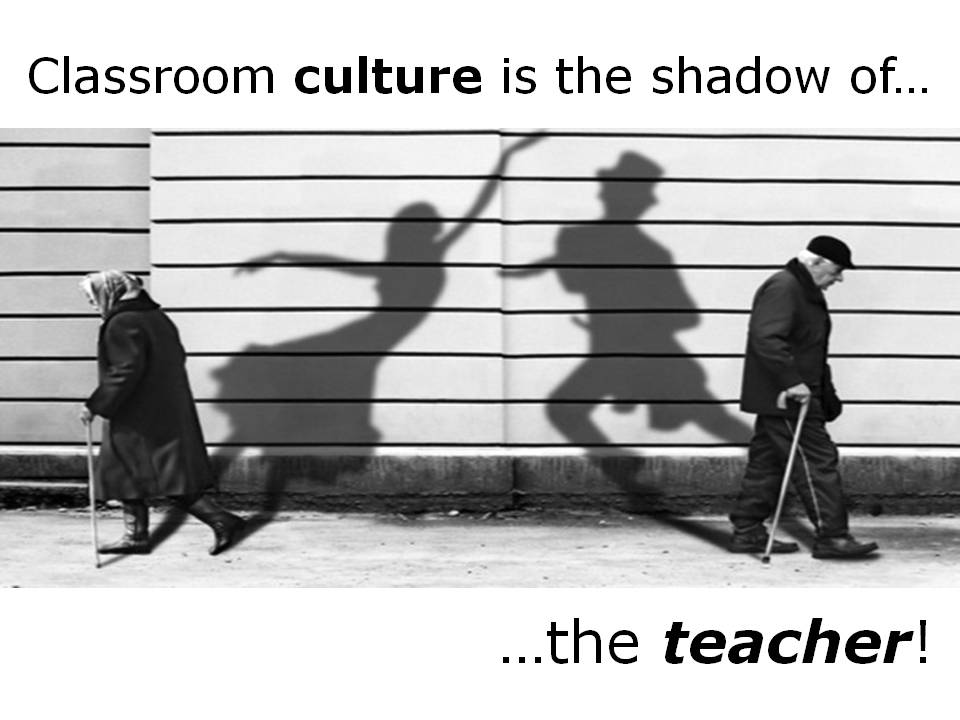
A critical aspect of our carefully blended programmes is the school’s support for Professional Learning Teams; teams designed to turn researched ideas into practice in classrooms. When teachers want or need to improve it actually involves them in changing their teaching habits. It’s not just about knowing new stuff, it is about doing what you do differently. That’s much harder. It involves changes to;
- what you know – knowledge
- what you believe – feelings or attitudes
- what you can do – your skills
- what you actually do – putting it all into practice
So changing how you teach is a delicate, complex process……...that’s why it’s hard! And the hardest thing isn’t getting new ideas into teachers’ heads It’s getting the old ones out…….that’s why it takes time and effort. It takes time and practice to undo old habits and become graceful at new ones……that’s why these learning programmes are based on how adults learn and the researched professional development approach of teacher learning communities.
Comments are closed.