
If we want children to become better learners we first need to offer them more opportunities to use and cultivate their learning powers This involves shifting the culture of classrooms so that they systematically cultivate the positive learning habits and attitudes of young people. ‘Culture’ is about all the little habits, routines and practices that implicitly convey ‘what we believe and value round here’; where, hour by hour, day by day, term by term students experience the values and practices that are embodied in the school.
Here we look at the teacher’s role through:
- examples of the sort of responsibilities teachers might devolve to learners
- examples of different ways to be as a teacher
- modelling the process of learning
- acting as a coach; asking not telling
- enabling greater learner responsibility
- encouragement to try things out with your learners
- suggestions of ways to plan to expand devolving responsibility to students
Key points in devolving responsibility for learning:
- Give students more of a stake in the process of their own learning
- Become the learning coach; enable students to find their own ways to improve
- Help students to see each other as resources for learning by using collaborative activities
- Offer students choices about what and how to learn
- Encourage students to talk more; adults talk less
- Model being a learner
- Promote, enable and support the best of what we know about learning
A useful list of ways to devolve responsibility
Ways to devolve responsibility
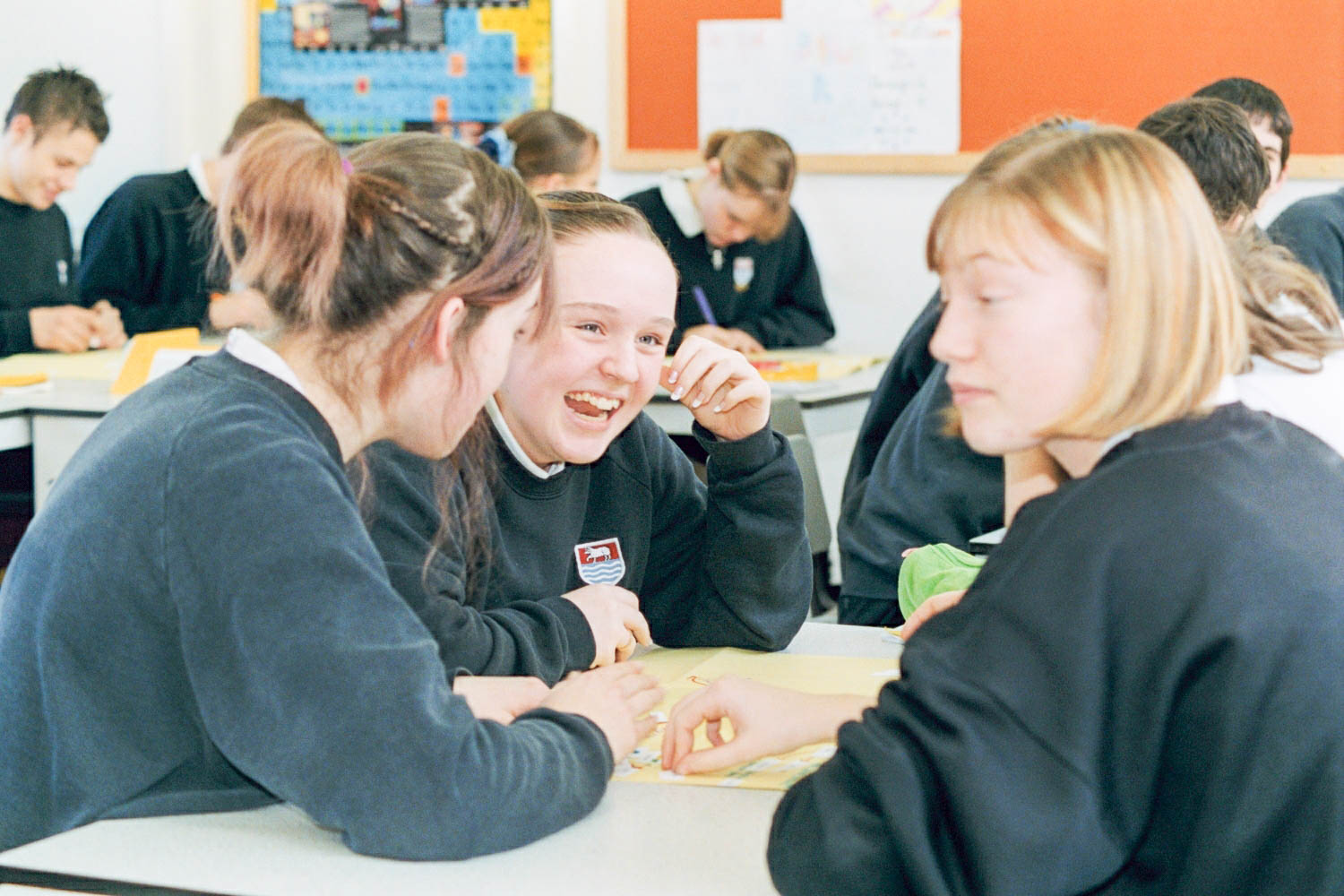 An important way of bringing learning to the surface is to let students do more of it; to become more active in the learning process. Active learners are not only offered more opportunities to decide what to do, but are also actively learning through the explicit review of their own experience. The focus on students’ activity as learning rather than performing, hence the teacher makes sure that:
- plenty of collaborative activity, since this helps students to see each other as resources (not rivals) for learning
- students can make choices about what and how to learn (high levels of learner autonomy)
- students experience failure as a necessary and useful part of learning (tolerating uncertainty, mess, error and initial failure)
- students are given a chance to talk more – and adults talking less
- students experience more open-ended activities – and create their own
- students have more opportunity to spend longer on an activity, to feed their interest/engagement in it
- students establish high-level goals for their own learning, based on challenge and quality feedback including their own
- students have access to learning experiences that are under-, rather than over-engineered, with elements of ambiguity
- students can decide on admissible outcomes
This shift to more learner involvement offers deep professional satisfaction and a new set of learning relationships. Ask yourself :
- How many of the above do I use in order to enable my students to become better learners?
- How frequently do I offer such opportunities?
Comments are closed.