
1. The why of this resource
This resource has been designed to meet a cry for help from secondary schools as they combat a growing challenge of widening attainment gaps between some groups of students, most notably Pupil Premium, and other students. Our approach to building better learners, explained in this resource, is commonly applied in primary schools as a whole school strategy. This whole school approach has proved to be far more difficult to achieve in secondary schools where teachers meet students much less frequently and for much less time. The resource aims to narrow the achievement gap, and avoid students falling further behind, by enabling teachers with responsibility for assisting their target group of students to; 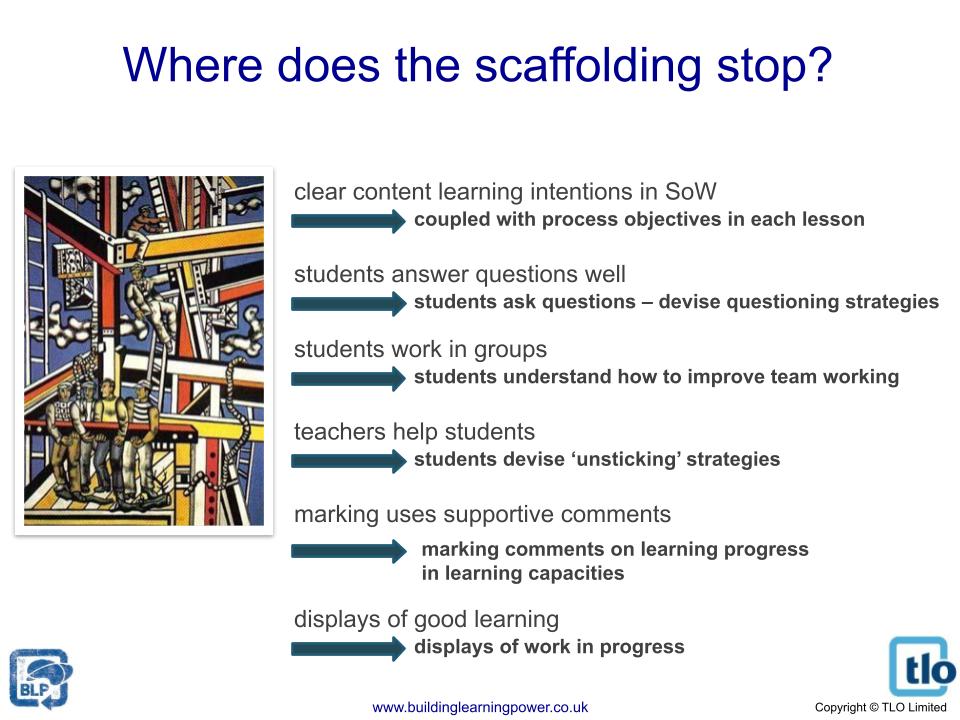
2. The how of this resource
The approach to learning advocated here comes from the vision of twenty-first century education and the new sciences of learning that underpin it. It starts from first principles; that we now know an individual’s ability isn’t fixed; that the brain is like a muscle; that its intelligence grows with exercise. Selling this idea to learners brings, in itself, far more enthusiasm for engaging with the potential delights of learning, helping students to become more independent, more reflective, and better able to plan and evaluate their own learning. This, as John Hattie’s research has shown, is a better way of boosting students’ attainment than more drilling in the subject-matter. The great strength of this approach is that there is already a wealth of tried and tested strategies that teachers can introduce immediately to begin to transform the learning experience of their students, and give them a language with which to think about the process of learning. You can boost the development of students’ confidence, capacity and appetite for learning itself.
3. The what of this resource
This resource offers teachers; Each section deals with a key aspect of understanding, introducing and testing the approach: Section structure…

4. Using this resource seriously
High road…doing it seriously with before and after testing see section 3 the lower road….Stuff on what to tackle when and how
5. It won’t be an overnight success
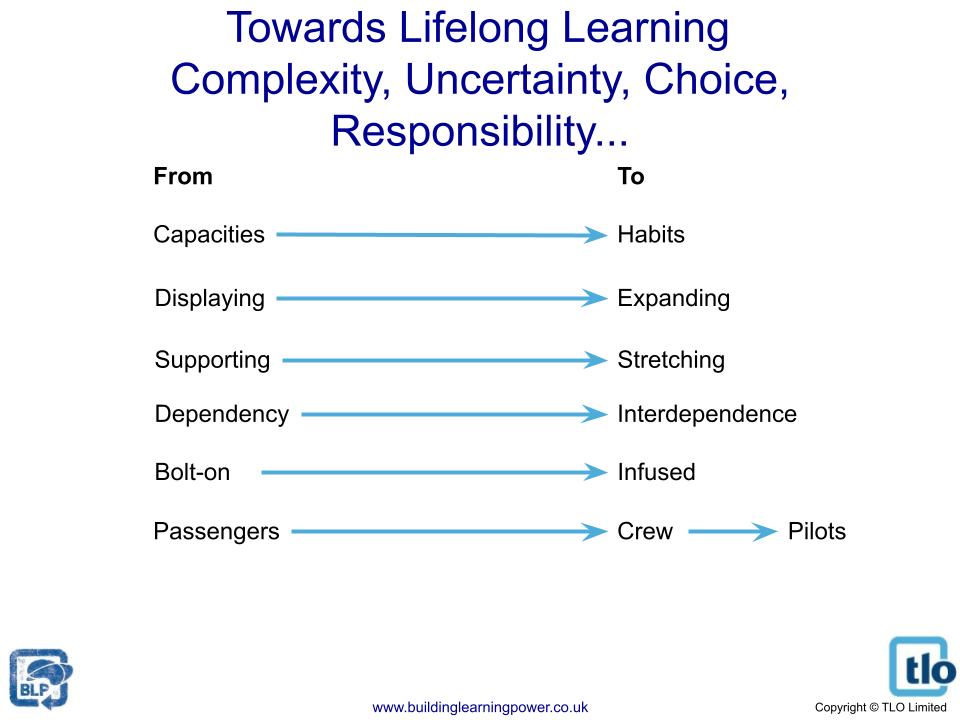
All this may be worthwhile but no one said it would be easy…worthwhile things rarely are…and that’s why you need to keep your eye on your students’ ‘dispositional’ progress. Seeing their dispositions change will be your reward. In the early days of introducing learning power the typical progress of a teacher followed 3 stages ( as shown opposite). We think this is worth sharing with you in the hope that you can grasp the teaching ideas more rapidly. Find out more on this progression in section xxxxxx 


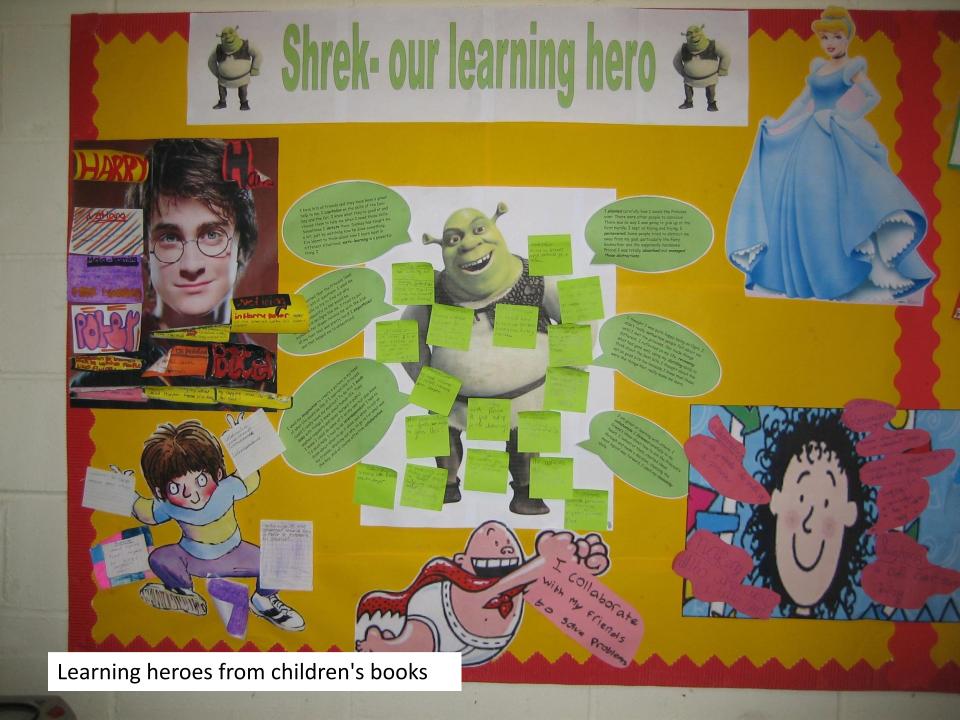


……
Slides to move somewhere:



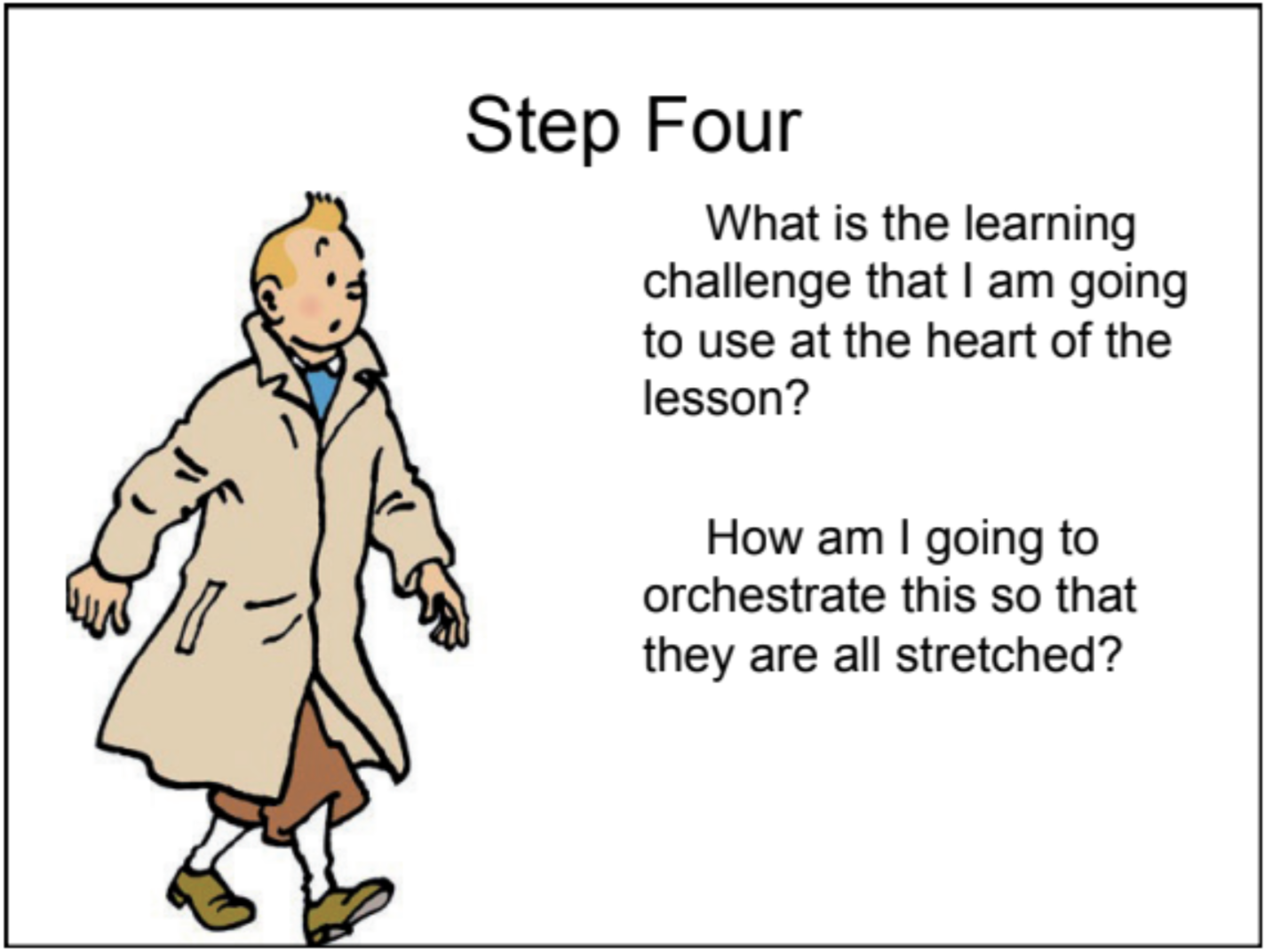
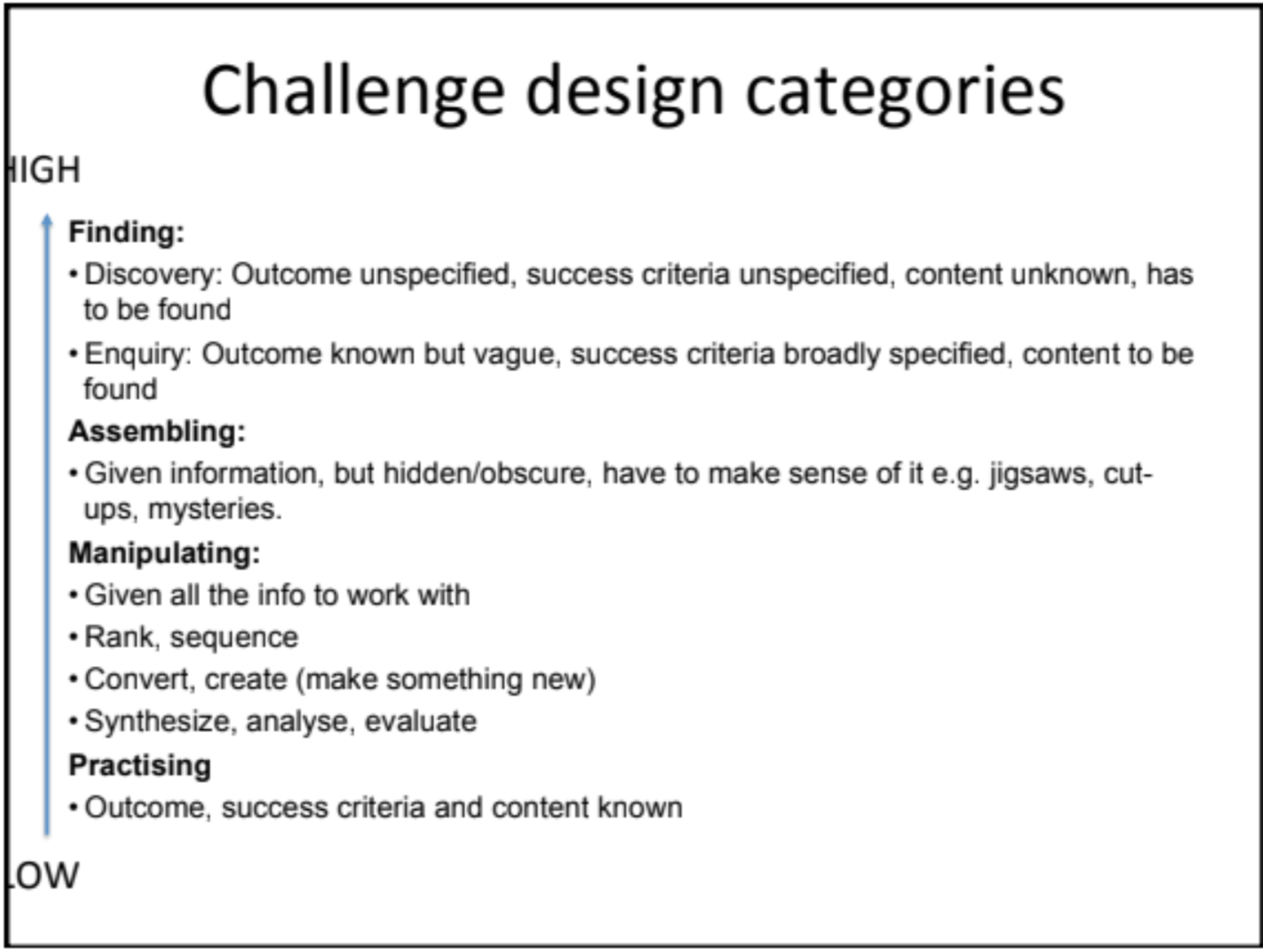









Comments are closed.