
The what, why and how of this resource.
1. The what of this resource
This resource offers teachers and schools:
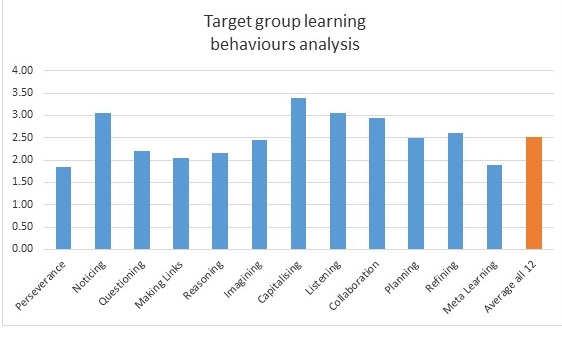
- a manageable set of tools to enable schools/teachers to uncover, collect and analyse information about their students’ learning character;
- an outline of the research, value, makeup and growth of peoples’ learning character.
These tools aim to help your school discover and analyse your students’ learning behaviours and use this information as an essential starting point for helping students become better learners. In other words this resource will help you and your school to;
- use a rich picture of your students’ learning behaviours, rather than attainment, to underpin your approach to helping them to improve, develop or catch up on their learning.

2. The why of this resource
- What are your students like as learners…now?
- Do they have a learning character and can this be moulded?
- What are my students’ learning strengths or limitations
- Which learning behaviours do our students need to strengthen…now?
- Does learning character play any part in influencing the attainment of higher vs lower performing students?
These unusual yet vital and urgent questions form the stimulus for this resource; a practical tool to help teachers and schools uncover their students’ learning character and use this, usually hidden and unknown information, as the very basis for developing and strengthening them as learners.
Our growing understanding of how learning habits build has led us to ask how schools might use such information to help shape teachers’, or even whole school, plans. What does growth in learning habits look like? How might teachers estimate students’ phase of growth? Might schools use this information in strategic plans of action (Intent)? What sort of activities would teachers need to use to strengthen the growth of learning habits? (Implementation) What would count as evidence of impact and how might that be captured and reviewed? (Impact).
3. The how of this resource
Each section deals with a key aspect of understanding and using the tool and reading the results.
- Section 1 What makes a difference in learning?…offers you a brief introduction to the meaning, purpose and attributes of learning character /learning power.
- Section 2 Uncover the mysteries of learning behaviours...offers rich descriptions of the learning behaviours that form part of this measuring tool.
- Section 3 Up close and personal with learning…invites you to start considering learning behaviours seriously by looking at yourself as a learner, followed by a couple of students.
- Section 4 Finding learning characteristics….suggests how you might go about gathering, recording and interpreting the evidence for just one class and then for the whole school
- Section 5 Where now, what’s next? explores the changes you might make based on the data collected and the routes you might take to ensure growth in pupil’s learning behaviours.
4. The where from of this resource
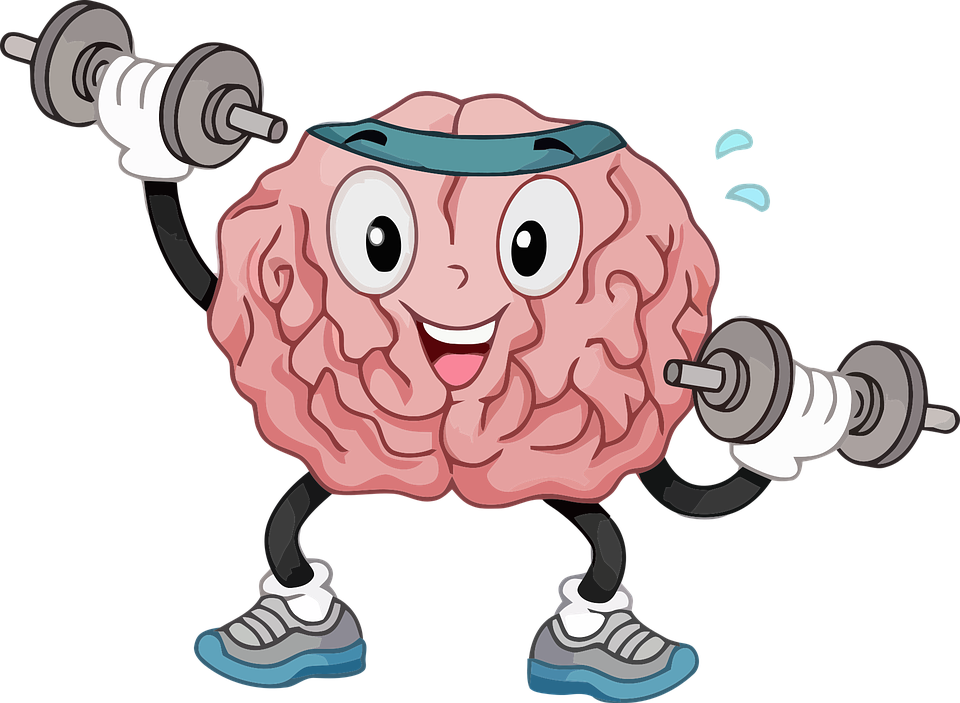
The idea of learning behaviours that are explained and analysed using this resource comes from a vision of twenty-first century education and the new sciences of learning that underpin it. It starts from first principles: that we now know an individual’s ability isn’t fixed; that the brain is like a muscle; that its intelligence grows with exercise. Selling this idea to learners brings, in itself, far more enthusiasm for engaging with the potential delights of learning, helping students to become more independent, more reflective, and better able to plan and evaluate their own learning. This, as John Hattie’s research has shown, is a better way of boosting students’ attainment than more drilling in the subject-matter.
The great strength of this approach is that there is already a wealth of tried and tested strategies that teachers can introduce immediately to begin to transform the learning experience of their students, and give them a language with which to think about the process of learning.
This resource affords teachers an insight into the skills and attitudes their students use when learning…
Comments are closed.