
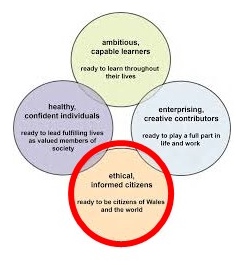
The focus of this unit is on the development of Ethical, Informed Citizens . . .
who take responsibility for their actions; are attentive, open and empathetic to different ideas and views; maintain a principled, questioning stance in considering the worth and value of something.
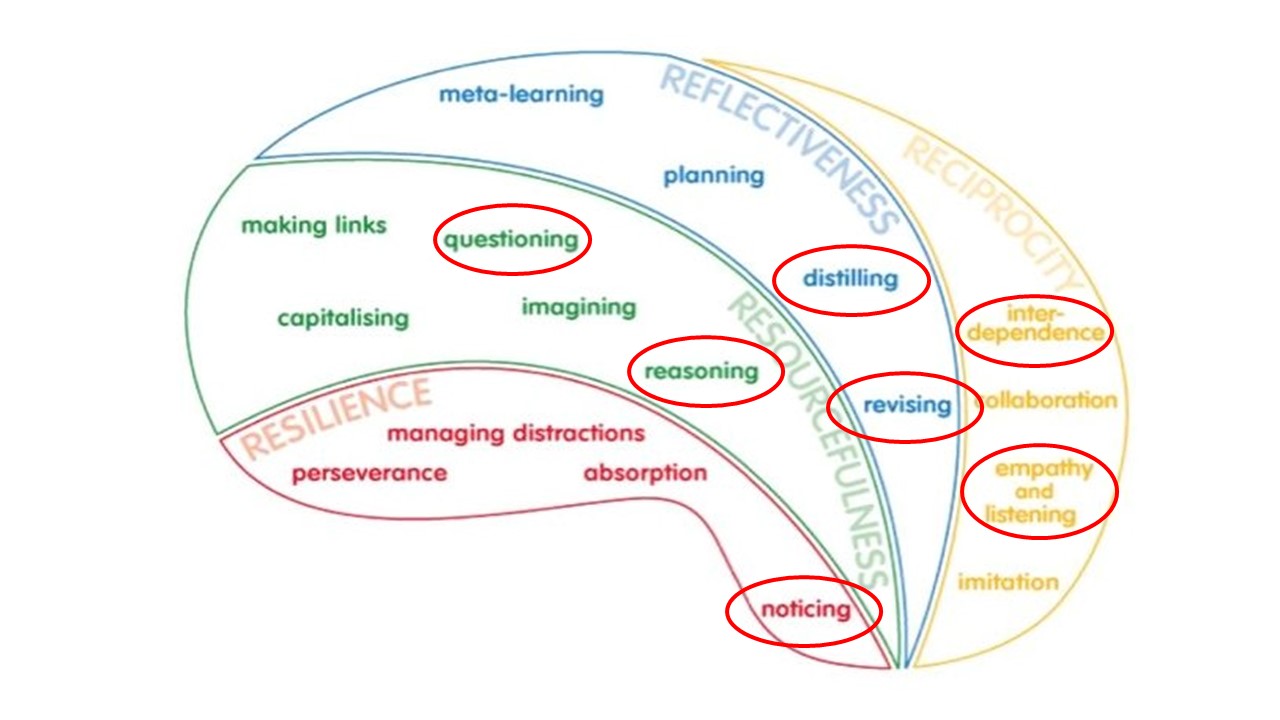
Ethical, informed citizens engage a blend of learning behaviours:
They …
- are attentive and open to others
- are interested in those who how views different from their own
- consider the potential impact of their actions on others
- take responsibility for their actions
- balance self-interest and the greater good.
The activities, think pieces and questions in this online unit aim to help you to make a start on:
- introducing students to the key behaviours of ethical, informed learners;
- using the language of ethical, informed learning effectively with students;
- designing the use of ethical, informed learning behaviours into the way you teach;
- developing the confidence and skill in helping students to grow their own ethical, informed outlook.
The following sections will help you to tailor your classroom practice to support the development of these dispositions.
- Section 1 explores the learning behaviours of ethical, informed learners
- Section 2 discusses the classroom culture that supports the development of ethical, informed learners
- Section 3 offers ideas to practise in your own classroom
- Section 4 contains some suggestions about how you might talk to encourage ethical, informed learning behaviours
- Section 5 makes suggestions to move practice on.
About ‘Helping learners to access Successful Futures’ – a reminder
This is one of 12 units in the suite ‘Helping learners to access Successful Futures’. The units address the 4 purposes of the Successful Futures curriculum and the 4 integral skills for modern life and work, and set these requirements into 4 aspects of a learning-friendly classroom culture within which they can thrive.
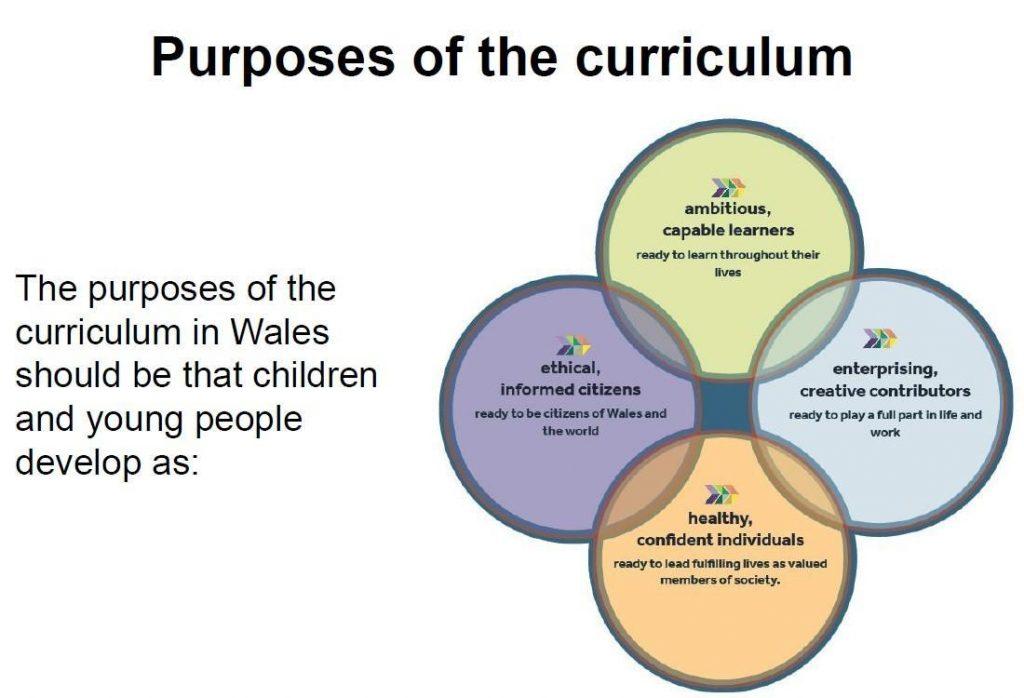 The 4 purposes of the curriculum as defined in Successful Futures are that young people should develop as:
- Ambitious, capable learners;
- Enterprising, creative contributors;
- Healthy, confident individuals;
- Ethical, informed citizens – this unit

The 4 integral skills necessary for modern life and work are defined as:
- critical thinking and problem solving
- planning and organising
- creativity and innovation
- personal effectiveness (closely linked integral skill)
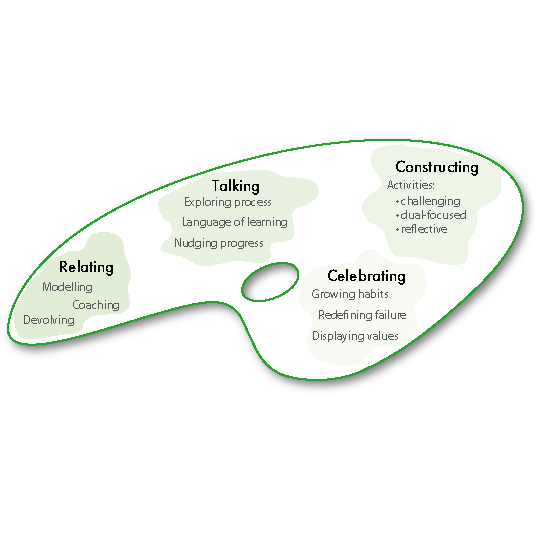
The 4 aspects of classroom culture within which these core purposes and wider skills can develop and thrive are:
- Classroom learning relationships;
- Classroom talk for learning;
- How learning is constructed;
- How learning is celebrated and grown.
Comments are closed.