

1. Where are you now?
Near or far?
Time look at one or both (7 glimpses or website)?
Useful?
Ideas close to the school’s current practice?
Why is developing learning power a valuable goal across the school?
Stumbling blocks?
Would you know whether and how your year 6 students were better at learning than year 2 students?
Or, if your year 11 students were better at learning than year 7 students?
How?
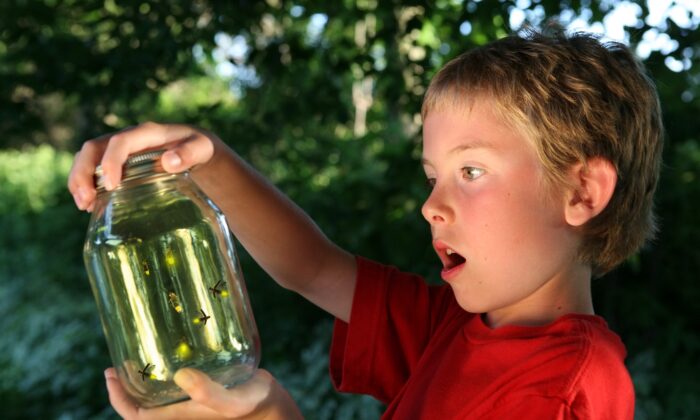
” I can’t think of anything more worth learning than learning to learn. It’s like having money in the bank at compound interest” David Perkins. Project Zero, Harvard University
2. How is the school planning to make building learning behaviours work?
Building ideas and infrastructure.
For teachers… what do they need to build their understanding of?
- key psychological characteristics?
- how learning behaviours grow?
- how to integrate the behaviours into the way they teach?
- working collaboratively to bring all this about?
For leaders…how will you provide opportunities for staff to;
- meet (in a safe professional environment) to explore putting learning behaviours into the classroom?
- translate ideas from online materials into “lived” practices in classrooms?
- monitor and celebrate changing practice across the school?
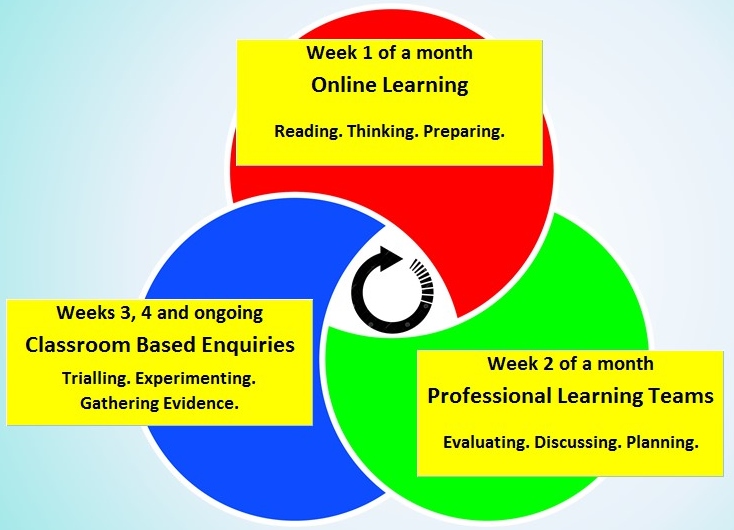
A combination of online learning, learning with and from colleagues, and learning from small scale enquiries in their own classrooms.
3. What do you know about your students as learners now?
The materials support the growth in learning behaviours
- What are your students like as learners…now?
- What are their learning characters like now and can these be moulded?
- What are my students’ learning strengths or limitations
- Which learning behaviours do our students need to strengthen…now?
- Does learning character play any part in influencing the attainment of higher vs lower performing students?
These unusual yet vital and urgent questions form the stimulus for this resource.
A practical tool to help teachers and schools uncover their students’ learning character and use this, usually hidden and unknown information, as the very basis for developing and strengthening them as learners.
The materials help you to;
- uncover, collect and analyse information about each of your students’ learning character
- grow and value students’ learning characters.
- use a rich picture of your students’ learning behaviours, rather than their attainment, to underpin your approach to helping students to improve, develop or catch up on their learning.

4 Various kinds of starts
A. If you have an immediate problem to solve…
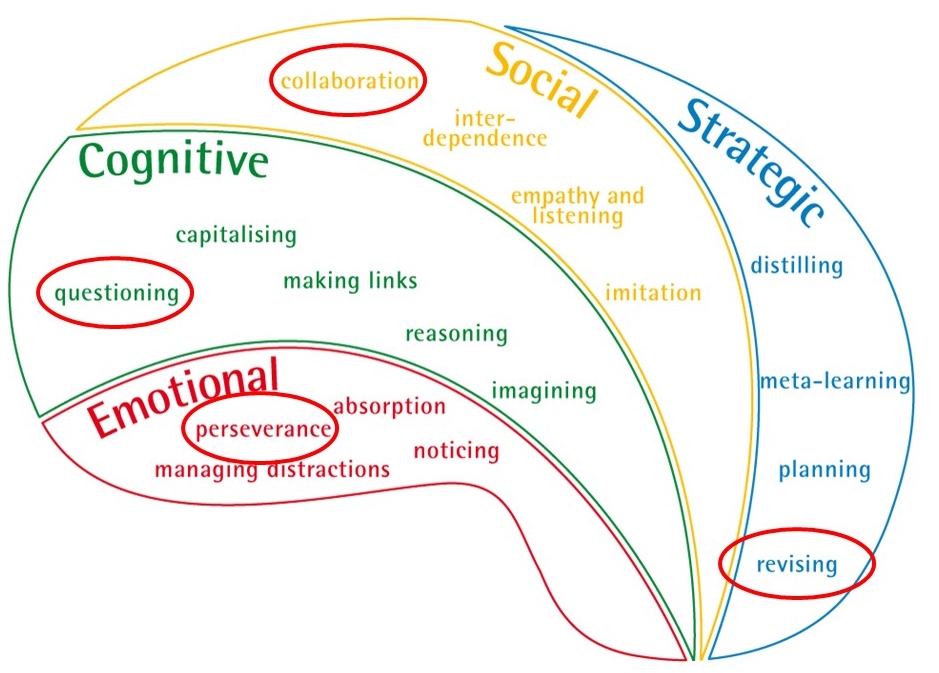
e.g Students lack resilience, fear questioning, find working together difficult or rarely review their progress or change tack. Four resources to cover resilience, questioning, collaboration and revising.
E.G. Re-energising Your Learners’ Resilience
- simple-to-use
- primary and secondary versions
- 110 ideas for building students’ resilience.
- rapid access to classroom-focused material
- revives, develops and grows students’ emotional learning behaviours
B. If you need a ready-made PSHE programme…
Supporting the growth of learning behaviours (12 units) These resources have two parts with a linked function;
- for teachers… practical information about using and integrating one learning behaviour into the way they teach
- for students… 3 learning-to-learn lessons per learning behaviour (36 altogether) dedicated to understanding and growing one of their learning habits
C. If you want to get to know your students as leaners…
Finding Learning Power
- primary and secondary versions
- separate ‘how to’ resource for both leaders and staff
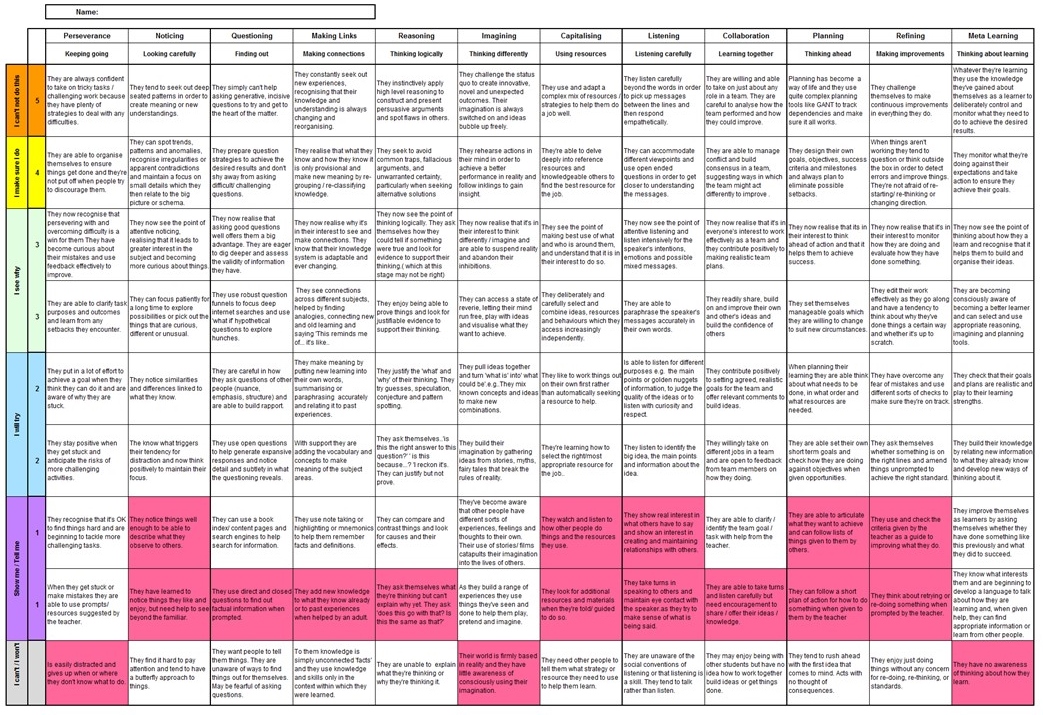
- focus is on plotting student growth in 12 learning behaviours
- leader version has resources to introduce the resource to staff.
- advice on what and how to harvest student data
- an essential component of Playing the learning power game
- does not give suggestions about how to grow learning behaviours
- a resource that’s full of intriguing surprises
D. If you’re ready to commit to an ambitious learning opportunity…
Playing the learning power game
- primary and secondary versions
- separate leaders and staff ‘how to’ resource
- includes the resource to estimate student growth
- works on transforming the culture of classrooms
- starts slowly with the Foundational Four learning behaviours
- offers monitoring tools to track development of the learning environment
- broadens practice beyond the foundational four behaviours when they are sound.

5. How you make year 1 a success
Keys to getting it right
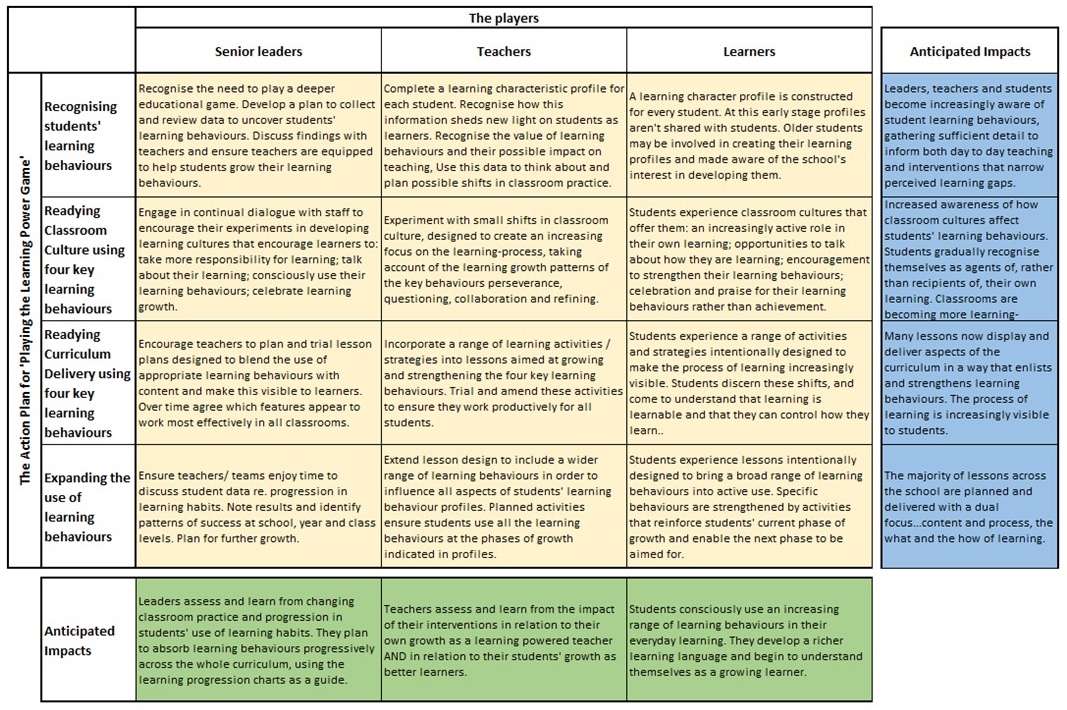
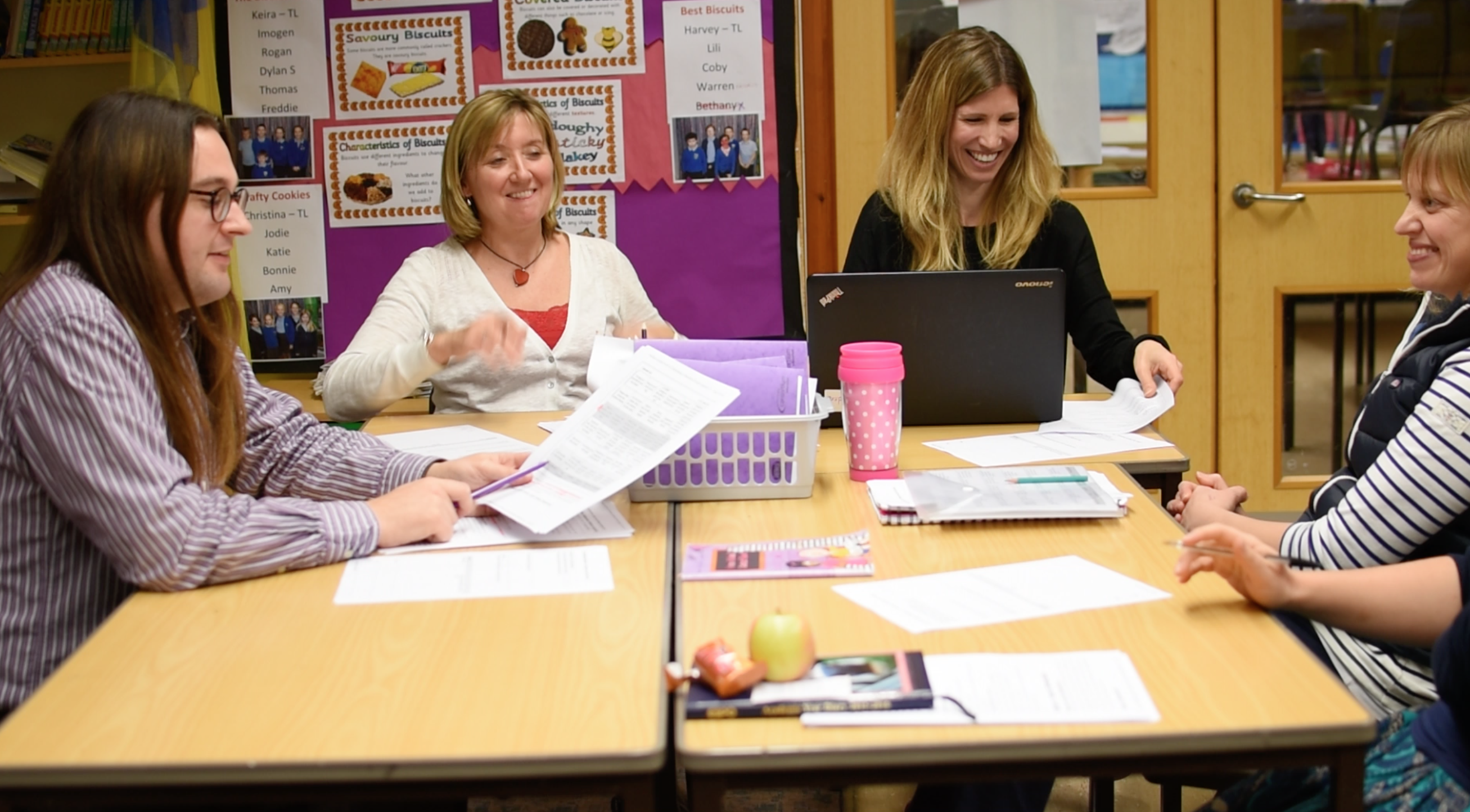
1.Build staff learning into the school’s meeting structures to
- discus and unpack the online information;
- plan how to make use of it in their classrooms;
- question and probe their classroom experiments.
Each module of the course has a team-session agenda
2. Talk with staff frequently about developments i.e. keep it alive and important
3 Monitor the development of learning cultures across the school using tools provided
6. How the programme goes deeper in years 2 and 3?
Why is it worth going further?
From playing to professionalising
Playing the Learning Power Game makes a start on making students ready and willing to engage more constructively with their learning.
The next step expands all their emotional, social, cognitive and strategic behaviours, and adds the all-important able.
Phase 2 goes broader and deeper by;
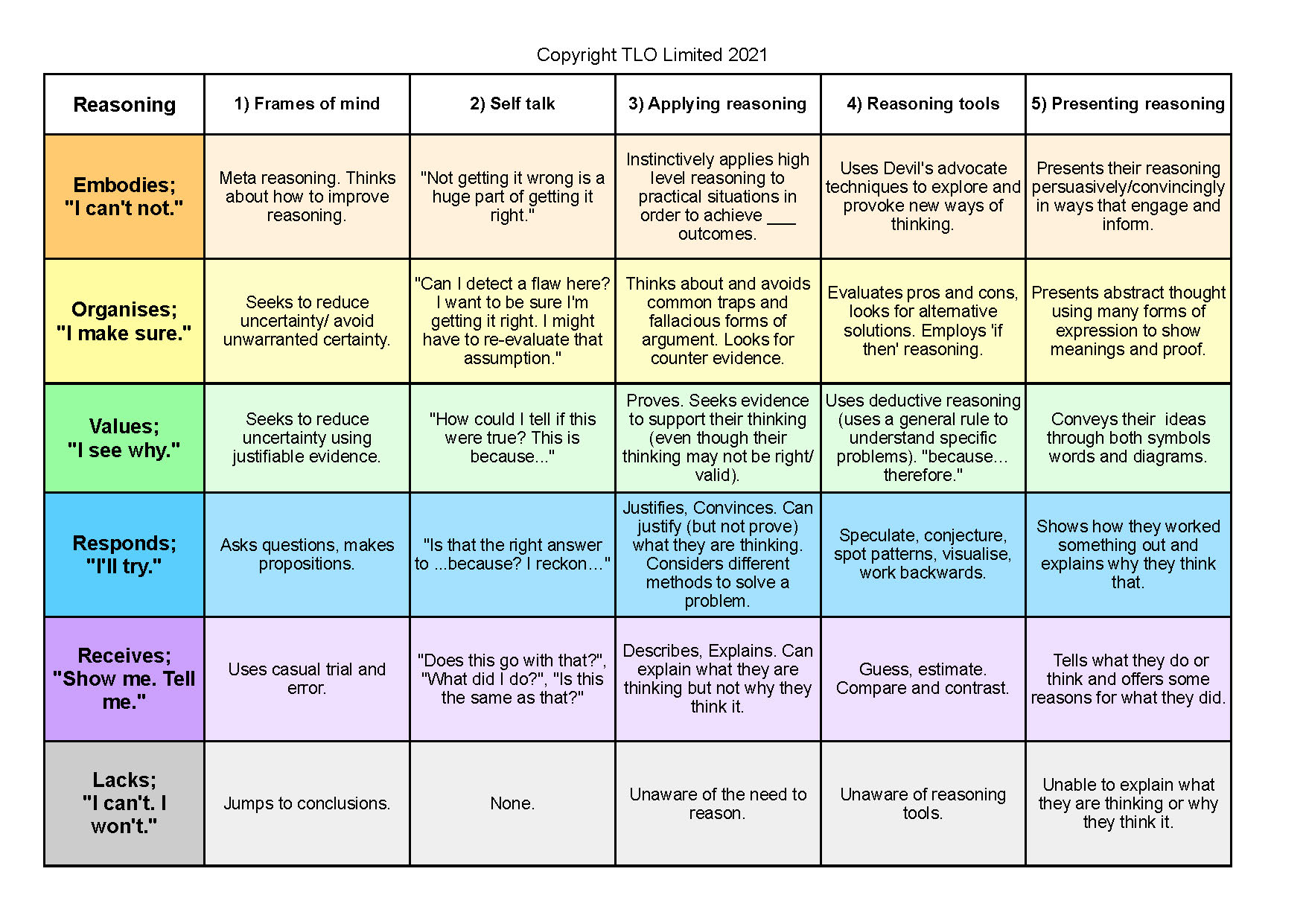
- providing richer and more extensive growth charts
- offering greater emphasis on curriculum and lesson development
Phase 2 is longer and more flexible
- consists of 12 online modules that help design dual focused lessons
- provide a deeper, richer look at learning… so that teachers
- gain a better sense of how to steer students growth as learners
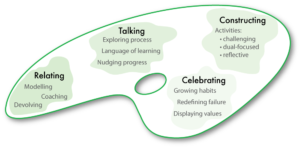
- use a richer language of learning effectively
- design a curriculum to promote growth in learning behaviours
- develop their confidence and skill as learning coaches.
Can be used in whatever way the school sees fit. The modules arm teachers with material to support their efforts to apply a more forensic approach to learning.
Comments are closed.