
Read more...
Building Learning Power puts at the heart of education the development of psychological characteristics that are judged to be of the highest value in young people growing up in a turbulent and increasingly complex world. There are two main parts to the approach:
![BLP_Brain_Generic_no-Rs-[Converted]](https://www.buildinglearningpower.com/wp-content/uploads/2016/12/BLP_Brain_Generic_no-Rs-Converted-300x216.png)
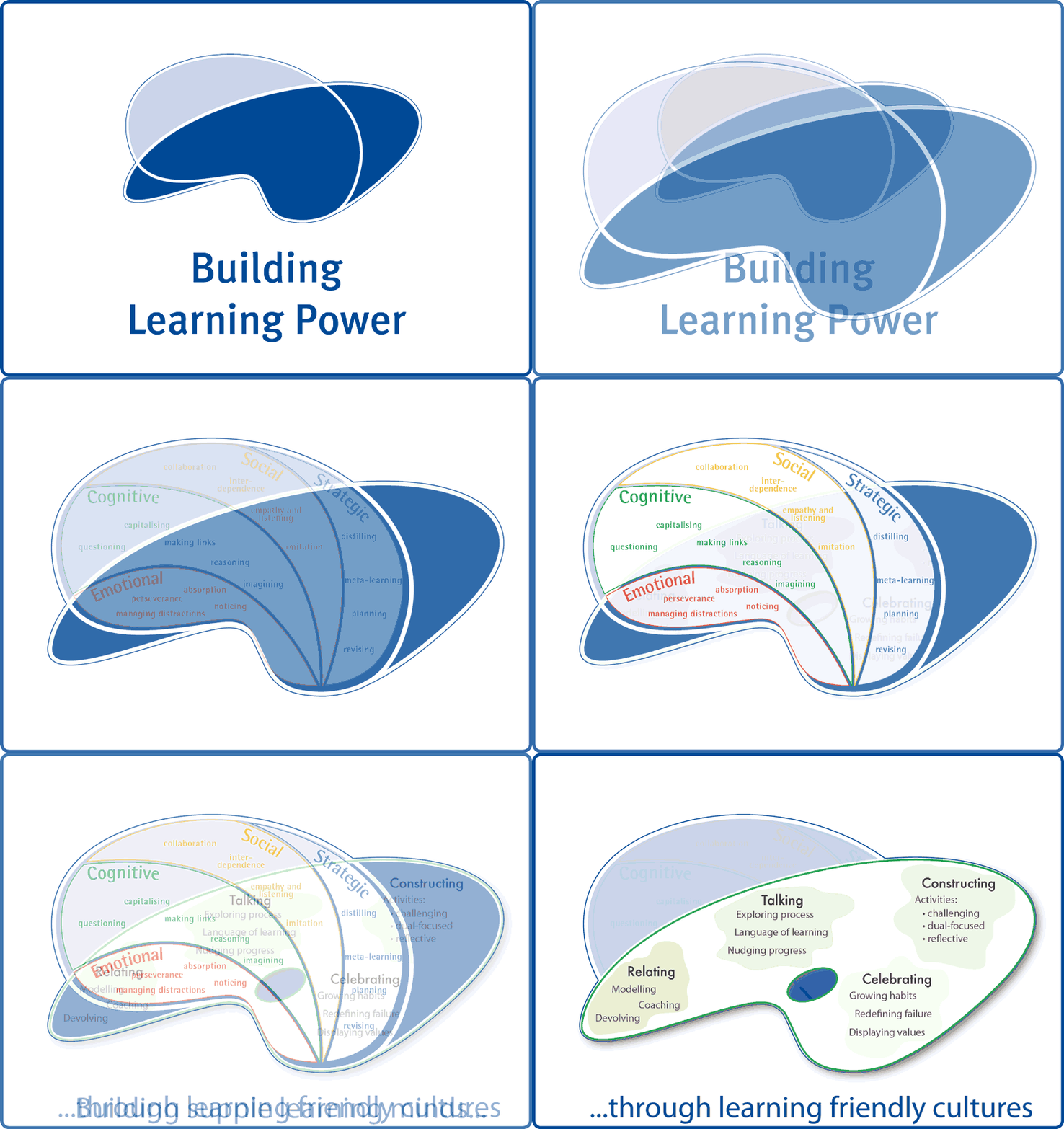
A: a model of a learner and learning, in terms of a set of characteristics that work together to make a person a highly capable learner; we use ‘learning power’ to describe the effect. [The Supple Learning Mind]
B: a view of the kind of pedagogy that will nurture and strengthen the learning characteristics in  young people. [The Teachers’ Palette]
These are bound together by the fundamental idea that ‘learning is a learnable craft’, and by explicit, detailed discussion of how learning works, supported by a rich repertoire of words and actions.
A. The Supple Learning Mind
![BLP_Brain_Generic_no-Rs-[Converted]](https://www.buildinglearningpower.com/wp-content/uploads/2016/12/BLP_Brain_Generic_no-Rs-Converted.png)
The Supple Learning Mind framework, originally conceived and researched by Professor Guy Claxton, reveals learning as a complex process that isn’t just about thinking and having a good memory; it includes how we feel, how we think, how we learn with and from others and how we manage the process of learning. It gives the beginnings of a learning language that helps teachers think about how learning behaviours enable students to grow as learners and tackle the curriculum more profitably.
B. The Teachers’ Palette
The Teachers’ Palette provides an overview of aspects of a learning-friendly culture that combine to create the seedbed for building powerful learners. It includes the types of teacher actions that create the conditions necessary for such learning to become habituated – how teachers relate to students, the language they use, the types of tasks they design, and the things they celebrate and value; their teaching mindset.
The Supple Learning Mind framework of high value learning behaviours
… captures each of the domains of learning:
- The Emotional domain of learning (feelings) in order to build Resilience.
- The Cognitive domain of learning (thinking) in order to build Resourcefulness.
- The Social domain of learning (relating) in order to build Reciprocity.
- The Strategic domain of learning (managing learning) in order to build Reflectiveness.
The Teachers’ Palette
Learning-friendly cultures systematically cultivate habits and attitudes that enable young people to face difficulty calmly, confidently and creatively. This often means moving the focus from what teachers do to a focus on what learners do. Moving from a focus on product and performance to a focus on the process of learning. It’s a gradual, sometimes difficult, but hugely worthwhile process of culture change by schools and habit change by teachers.
‘Culture’ concerns the details of the micro-climate that teachers create in their classrooms. What they do and say, what they notice and commend and what they don’t, what kind of role model of a learner they offer: all these are of the essence. And what really matters is how they design and present activities so that, over the course of a term or a year, their students are cumulatively getting a really good all-round mental work-out. All the learning bits of their brains are being stretched and strengthened, one by one and all together.
For learners it’s a place where their role changes from receptivity to activity:
For teachers it’s a place where their role changes from ‘delivering’ learning to students, to the creation of situations in which students learn. Relationships change from adversaries to collaborators:
This general philosophy is not new of course. There have long been many advocates for learning where students are more active and engaged. But because learning-centred teachers have a particularly rich conception of learning and the habits that underpin it, they are able to design nudges and activities that target quite specific aspects of learning behaviours. Teaching for learning becomes more detailed and forensic.
Learning cultures. Where are we now?
Find out about learning cultures
Learning cultures. Where are we now ? Unpick the meaning of classroom cultures, what they might consist of and the big shifts that may be needed to develop better learning. Use the culture tool to estimate where your classroom cultures are now.
Building Learning Power is about creating a culture in classrooms – and in the school more widely – that systematically cultivates habits and attitudes that enable young people to face difficulty calmly, confidently and creatively. By a ‘culture’ we mean all the little habits, routines and practices that implicitly convey ‘what we believe and value round here’. Classrooms are the places where, hour by hour, students experience the values and practices that are embodied in the school, rather than just the ones that are espoused.
So what does a culture shift mean? What sort of classroom cultures are there and which one do we need if students are going to understand and improve themselves as learners?
Moving towards a culture that is ripe for students to learn about learning can take a while. Research undertaken by Chris Watkins, at the London Institute of Education, suggests three different types of classroom culture.
As you read on, think of these descriptions as stages in a journey you may need to travel.
Teacher centred classrooms
Firstly, many classrooms could be thought of as teacher centred. Here the overriding emphasis is on what the teacher is doing or saying. Learners have little to do but listen and be told what to do. In these classrooms students can see themselves as isolated, passive and dependent on the teacher for the acquisition of knowledge. The teacher and teaching are dominant. Students have what’s been called a ‘thin’ description of their own learning and they have an impoverished view of their own role in learning.
Highly teacher-centred classrooms don’t provide the fertile ground in which students are able to develop as better learners. Before students can begin to develop their learning behaviours it may be necessary to address some teaching behaviours first, so that teachers allow learning to become more active, less passive, more collaborative, less solitary, more learner-led, less teacher-directed.
Learner centred classrooms
The learner centred classroom is where students take a more active part in deciding what to do. The purpose is seen as the learner making meaning for themselves. So ‘content’ is not just stuff to be taught but for connecting to previous knowledge, extending understanding and helping learners to see things in new ways. Here there will be more collaborative learning where students have dialogues about what they are learning and create meaning together. There will also be more learner-driven learning where learners might have a role in the agenda through questioning or organising an enquiry and evaluating the products.
It is into classrooms like this that Building Learning Power can readily take root, helping the classroom to become a learning centred culture.
Learning centred classrooms
It’s only when the above dimensions are present to some extent that it becomes realistic to add another – that of learning about learning itself. Learners collaborating, taking a role in learning, using questions to drive learning and so forth give a firm platform on which to build powerful learners. Now we can add a language about learning for students and teachers alike, and practise meta-learning.(meta-cognition) Through such practices students come to see themselves as learners, develop stories about their experiences, understand the learning behaviours they are using and develop and propose improvements. They are able, consciously, to grow their learning habits.
Culture Tool 1
Read about three learning cultures
The image above offers some broad descriptors of the learning cultures just described. The gap between teacher and learning centred cultures is considerable. To move from a teacher focused to a learning focused culture requires learners to become increasingly more active and collaborative. If you try and add learning-centred (BLP) ideas to teacher focused regimes the change won’t stick and indeed could backfire and be detrimental. Where are your classroom cultures now?
- Spend a little time thinking about the classroom cultures across the school against the indicators.
- Where, broadly, would you say classroom cultures across the school are currently?
- Highlight the indicators that best describe the classroom cultures now. NB. There will probably be a mixture of teacher and learner focused features.
So where is the school’s classroom culture just now?
Consider your estimates across the 3 ‘panels’ of the Culture Tool.
- Which panel best describes the majority of classrooms in your school ?
- How wide is the in-school variation ?
- Estimate the proportion of classrooms that are predominantly teacher focused – it is this estimate that should indicate the school’s best approach to developing practice and accessing the most suitable online materials
Make a note of…

- Classrooms that you think are already learner focused.
Culture Tool 2
Go a bit deeper into culture
Learning friendly cultures; Lots of little shifts. Find out about the four main dimensions of culture and use the Culture Tool 2 check whether your first estimate was right and then consider the sorts of shift your school’s classroom culture would benefit from.
What shifts?
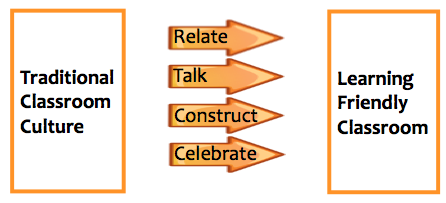
Moving to more learning-friendly cultures takes lots of little shifts in thinking and action. To establish learning-friendliness it’s useful to think about four types of shift. A shift in relationships, a shift in the language, a shift in how learning is constructed and a shift in what is celebrated – what is seen to matter:
Why shift?
The more structured we make the environment the more structure the students need.
The more we decide for students the more they expect us to decide.
The more motivation we provide the less they find within themselves.
The more responsibility for learning we try to assume the less they accept on their own.
The more control we exert the more restive their response.
Weimar 2002.
Relating for learning: the changing roles and responsibilities of teachers and learners, where learning becomes a shared responsibility. Students are given more responsibility for their own learning, the role of the teacher changes from ‘the sage on the stage’ to ‘the guide by your side’; the role of the student moves from ‘passenger’ to ‘crew’ and ultimately ‘pilots of their own learning’.
Talking for learning: the sort of language content and style to enhance learning, making learning the object of conversation. The way we express ourselves in the classroom creates a powerful linguistic environment that teaches young people the best of what we know about learning. The language of learning helps students to discuss, understand, and become conscious of using their learning behaviours.
Constructing learning: activities and classroom routines feed learning habits and learning becomes the object of learning. Challenging learning activities are designed to enable students to understand both the content and the process of learning. They do this by having a dual focus – to explore content and stretch students’ use of their learning behaviours. There is a strong underpinning of not just ‘doing’ learning but reviewing and reflecting on the process in order to make meaning and apply it elsewhere (transfer).
The teacher’s role becomes one of surfacing learning; to make the learning process itself public; to train some of the tricky bits; to talk about it; to recognise and celebrate it as it happens; to nudge it along, assisting students to grow their learning capacities; and to design activity to stretch a wide range of learning habits. This uncovering of learning ensures students discover, use, understand and grow their learning habits. There is a shift in emphasis from performance to learning, from content to process, from teaching to coaching
- Look at Culture tool 2 in relation to classrooms and teachers across the school.
- Ring the statements that describe aspects of the culture that you think are, in general, secure.
- Underline in red those statements that would most benefit your students now.
- Discuss your analysis with a colleague. Where are the agreements and disagreements?
Lochinver Learning Language
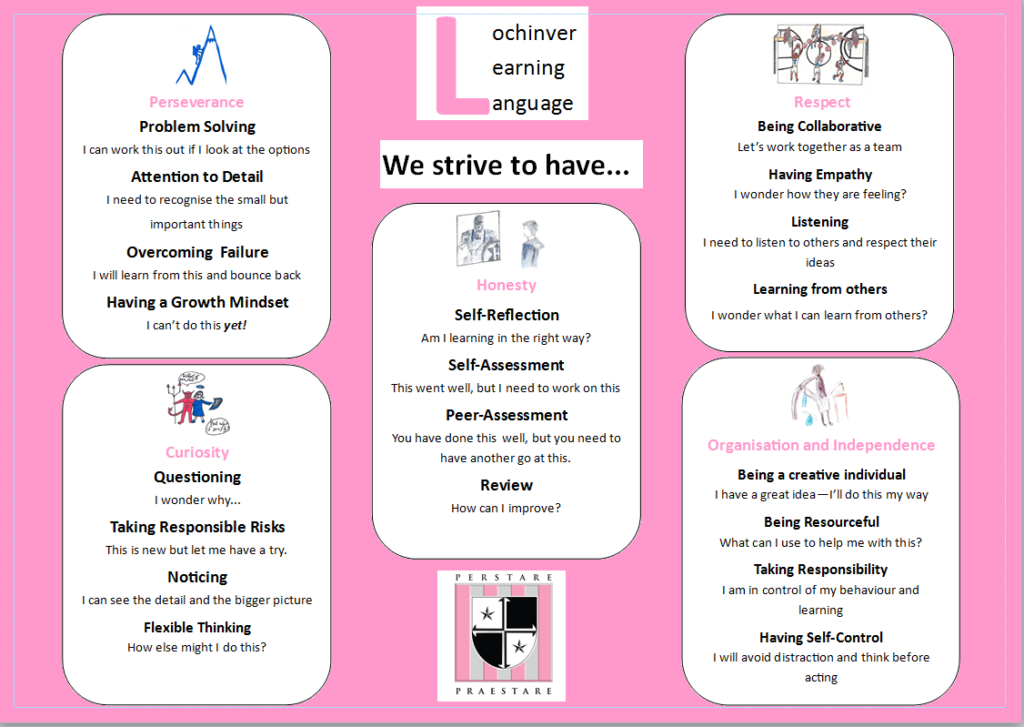
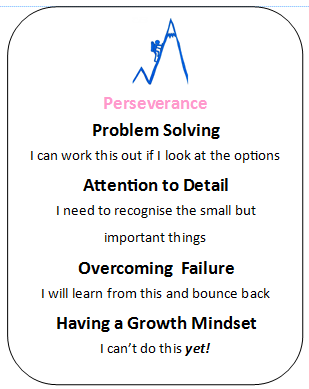
Perseverance, Getting unstuck, Rising to challenge, Managing distraction, Achieving goals
Questioning, Noticing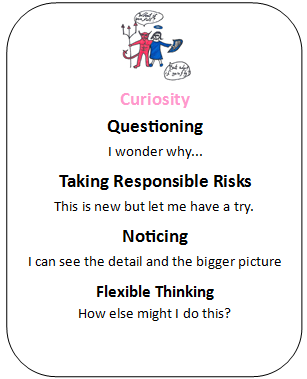

Revising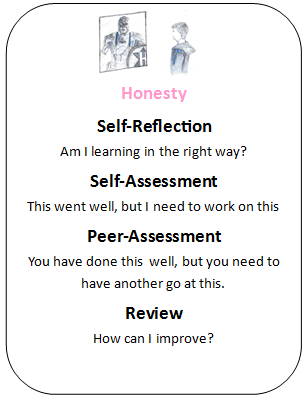

Collaboration, Listening.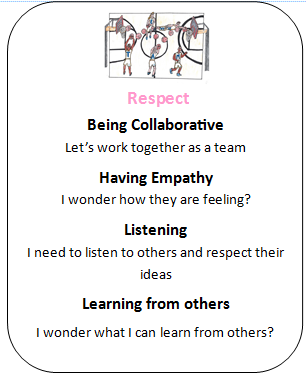

Meta-learning ( meta-cognition), Planning.
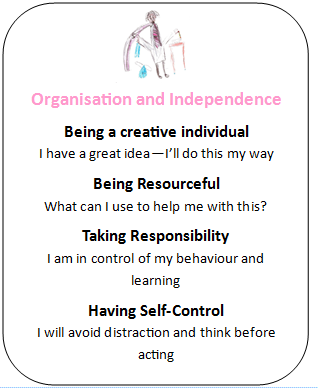
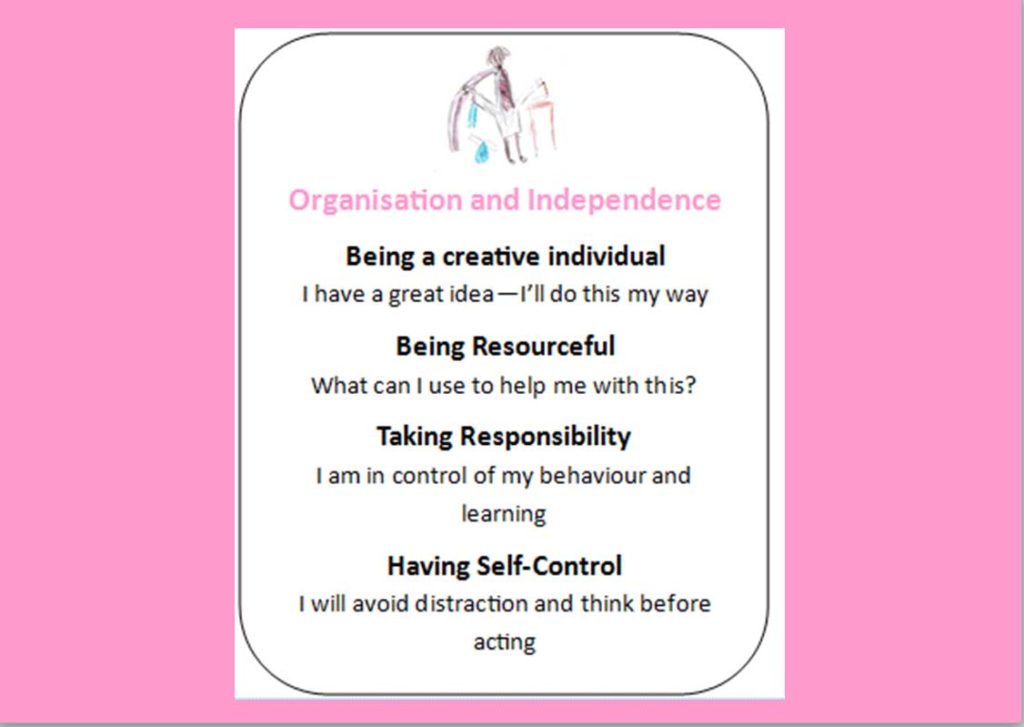
Find out organisation and independence
What is this cluster of ideas all about? Link to meta-learning and planning
The London Game
 Do you want your students to be able to plan a series of events and revise what they have done on the basis of changing circumstances ?
All the materials you need are below.
Coaching Notes Learning Challenge DIY Resource Rating Wheel ResourceChoose from:
- Build in ‘wait time’ in Q&A sessions to give students time to think about your question before offering a response. The underlying message is that good answers take time to come up with and that the quick fire, knee-jerk response needs consideration. It promotes reflection and consideration over instant recall and reminds students that learning requires time and effort.
- Encourage students to identify the cause of their stuckness. Move pupils from saying “I’m stuck” to ” I’m stuck because…” Naming the problem will often suggest a reasonable next step.
- If pupils freeze when they are stuck, offer supportive questions not answers. ‘What do you do next?’, and when this has been done ask the question again. Such ‘support to continue’ prompts are seen as helpful by pupils. You are encouraging them to take over the job themselves and reminding them that uncertainty shouldn’t lead to paralysis. The advantage of asking questions over telling is that you are in a better position to monitor how pupils are learning when they are doing the explaining. Ask pupils how they might check their answers or why they think they are right or wrong. Have them work with each other on this to encourage a learning community rather than just teacher-pupil dialogues.
To encourage Self-Regulation, make all aspects of F.E.E.D.B.A.C.K a regular feature of your classroom:
F ormative feedback on a regular basis.
E xperiences that promote a Gradual Release of Responsibility to Students.
E ngagement in Inquiry Based Learning
D edicated times for students to engage in self-reflection
B uddy learning opportunities where students learn to give feedback to a buddy.
A ccess to other experts and learners to engage in the learning process
C reation of their own feedback through structured self-assessment
K nowledge creating activities that are built with effective feedback mechanisms
Learning Mats
Learning mats are tools to encourage students to become more self-aware of how they are using a learning habit. Basically, they are A3 or A4 laminated sheets that show various aspects of a learning habit. They are kept on tables or used as part of wall display. Students refer to them during lessons, using them as prompts about the finer aspects of a learning habit that is being stretched. They help students to be able to join in meta-cognitive talk
Students often enjoy making their own learning mats describing the particular skills they are working on.
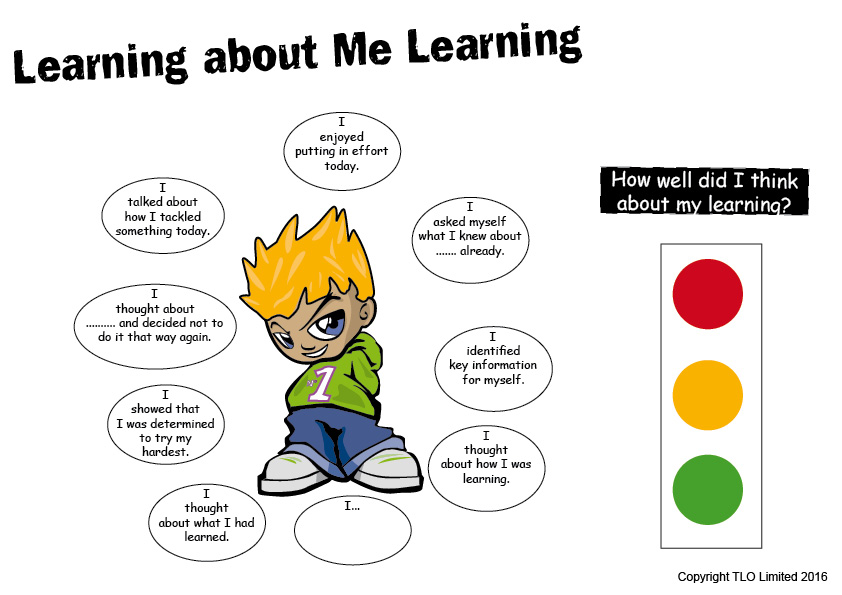
Learning-about-Me-Learning-Meta-learning.pdf
Using Learning Mats
You could also use Learning Mats (in ‘teacher speak’ or ‘student speak):
- To raise awareness of the habit
- To spread the school’s common language for learning
- As an aide-memoire for students and teachers
- As a self-assessment support for students
- As an audit tool to support teacher planning. i.e. which of the Me-learning skills are implied in the lesson plan and therefore how will they be surfaced in what you draw attention to/orchestrate the lesson.
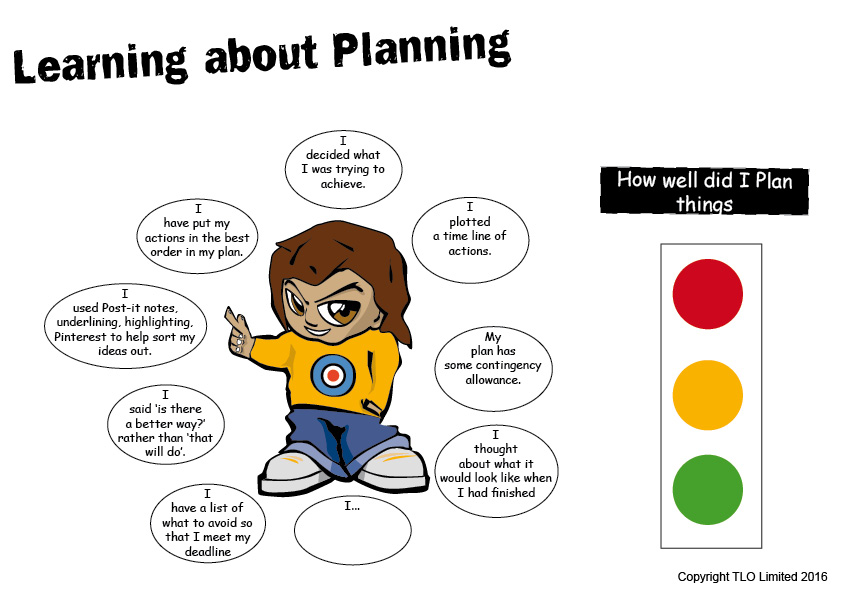
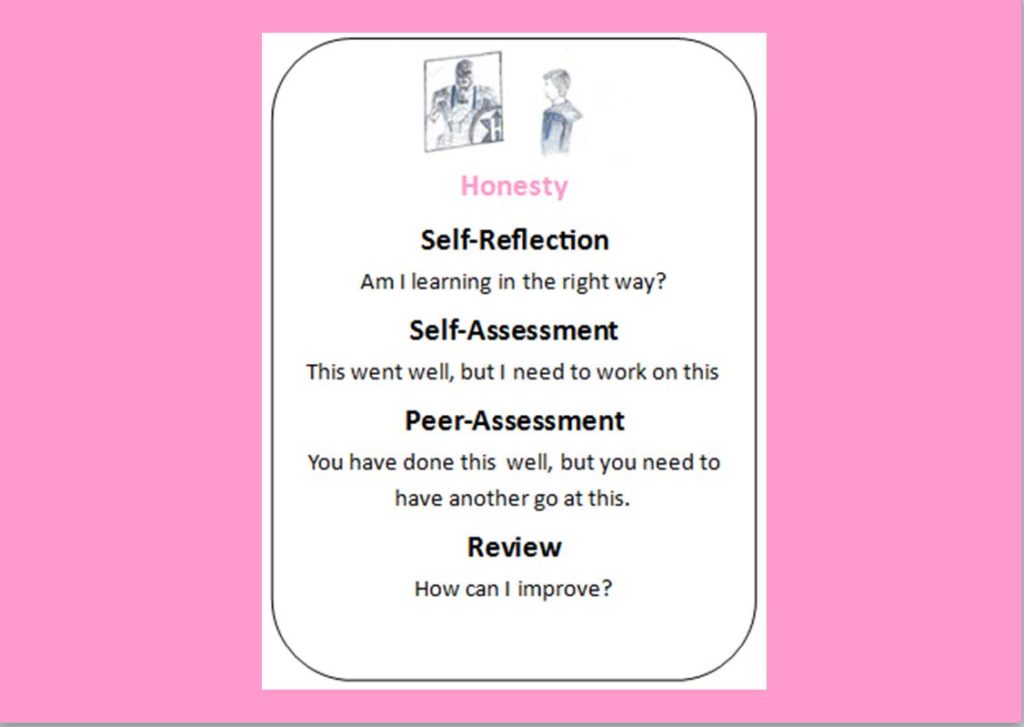
Try these ideas for turning ‘minded to value revising’ into reality.
Monitoring checklists
Construct checklists with students itemising the important things to check before they consider something is finished. Here’s just one example.
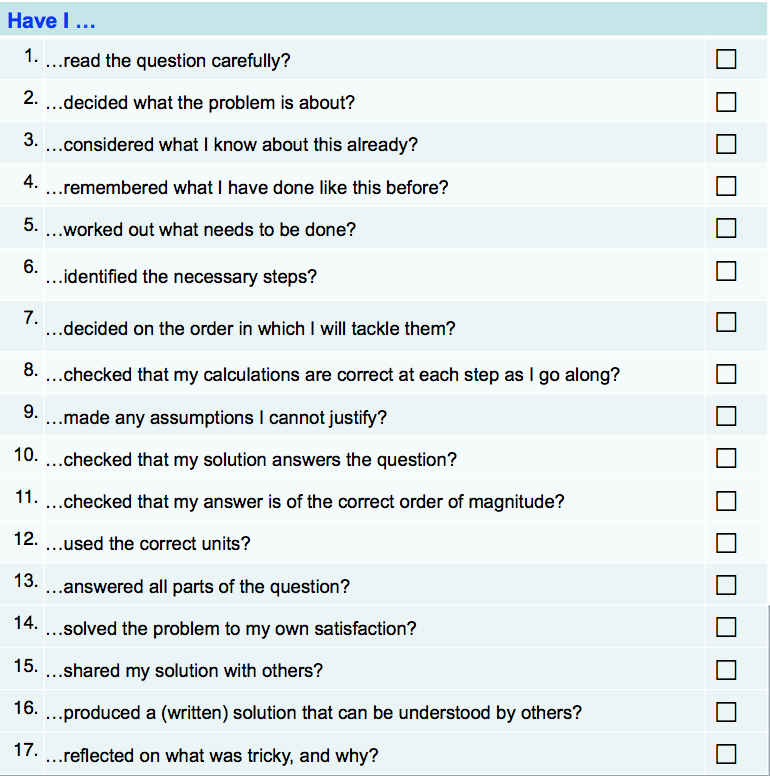
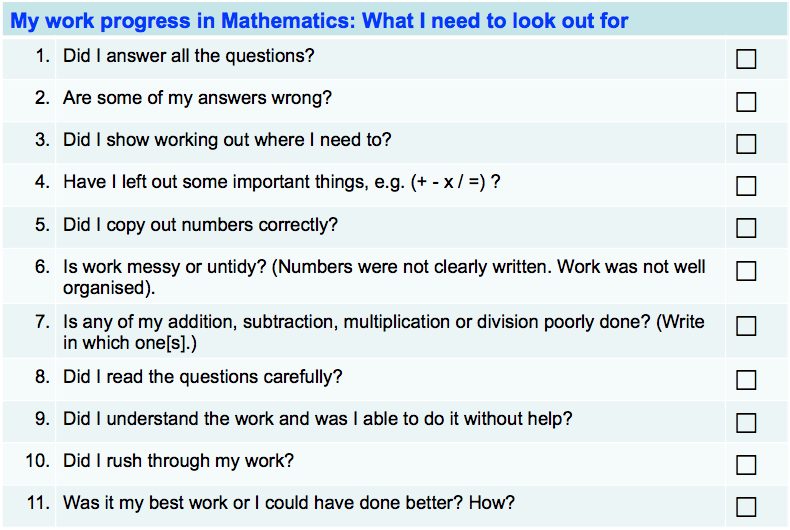
I used to think . . . . ., Now I think . . . ,
This routine helps students to reflect on how and why their thinking/understanding is changing:
- Remind students of the topic you have been working on.
- Ask them to respond to each of the sentence stems: I used to think…, Now, I think…
Alternatively ask students to write down their views at the beginning of a topic. Invite them to revisit & update their answer during and at the end in light of what has been learned.
Or, at the beginning of a lesson ask students to write down what they understand by a particular term that will be explored in the coming lesson (e.g. Phrase (English); Proof (Maths); Power (Science) etc). At the end of the lesson ask them to write down what they now understand by the term.
Learning Mats
Learning mats are tools to encourage pupils to become more self-aware of how they are using a learning habit. Basically, they are A3 or A4 laminated sheets that are kept on tables or used as part of wall display. They show various aspects of a learning habit and students refer to them during lessons, using them as prompts about the finer aspects of a learning habit that is being stretched. They help students to be able to join in meta-cognitive talk
As pupils become more proficient at revising the statements could be upgraded to reflect later phases of the progression grid. Pupils often enjoy making their own learning mats describing the particular skills they are working on.
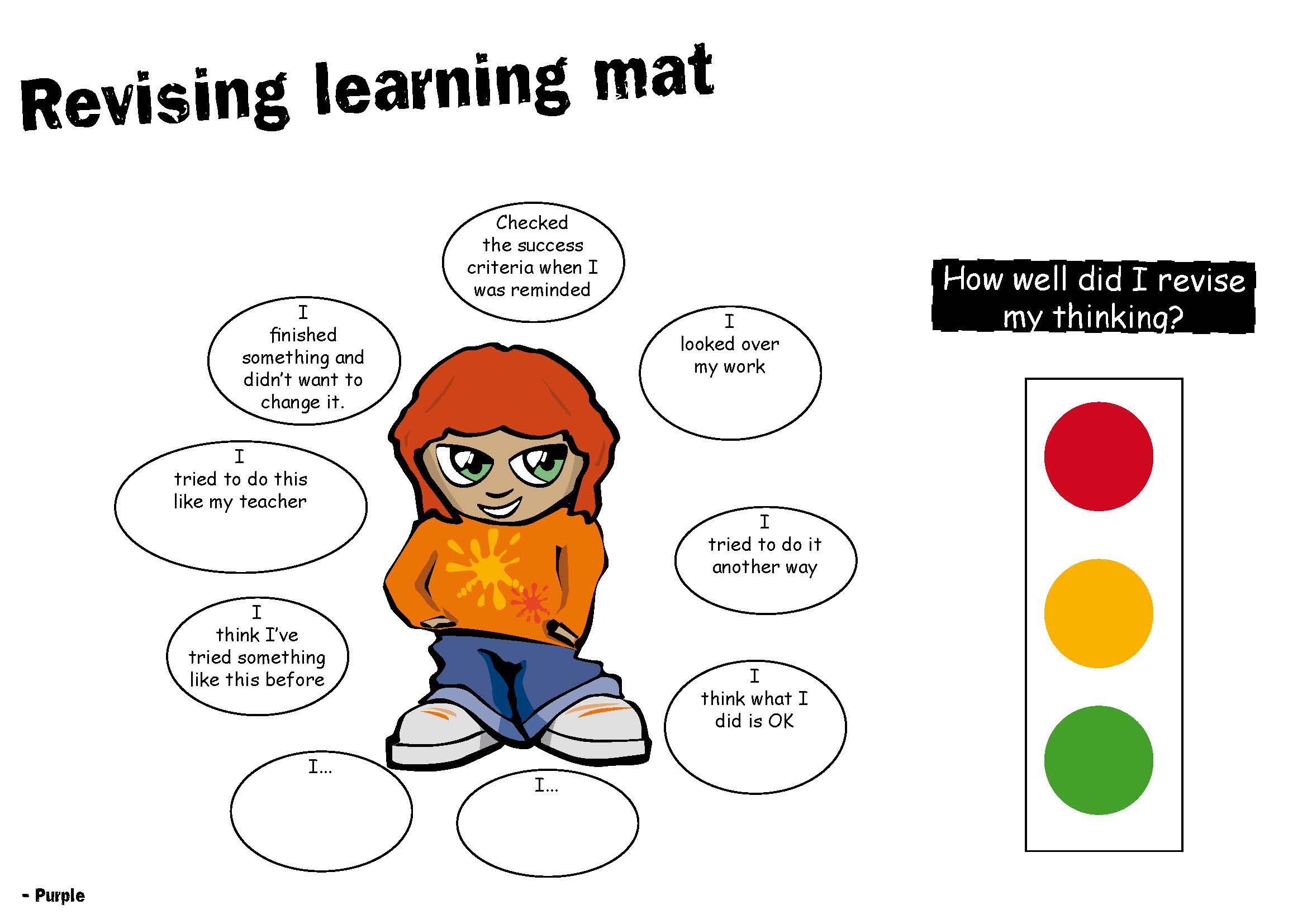
Revising – Learning Mats – purple (PDF)
Using Learning Mats
You could also use Learning Mats (in ‘teacher speak’ or ‘student speak):
- To raise awareness of the habit
- To spread the school’s common language for learning
- As an aide-memoire for students and teachers
- As a self-assessment support for students
- As an audit tool to support teacher planning. i.e. which of the skills are implied in the lesson plan and therefore how will they be surfaced in what you draw attention to/orchestrate in the lesson.
Engage students in purposeful revising (and noticing) (Austin’s butterfly)
Just watch, be amazed and try similar approaches with students.
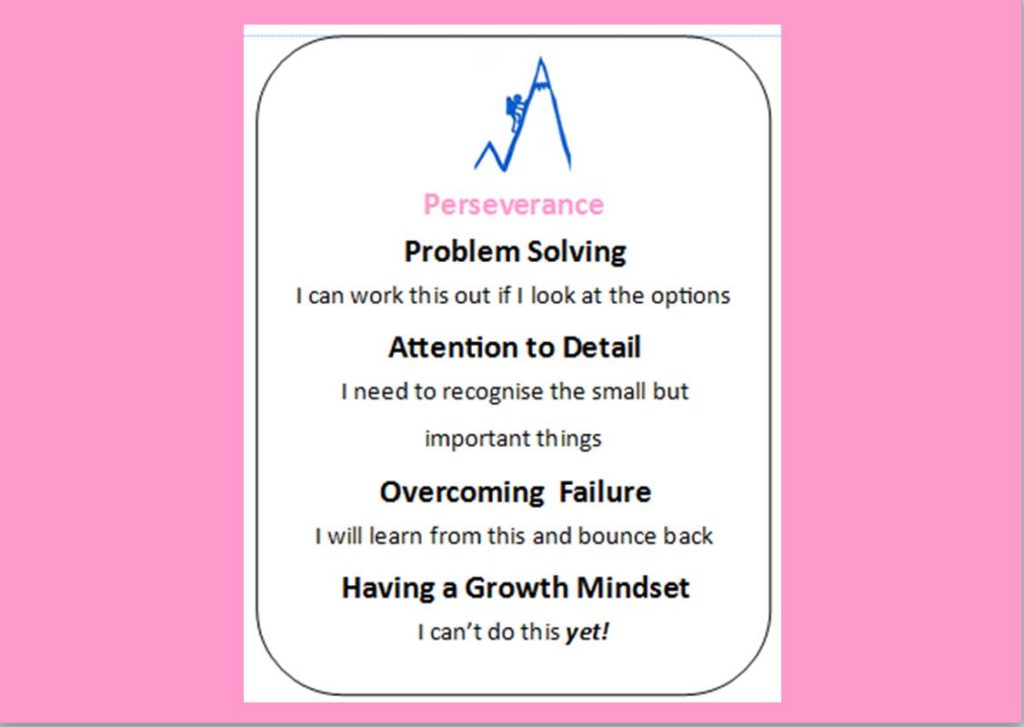

Engage students in unsticking their learning

Engage students in rising to challenge
- Model the Visible Thinking Routine….What do I know? What do I need to know? What techniques do I have for bridging the gap? This helps students to develop their own internal dialogue for combating stuck-ness.
Learning Mats
Learning mats are tools to encourage students to become more self-aware of how they are using a learning habit. Basically, they are A3 or A4 laminated sheets that show various aspects of a learning habit. They are kept on tables or used as part of wall display. Students refer to them during lessons, using them as prompts about the finer aspects of a learning habit that is being stretched. They help students to be able to join in meta-cognitive talk
As students become more proficient at understanding themselves as learners the statements could be upgraded to reflect later phases of the progression grid. Students often enjoy making their own learning mats describing the particular skills they are working on.
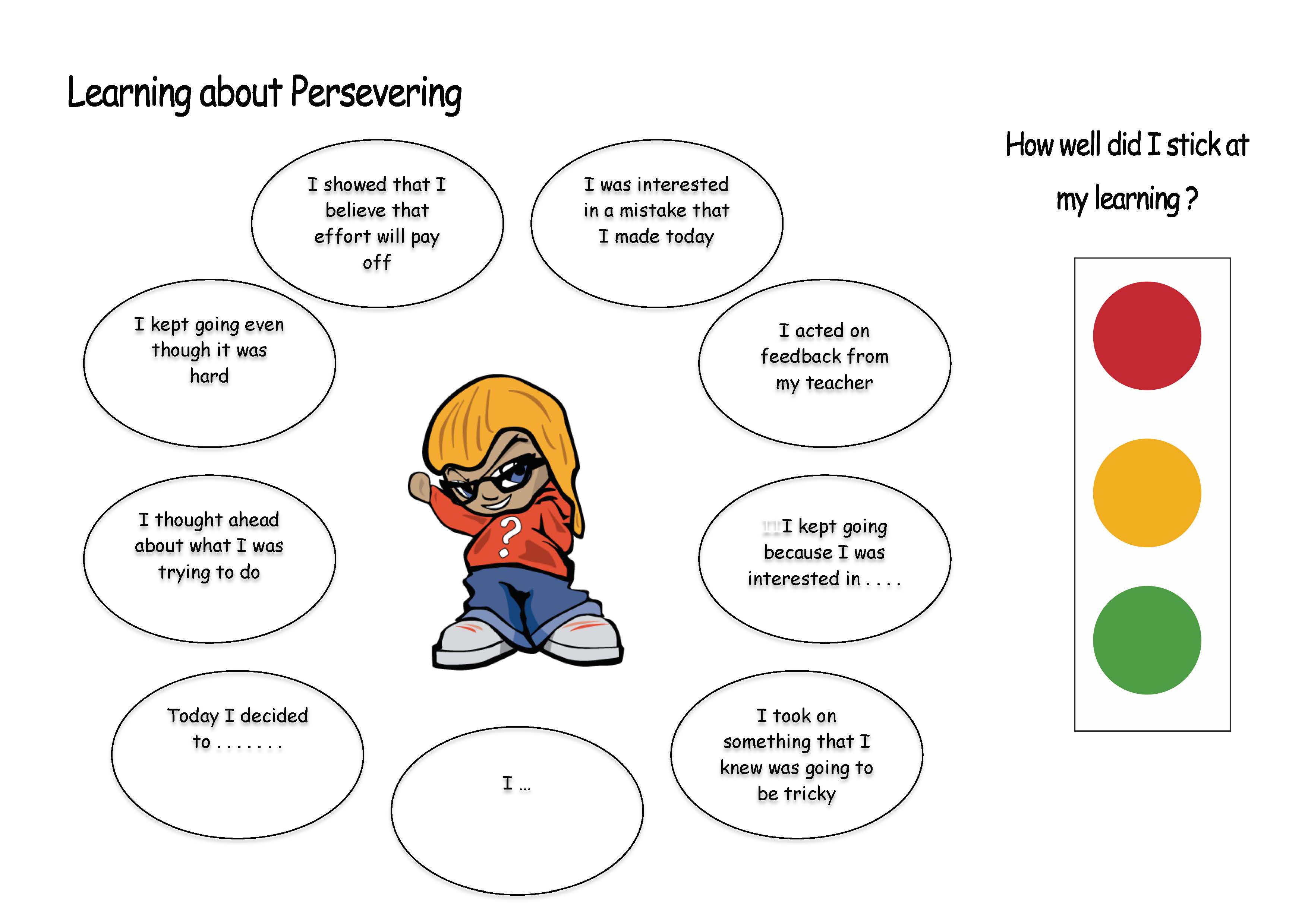
Download as a Word document Download as a PDF

Activity 2: Does my classroom climate encourage students to ask questions?
Classroom culture is all-important in building pupils’ learning power. It’s about roles and relationships in the classroom, how learning is organised, the vocabulary of learning, and what gets celebrated. A classroom climate that supports and nourishes the inclination for students to frame their own questions is characterised by enquiry mindedness and confident uncertainty. This includes a healthy sceptical curiosity about all things and the enjoyment of ‘not knowing’ that lead students to pursue their own lines of enquiry.
To build a friendly learner-questioning culture teachers will need to believe that:
- Questioning with curiosity is what drives learning
- Pupils need to become skilled questioners as part of becoming independent learners
- Innate curiosity is fragile, needing to be nurtured, supported and stretched
- Pupils’ questions are windows into their understanding
And from a question friendly environment learners come to believe:
- Asking questions doesn’t make me look stupid
- Asking questions shows that I’m learning
- I need to find things out for myself
- It’s okay to ask when I don’t know / am not sure
- I like to ask questions to make sure that I can believe what I am being told.
Get a feel for the questioning culture of your classroom. How might it be working for or against developing pupils questioning habits.
Look through the ideas carefully and consider whether you already use some, and whether any appeal to you to try.
Build a three-level questioning habit (ages 4-10)

‘ReQuest’ is a structured process for deepening questions. For example, start with the painting The Arnolfini Wedding by Jan van Eyck:
- On-the-line questions: ask questions about the picture for which the answers can be seen just by looking closely at the picture: ‘How many candles are there?’ ‘What kind of room is it?’ ‘What is on the wall behind the people?’
- Between-the-lines questions: questions whose answers can be inferred by looking at the picture: E.g. ‘What is the relationship between the two people?’ ‘How long ago was the picture painted?’ ‘What time of day is it?’
- Beyond-the-line questions: questions whose answers need to be elicited by making interpretive links from the picture: E.g. ‘What did the artist think of his subjects?’ Is the number of candles significant?’ How does perspective work in the painting?’
Question sorts
Question sorts is a Visible Thinking Routine that helps students to identify powerful questions that are both generative (that take us somewhere) and genuine (that we care about). It begins with a standard question generator activity, but then requires students to agree where to place the questions on a grid in terms of how likely or unlikely they are to generate interesting lines of enquiry and how much or little they care about the answer to the question. For more detail on Question Sorts, visit the Visible Thinking website:
Learning Mats
Learning mats are tools to encourage students to become more self-aware of how they are using a learning habit. Basically, they are A3 or A4 laminated sheets that show various aspects of a learning habit. They are kept on tables or used as part of wall display. Students refer to them during lessons, using them as prompts about the finer aspects of a learning habit that is being stretched. They help students to be able to join in meta-cognitive talk
As students become more proficient at understanding themselves as learners the statements could be upgraded to reflect later phases of the progression grid. Students often enjoy making their own learning mats describing the particular skills they are working on.
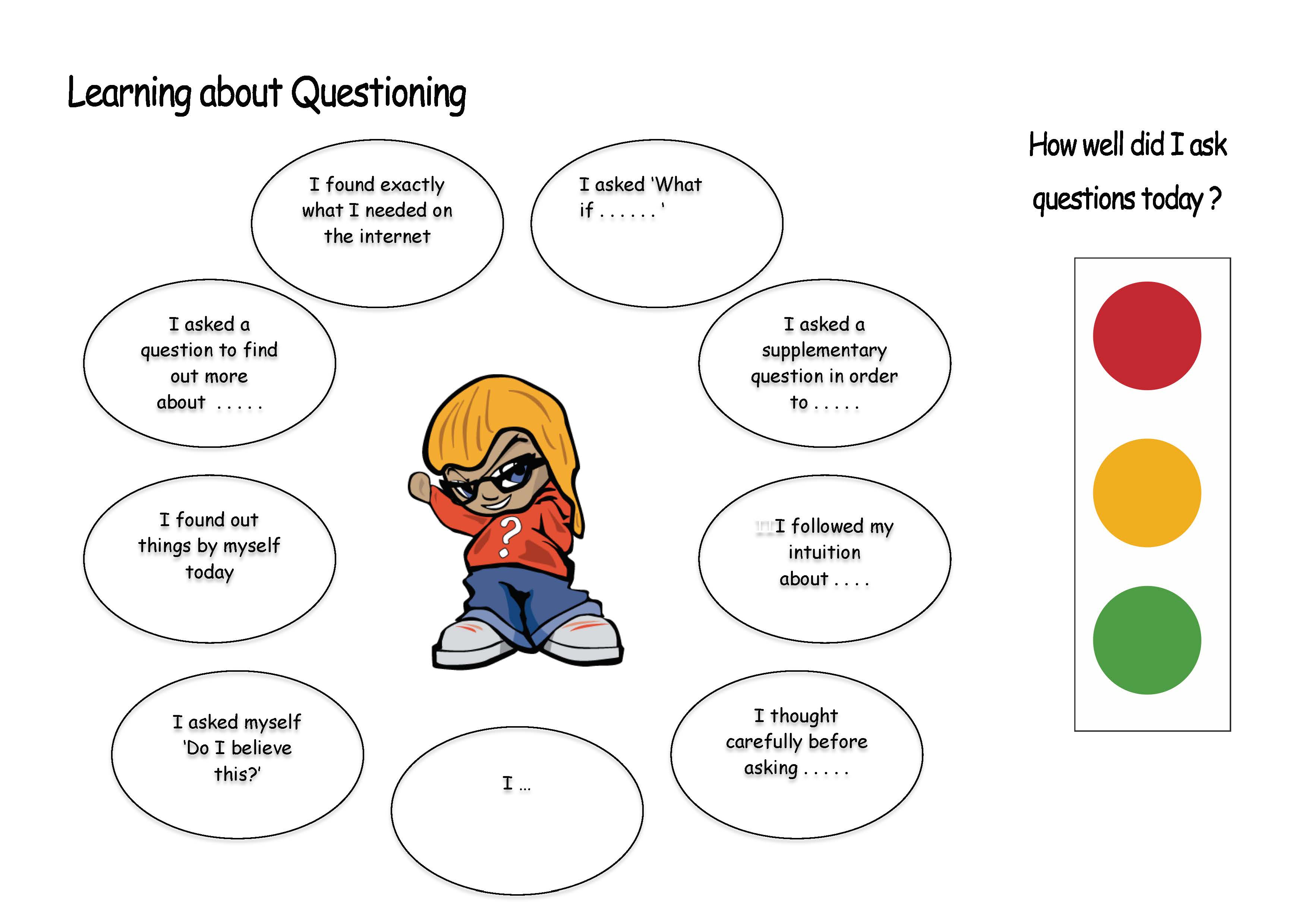
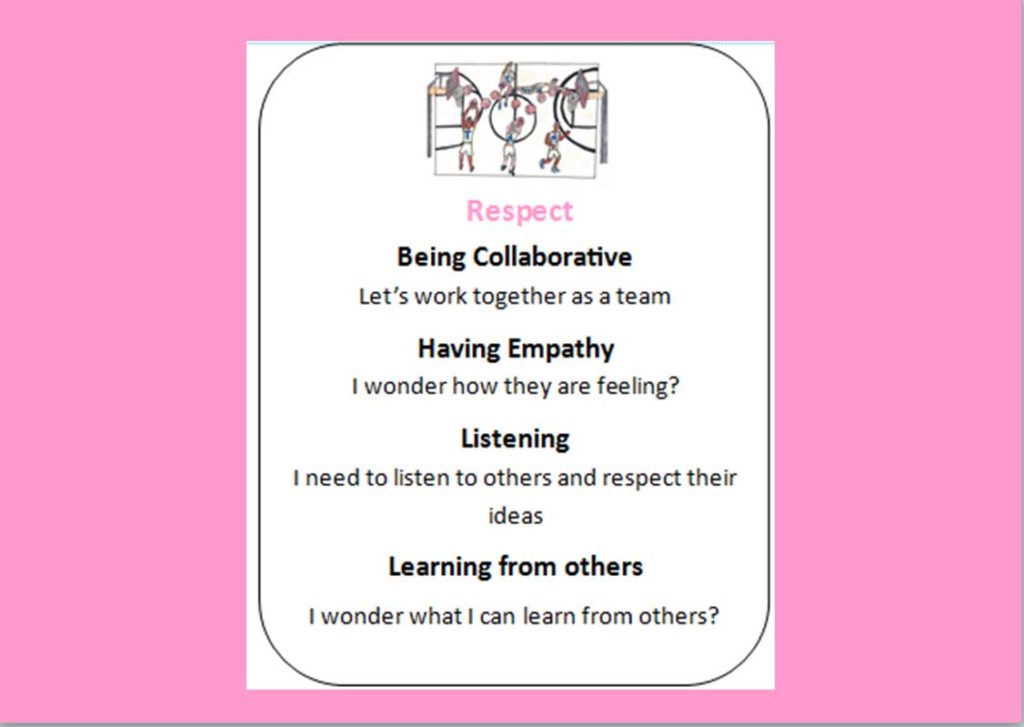
Activity 2: Does my classroom climate encourage Collaboration?
Classroom culture is all important in building pupils’ learning power. It’s about roles and relationships in the classroom, how learning is organised, the vocabulary of learning, and what gets celebrated. A classroom climate that supports and nourishes the inclination to collaborate is characterised by: a culture that prizes trust and mutual respect; open ended, challenging activities that require pupils to work as a team not just in a team; a language of ‘we’, not ‘I’, and that the essence of team work is about working to an agreed goal. A classroom climate that supports and develops the ability to collaborate becomes a community of enquiry.
In order to develop a collaborative learning culture teachers need to believe that:
- Learning is building knowledge and understanding through doing things with others
- Learning with and through others is dependent on constructive dialogue and effective collaborative skills
- Teamwork needs to be purposeful and carefully structured
And through such a collaboration friendly culture students come to believe that:
- ‘I can trust my peers to help me to learn.’
- ‘I can contribute to the learning of my peers.’
Get a feel for your classroom culture and how this may be working for, or against building students’ willingness and ability to learn with and from others.
Look through the ideas carefully and consider whether you already use some and whether any appeal to you to try.
Building on others’ ideas (KS2/3+)

Prepare the way for pupils to build on the ideas of others when working in a group by making ‘ABC’ a routine that you use during whole-class teaching. Once a pupil has answered a question, ask another pupil to Add to it, to Build on it, to Challenge it, to Defend it, to Elaborate on it, or to Find a Flaw in it. As easy as ABC ! This improves pupils’ listening skills at the same time !
Establish a routine and some ground rules
_1.jpg)
Agree with your class a routine to be followed when conflict arises, and ground rules for how students should behave. This could form the basis of a display to help students to remember what they have signed up to do.
You might end up with a variation on . . . .
- STOP Don’t let the conflict get worse.
- SAY What the conflict is about.
- SAY What each of us want.
- THINK of positive things we could do.
- CHOOSE a positive option that both of us can agree on.
- ASK someone for help if we can’t agree
Ground Rules
- Listen to each other, try to understand how they feel
- Take turns, don’t interrupt
- Say how you feel and be truthful
- Brains, not hands
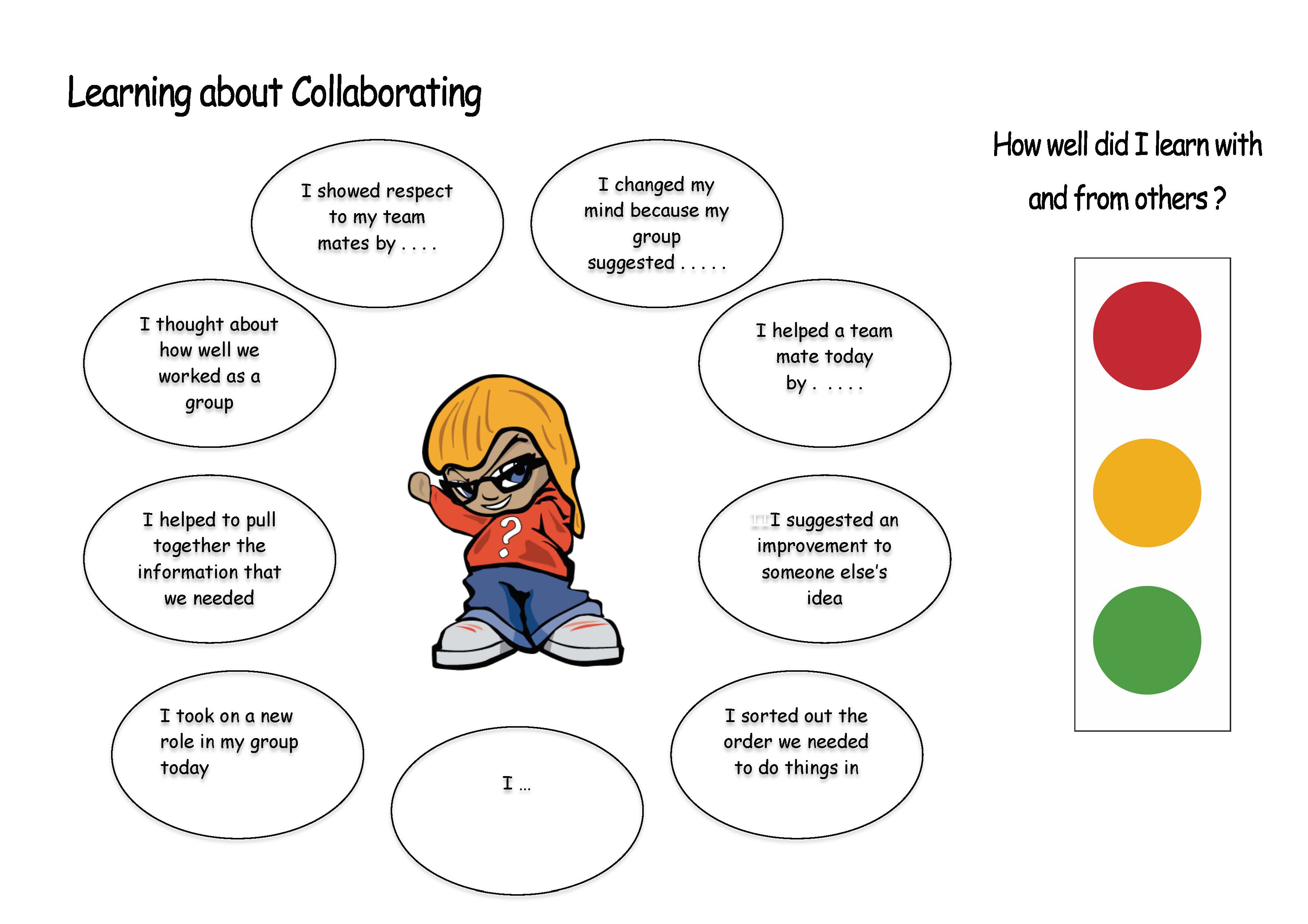
Learning Mats
Learning mats are tools to encourage students to become more self-aware of how they are using a learning habit. Basically, they are A3 or A4 laminated sheets that show various aspects of a learning habit. They are kept on tables or used as part of wall display. Students refer to them during lessons, using them as prompts about the finer aspects of a learning habit that is being stretched. They help students to be able to join in meta-cognitive talk
As students become more proficient at understanding themselves as learners the statements could be upgraded to reflect later phases of the progression grid. Students often enjoy making their own learning mats describing the particular skills they are working on.
Comments are closed.