
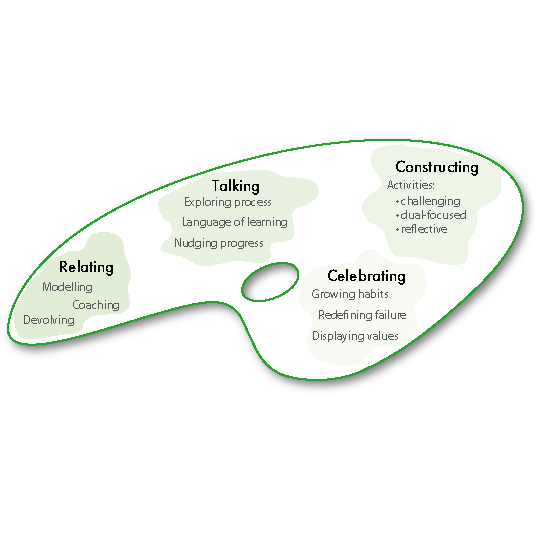
Building learning-friendly classroom cultures
This online session seeks to support teachers to explore and experiment with ideas that help to move their classroom culture to become increasingly learning-friendly.
It explores culture, how culture evolves from teacher centred to learning-friendly, and offers ideas to practise in the classroom to support the culture shift.
If, as a graduate, educator and lifelong learner you find this potentially too demanding, too dull, too long-winded, too likely to ask awkward questions about your classroom practice, go straight to section 2 where you will find a colouring-in activity. It should be right up your street and will eliminate any need for intellectual effort on your part.
For those not afflicted by the need for shallow and effort-free success at the expense of engagement, thought and reflection, read on. . . . .
I bet this bit does not avoid the red pen of revision !!!
This unit explores how you might build a learning-friendly classroom culture.
Sections 1 – 4 look at;
- Learning-friendly cultures and how they develop. The Learning Culture progression charts. Unpick the meaning of Learning-friendly classroom culture and how it develops over time.
- How learning-friendly is my classroom culture? A chance to reflect. Use the progression charts to plot where your classroom culture is now, and to consider how your learners perceive this culture.
- Growing a learning-friendly classroom culture. Classroom activities. Offers suggestions to develop a learning-friendly culture.
- Team reflection and planning. Share the impact of your experiments with colleagues and plan what you need to do next.
The resource materials in the Learning Diary: Learning-friendly classroom cultures helps you to distil important messages, home in on the key bits of information and design learning experiments specifically for you.
Click here to download your Learning Diary
Below stuff to update the learning diary.
The four dimensions of the learning friendly-classroom
1: Learning is a shared responsibility
You make it clear to pupils that their learning is their own responsibility. Learners relish and accept this responsibility, expecting to do things by and for themselves. Learning has become a shared endeavour, the classroom a community of enquiry.
For example, you:
- show yourself to be a lifelong learner and display confident uncertainty;
- resist the temptation to ‘teach’, intervening only when absolutely necessary;
- coach whenever possible;
- do less, as they do more;
- build learners’ coaching skills so that they can coach each other;
- offer choice over how, what, when and where to learn;
- place responsibility with the learner;
- learn alongside them in a community of enquiry.
2: Learning is audible and visible
You make it clear to pupils which learning habits and processes they are using. You try to make every aspect of the learning process as audible and visible as possible through the language you use and through the words and images you display on the walls.
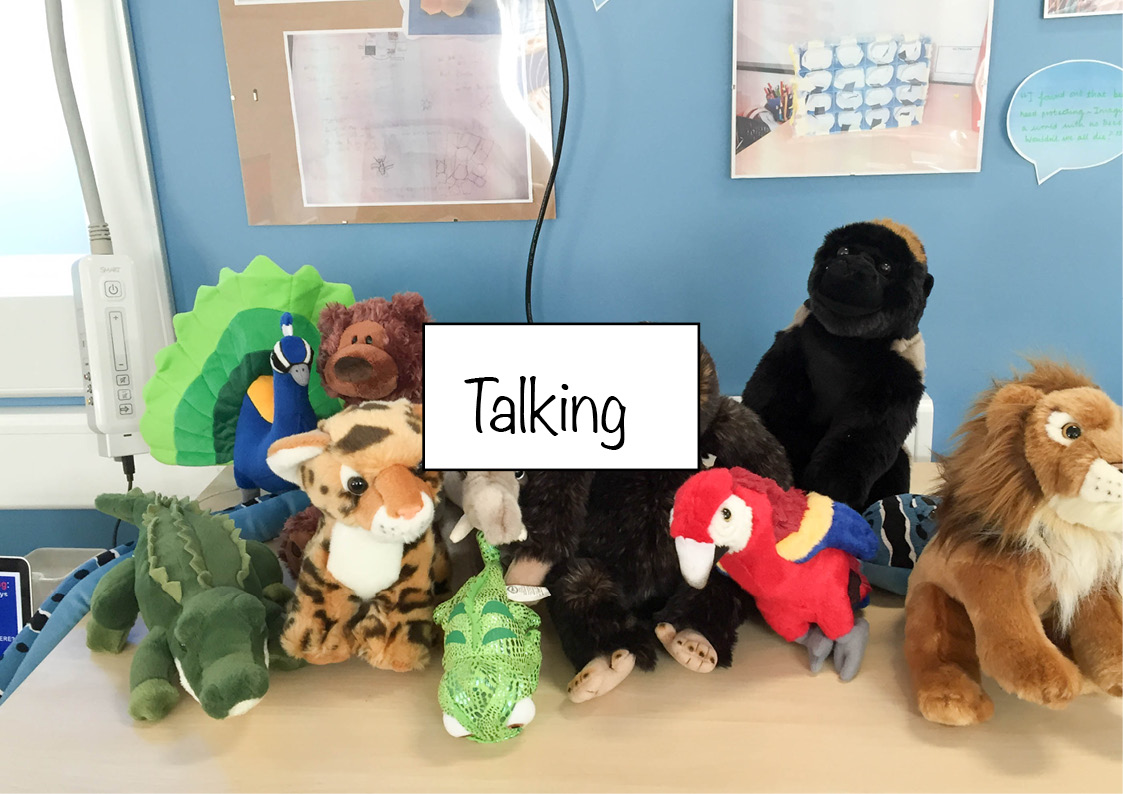
For example, you:
- talk fluently and precisely about the learning process using language drawn from the school’s progression maps;
- catch them learning and alert them to it;
- create / exploit opportunities to talk about how learners are learning;
- discuss and critique learning to encourage reflection on the process of learning and support meta-cognition;
- offer challenging yet supportive feedback, both oral and written, to alert learners to how they are learning and how they might improve as learners;
- promote discussion about how effective learning behaviours aid content learning.
3: Learning as a process and learning content are interwoven
You design activities that combine the dual objectives of ‘what’ will be learned and ‘how’ it will be learned. You make sure pupils know that the content they are learning is a way of giving their minds a useful workout. The content is the vehicle for exercising learning behaviours, the learning behaviours accelerate content learning.

For example, you:
- plan lessons with the intention of stretching both content understanding and learning behaviours;
- routinely make public the learning behaviour intentions of the lesson at the level of the school’s learning progression map(s);
- frame such intentions around how learners will learn the content;
- build in multiple opportunities for reflection on the how of learning, on the what of learning, and on how both might be applied elsewhere;
- ensure that reflection is done by learners, not for learners;
- offer challenging, frequently open-ended, tasks designed to stretch both content understanding and learning behaviours.
4: Learning growth is visible
You have realised that ‘having’ effective learning behaviours is less important than ‘building’ effective learning behaviours. Since you see education as a preparation for a learning life, you help learners to understand how they might develop as learners and so take control of their own ongoing growth as a learner. Your classroom celebrates learning rather than performance.
For example, you:
- know your students as (individual) learners, understand what they need to do to improve further, and intervene to help them to achieve it;
- support learners to set their own learning behaviour development targets;
- ensure that learning is sufficiently challenging so that errors will be made that can be explored and critiqued;
- prize progress over attainment, celebrating and displaying growth in learning behaviours;
- support learners to understand how growth in learning behaviours impacts on attainment;
- create a low-stakes learning environment, only occasionally allowing it to become a high-stakes, pass/fail performance zone.
Page n – the Relating grid plus learner behaviours , B&W, copied from section 2
Page n+1 – the Talking grid plus learner behaviours , B&W, copied from section 2
Page n+2 – the Constructing grid plus learner behaviours , B&W, copied from section 2
Page n+3 – the Celebrating grid plus learner behaviours , B&W, copied from section 2
Comments are closed.