
The page below offers glimpses of some of the important aspects of a learning friendly culture; one that focuses on building powerful learners.
What sort of talk draws out learning as a process?
Deep talk about learning is what sets learning powered classrooms apart. Learning and how it works isn’t just talked about at the beginning of a term or year but is embedded in the everyday conversations of the classroom.
- What do we mean when we say learning?
- When and where is it best?
- What helps you to do it?
- How does it feel? What hinders your learning?
- What made it so good?
- What did you contribute?
- How did you make sense of that?
 And later learners can be enabled to become meta-learners with questions such as:
- How do you plan to go about learning?
- How will you monitor how it’s going?
- How can you review how your learning has gone?
What does ‘teacher as coach’ mean?
 “Expert tutors often do not help very much. They hang back, letting the student manage as much as possible. And when things go awry, rather than help directly they raise questions: ‘Could you explain this step again? How did you… ?’” (Mark Lepper)
When we are curious we are genuinely interested in learning. Curiosity lies at the heart of coaching, hence coaches are effective listeners and ask questions to open dialogue without sounding like an interrogation. Coaching aims to enable people to see what they are doing more clearly and discover their own ways to improve. A coaching approach:
- helps people to explore their challenges, problems and goals
- provides an objective view of peoples actions to enable them to see things as as they really are
- enhances motivation and raises self esteem
- builds curiosity and encourages learning
Above all, coaches resist offering solutions. Offering solutions does little to secure learning as the student hasn’t been allowed to confront and engage with the problem and find their way forward. Learning powered teachers adopt a coaching role.
What does ‘split-screen lesson’ mean?
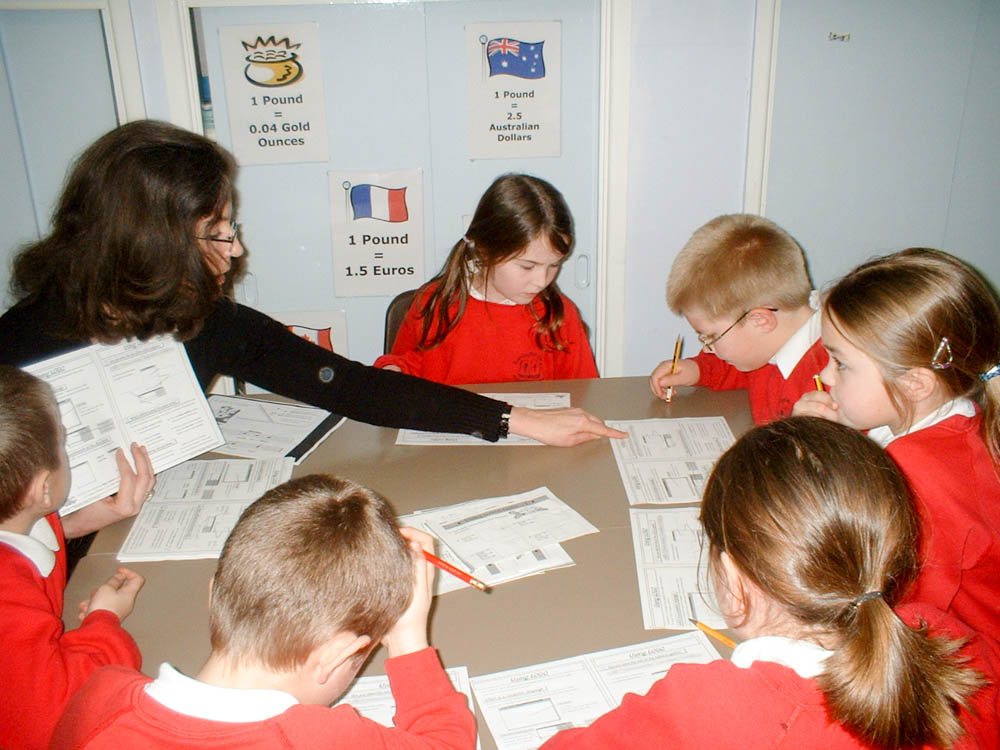
Whether we realise it or not, all lessons have a dual purpose:
- The content dimension, with material to be mastered
- The ‘epistemic’ dimension, with some learning skills and habits being exercised.
In conventional lessons where the teacher remains the focus of attention and the initiator of all activity, and where the epistemic dimension is not acknowledged, students gain habits of compliance and dependence, rather than curiosity and self reliance. In developing learning power, teachers are making conscious choices about which habits to introduce and stretch and how best to couple these with content so that lessons become more interesting and challenging. Through such overt coupling of content and specific types of process, students come to know, understand and take control of their learning behaviours – they knowingly use and develop the whole range of learning behaviours.
The very first sentence is the important one – Whether we realise it or not . . .
It reminds us that learning behaviours happen,
- even if we don’t intend that they do
- even if we haven’t planned for them
- even if we’re unaware of them
- even if students are unaware of them.
Learning behaviours are strengthened when students are aware of the behaviours that they are using and are afforded opportunities to reflect on how well they are using them. Therefore, teachers need to:
- be aware of the behaviours that their lessons are likely to stimulate
- plan activities to make this happen
- plan opportunities for reflection on the content that is being acquired,
- plan for reflection on the learning behaviours being exercised and strengthened,
- reflect on how content acts as the vehicle for exercising the learning behaviours while the learning behaviours enhance the content understanding.
Questions you might like to consider.
Something to think about
- How skillful are you / your teachers at balancing the competing pressures of coaching whenever possible and teaching whenever necessary?
- To what extent are students experiencing high challenge activities as opposed to ‘low demand conditions’?
- Is classroom talk sufficiently sophisticated and intentional to enable students to gain a deep understanding of the processes of learning?
- Are curriculum plans sufficiently detailed to identify where/when/how specific learning behaviours will be exercised?
Comments are closed.