My menu

Units Archive

Strategic issues and coaching notes – Stepping Stones phase 1

This module is intended to help learning champions make the most of the Stepping Stones 1 module material. It is a must read for senior leaders and team leaders who will be taking a strategic responsibility for building better learners.

Section A deals with strategic concerns with reminders about the purpose of using the materials and, importantly, how the modules might be sequenced.

Section B deals with the more nitty gritty concerns of running team sessions around the module materials to ensure pace, positive impact and happy learning teams.

Continue Reading

Helping your learners to… be Interdependent v2

Interdependence

When you use this learning muscle, you …

  • know how much interaction you need with others to assist your learning
  • make informed choices about working on your own or with others
  • are capable of maintaining your independent judgement when working with others

The activities, think pieces and questions in this online unit aim to help you, as a teacher, to make a start on:

  • introducing your students to one of the key learning behaviours;
  • using the language of learning effectively with your students;
  • designing the use of learning behaviours into the way you teach;
  • developing the confidence and skill in helping your students to grow their learning power.

The purpose of building your students’ Learning Power is to facilitate the growth of high value psychological characteristics and strengthen their learning characters. These skills, attitudes and values, when used with increasing competence and confidence across many learning opportunities, become learning habits; the characteristics of successful lifelong learners. 

How to navigate the module. Ignore if you are familiar with this advice.

Ideas in this module may take you into a new way of thinking about learning. The notes below will help you gain a coherent feel for how the material fits together and apply in your classroom practice.

Take it slowly and try to avoid any inclination to skim through the whole resource.
Spend about 15 mins on each of the 5 steps below; sufficient time to both read, think about and note down your learning.

Start with section 1.

Read – ‘What is . . . ?’
Maybe go over it again because there may well be some features of this behaviour that you haven’t met before.
Spot the Interdependent Learners in a class you know well and fill in the names of your learners.
Ask yourself:
Which of my learners appear to do all / most of these things already?
Which of my learners don’t appear to exhibit any of these positive learning behaviours?
What you’re discovering.

Make a note of your musings ready for discussion at the Professional Learning Team meeting.


Now go to section 3.

Carefully read ‘Understand how Interdependence grows’, this is likely to be brand new information
Take time to find out how the phases of growth work (see toggle box)
Focus on the class you know well and think about where they might fit on this trajectory
Think through the questions shown below the trajectory but don’t assume higher achievers will automatically be further up the trajectory than lower achievers
Ask yourself the hard question – could my learners make progress up this trajectory this year?
If yes, how might I help make this happen?
If no, what might I do to make learners more secure at their current stage?

Make a note of your musings ready for discussion at the Professional Learning Team meeting.


Now go to section 2.

Get a sense of what is meant by classroom culture and look at the diagram that shows some aspects of culture that encourage and enable Interdependence to flourish. . . ‘
Think about your own classroom culture:
which of these aspects are a regular feature in your own classroom?
which might you consider introducing into your classroom?
which sound interesting but you do not understand what they might look like in practice?

Make a note of your musings ready for discussion at the Professional Learning Team meeting.

You’ve now looked at the nature of the learning behaviour, considered how it might grow, and looked at features the classroom culture that supports it.


Now turn to section 4 to explore some teaching ideas that could be used to build these behaviours in your own classroom.

Read through section 4 – Ideas to Practise
look at both the primary and secondary columns because many of the ideas can be amended to fit different ages
Which of these ideas might fit your needs or simply appeal to you?
Which do you already use?
Which might work well in your own classroom?

Make a note of your musings ready for discussion at the Professional Learning Team meeting.


Section 5 Develop your talk

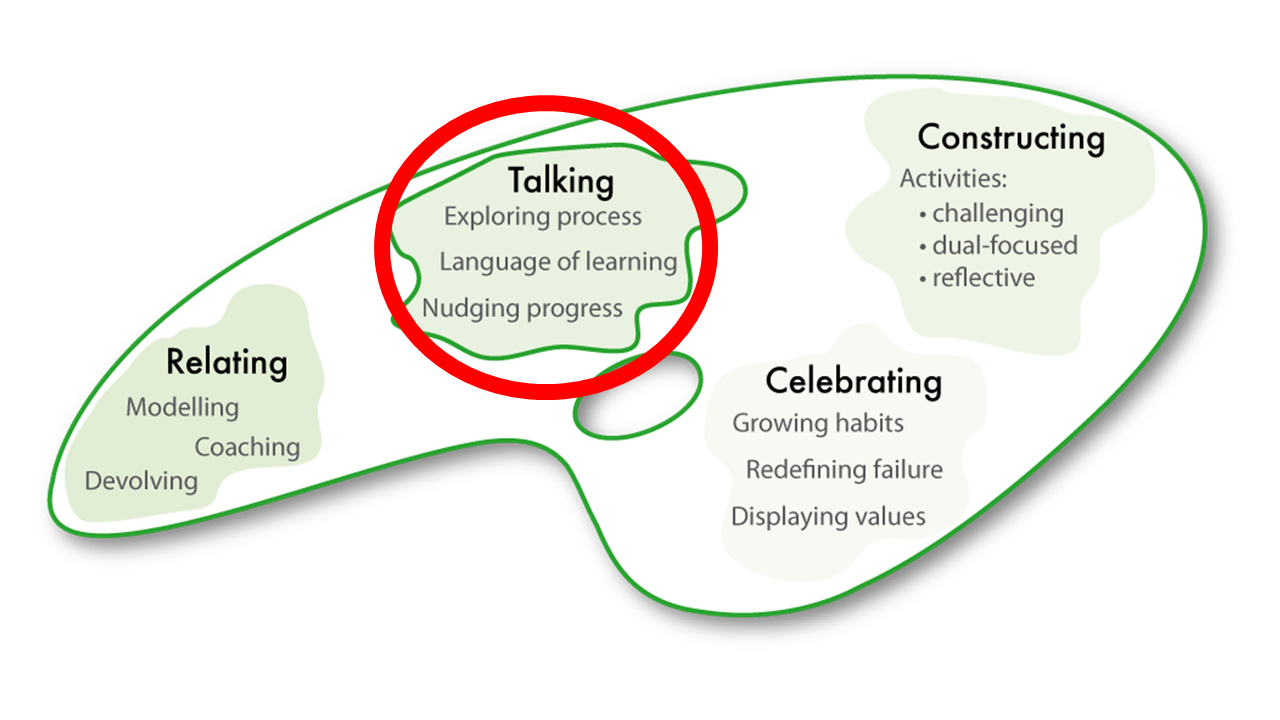
Take a look at a few statements you could use to nudge the behaviour. Using this language can be a big shift for many teachers because what you are doing here is talking in a way that will nudge the use of a particular learning behaviour. This is intentional and precise learning language.

Ask yourself:

How much do you currently talk about the process of learning, as opposed to the outcomes of learning?
Have you ever considered, in advance, how you might talk about the process of learning, or do you tend to just ‘trust yourself to say the right thing at the right time’?
Might you need to make a conscious decision to prepare in advance the language that you use?
Which of the suggested phrases/comments would best resonate with your students and fit with any of the teaching ideas you might try from section 4?

Make a note of your musings ready for discussion at the Professional Learning Team meeting.


You’re not currently enrolled in this unit and can’t access the sections of the unit below. Please contact us if you have any questions about accessing this unit.

Continue Reading

Helping your learners to… Distil [v2]

Distilling

When you use this learning muscle, you …

  • mull over experiences
  • draw out useful lessons from experiences
  • identify features that are likely to help you elsewhere
  • think about where else you might use these lessons

The activities, think pieces and questions in this online unit aim to help you, as a teacher to make a start on:

  • introducing your students to one of the key learning behaviours;
  • using the language of learning effectively with your students;
  • designing the use of learning behaviours into the way you teach;
  • developing the confidence and skill in helping your students to grow their learning habits.

The purpose of building your students’ Learning Power is to facilitate thei growth of high value psychological characteristics in order to strengthen their learning characters. These skills, attitudes and values, when used with increasing competence and confidence across many learning opportunities, become learning habits; the characteristics of successful lifelong learners. 

How to navigate the module. Ignore if you are familiar with this advice.

Ideas in this module may take you into a new way of thinking about learning. The notes below will help you gain a coherent feel for how the material fits together and apply in your classroom practice.

Take it slowly and try to avoid any inclination to skim through the whole resource.
Spend about 15 mins on each of the 5 steps below; sufficient time to both read, think about and note down your learning.

Start with section 1.

Read – ‘What is . . . ?’
Maybe go over it again because there may well be some features of this behaviour that you haven’t met before.
Spot the Distillers in a class you know well and fill in the names of your learners.
Ask yourself:
Which of my learners appear to do all / most of these things already?
Which of my learners don’t appear to exhibit any of these positive learning behaviours?
What you’re discovering.

Make a note of your musings ready for discussion at the Professional Learning Team meeting.


Now go to section 3.

Carefully read ‘Understand how Distilling grows’, this is likely to be brand new information
Take time to find out how the phases of growth work (see toggle box)
Focus on the class you know well and think about where they might fit on this trajectory
Think through the questions shown below the trajectory but don’t assume higher achievers will automatically be further up the trajectory than lower achievers
Ask yourself the hard question – could my learners make progress up this trajectory this year?
If yes, how might I help make this happen?
If no, what might I do to make learners more secure at their current stage?

Make a note of your musings ready for discussion at the Professional Learning Team meeting.


Now go to section 2.

Get a sense of what is meant by classroom culture and look at the diagram that shows some aspects of culture that encourage and enable Distilling to flourish. . . ‘
Think about your own classroom culture:
which of these aspects are a regular feature in your own classroom?
which might you consider introducing into your classroom?
which sound interesting but you do not understand what they might look like in practice?

Make a note of your musings ready for discussion at the Professional Learning Team meeting.

You’ve now looked at the nature of the learning behaviour, considered how it might grow, and looked at features the classroom culture that supports it.


Now turn to section 4 to explore some teaching ideas that could be used to build these behaviours in your own classroom.

Read through section 4 – Ideas to Practise
look at both the primary and secondary columns because many of the ideas can be amended to fit different ages
Which of these ideas might fit your needs or simply appeal to you?
Which do you already use?
Which might work well in your own classroom?

Make a note of your musings ready for discussion at the Professional Learning Team meeting.


Section 5 Develop your talk

Take a look at a few statements you could use to nudge the behaviour. Using this language can be a big shift for many teachers because what you are doing here is talking in a way that will nudge the use of a particular learning behaviour. This is intentional and precise learning language.

Ask yourself:

How much do you currently talk about the process of learning, as opposed to the outcomes of learning?
Have you ever considered, in advance, how you might talk about the process of learning, or do you tend to just ‘trust yourself to say the right thing at the right time’?
Might you need to make a conscious decision to prepare in advance the language that you use?
Which of the suggested phrases/comments would best resonate with your students and fit with any of the teaching ideas you might try from section 4?

Make a note of your musings ready for discussion at the Professional Learning Team meeting.


You’re not currently enrolled in this unit and can’t access the sections of the unit below. Please contact us if you have any questions about accessing this unit.

Continue Reading

Helping your learners to…Meta-learn [v2]

Meta-learning

When you use this learning muscle, you …

  • are interested in how you learn as an individual
  • can talk about what skills you need to make progress
  • can talk about how learning works for you
  • know your strengths and weaknesses as a learner
  • are interested in becoming a better learner


The activities, think pieces and questions in this online unit aim to help you, as a teacher to make a start on:

  • introducing your students to one of the key learning behaviours;
  • using the language of learning effectively with your students;
  • designing the use of learning behaviours into the way you teach;
  • developing the confidence and skill in helping your students to grow their learning power.

The purpose of building your students’ Learning Power is to facilitate the growth of high value psychological characteristics and strengthen their learning characters. These skills, attitudes and values, when used with increasing competence and confidence across many learning opportunities, become learning habits; the characteristics of successful lifelong learners.

How to navigate the module. Ignore if you are familiar with this advice.

Ideas in this module may take you into a new way of thinking about learning. The notes below will help you gain a coherent feel for how the material fits together and apply in your classroom practice.

Take it slowly and try to avoid any inclination to skim through the whole resource.
Spend about 15 mins on each of the 5 steps below; sufficient time to both read, think about and note down your learning.

Start with section 1.

Read – ‘What is . . . ?’
Maybe go over it again because there may well be some features of this behaviour that you haven’t met before.
Spot the Meta Learners in a class you know well and fill in the names of your learners.
Ask yourself:
Which of my learners appear to do all / most of these things already?
Which of my learners don’t appear to exhibit any of these positive learning behaviours?
What you’re discovering.

Make a note of your musings ready for discussion at the Professional Learning Team meeting.


Now go to section 3.

Carefully read ‘Understand how Meta Learning grows’, this is likely to be brand new information
Take time to find out how the phases of growth work (see toggle box)
Focus on the class you know well and think about where they might fit on this trajectory
Think through the questions shown below the trajectory but don’t assume higher achievers will automatically be further up the trajectory than lower achievers
Ask yourself the hard question – could my learners make progress up this trajectory this year?
If yes, how might I help make this happen?
If no, what might I do to make learners more secure at their current stage?

Make a note of your musings ready for discussion at the Professional Learning Team meeting.


Now go to section 2.

Get a sense of what is meant by classroom culture and look at the diagram that shows some aspects of culture that encourage and enable Meta Learning to flourish. . . ‘
Think about your own classroom culture:
which of these aspects are a regular feature in your own classroom?
which might you consider introducing into your classroom?
which sound interesting but you do not understand what they might look like in practice?

Make a note of your musings ready for discussion at the Professional Learning Team meeting.

You’ve now looked at the nature of the learning behaviour, considered how it might grow, and looked at features the classroom culture that supports it.


Now turn to section 4 to explore some teaching ideas that could be used to build these behaviours in your own classroom.

Read through section 4 – Ideas to Practise
look at both the primary and secondary columns because many of the ideas can be amended to fit different ages
Which of these ideas might fit your needs or simply appeal to you?
Which do you already use?
Which might work well in your own classroom?

Make a note of your musings ready for discussion at the Professional Learning Team meeting.


Section 5 Develop your talk

Take a look at a few statements you could use to nudge the behaviour. Using this language can be a big shift for many teachers because what you are doing here is talking in a way that will nudge the use of a particular learning behaviour. This is intentional and precise learning language.

Ask yourself:

How much do you currently talk about the process of learning, as opposed to the outcomes of learning?
Have you ever considered, in advance, how you might talk about the process of learning, or do you tend to just ‘trust yourself to say the right thing at the right time’?
Might you need to make a conscious decision to prepare in advance the language that you use?
Which of the suggested phrases/comments would best resonate with your students and fit with any of the teaching ideas you might try from section 4?

Make a note of your musings ready for discussion at the Professional Learning Team meeting.


Continue Reading

Helping your learners to … Question [v2]

Questioning

When you use this learning muscle, you …

  • are not afraid of not knowing
  • are curious about things and people
  • like to get below the surface of things and come up with your own conclusions
  • often wonder why
  • play with ideas, asking “How come?” and “What if?”

The activities, think pieces and questions in this online unit aim to help you, as a teacher, to make a start on:

  • introducing your students to one of the key learning behaviours;
  • using the language of learning effectively with your students;
  • designing the use of learning behaviours into the way you teach;
  • developing the confidence and skill in helping your students to grow their learning habits.

The purpose of building your students’ Learning Power is to facilitate the growth of high value psychological characteristics and strengthen their learning characters. These skills, attitudes and values, when used with increasing competence and confidence across many learning opportunities, become learning habits; the characteristics of successful lifelong learners. 

How to navigate the module. Ignore if you are familiar with this advice.

Ideas in this module may take you into a new way of thinking about learning. The notes below will help you gain a coherent feel for how the material fits together and apply in your classroom practice.

Take it slowly and try to avoid any inclination to skim through the whole resource.
Spend about 15 mins on each of the 5 steps below; sufficient time to both read, think about and note down your learning.

Start with section 1.

Read – ‘What is . . . ?’
Maybe go over it again because there may well be some features of this behaviour that you haven’t met before.
Spot the Questioners in a class you know well and fill in the names of your learners.
Ask yourself:
Which of my learners appear to do all / most of these things already?
Which of my learners don’t appear to exhibit any of these positive learning behaviours?
What you’re discovering.

Make a note of your musings ready for discussion at the Professional Learning Team meeting.


Now go to section 3.

Carefully read ‘Understand how Questioning grows’, this is likely to be brand new information
Take time to find out how the phases of growth work (see toggle box)
Focus on the class you know well and think about where they might fit on this trajectory
Think through the questions shown below the trajectory but don’t assume higher achievers will automatically be further up the trajectory than lower achievers
Ask yourself the hard question – could my learners make progress up this trajectory this year?
If yes, how might I help make this happen?
If no, what might I do to make learners more secure at their current stage?

Make a note of your musings ready for discussion at the Professional Learning Team meeting.


Now go to section 2.

Get a sense of what is meant by classroom culture and look at the diagram that shows some aspects of culture that encourage and enable Questioning to flourish. . . ‘
Think about your own classroom culture:
which of these aspects are a regular feature in your own classroom?
which might you consider introducing into your classroom?
which sound interesting but you do not understand what they might look like in practice?

Make a note of your musings ready for discussion at the Professional Learning Team meeting.

You’ve now looked at the nature of the learning behaviour, considered how it might grow, and looked at features the classroom culture that supports it.


Now turn to section 4 to explore some teaching ideas that could be used to build these behaviours in your own classroom.

Read through section 4 – Ideas to Practise
look at both the primary and secondary columns because many of the ideas can be amended to fit different ages
Which of these ideas might fit your needs or simply appeal to you?
Which do you already use?
Which might work well in your own classroom?

Make a note of your musings ready for discussion at the Professional Learning Team meeting.


Section 5 Develop your talk

Take a look at a few statements you could use to nudge the behaviour. Using this language can be a big shift for many teachers because what you are doing here is talking in a way that will nudge the use of a particular learning behaviour. This is intentional and precise learning language.

Ask yourself:

How much do you currently talk about the process of learning, as opposed to the outcomes of learning?
Have you ever considered, in advance, how you might talk about the process of learning, or do you tend to just ‘trust yourself to say the right thing at the right time’?
Might you need to make a conscious decision to prepare in advance the language that you use?
Which of the suggested phrases/comments would best resonate with your students and fit with any of the teaching ideas you might try from section 4?

Make a note of your musings ready for discussion at the Professional Learning Team meeting.


You’re not currently enrolled in this unit and can’t access the sections of the unit below. Please contact us if you have any questions about accessing this unit.

Continue Reading

Helping your learners to… Plan [v2]


Planning

When you use this learning muscle, you …

  • think about what you want to get out of learning
  • assess which resources you may need
  • estimate how long it will take you
  • plan the steps you might take
  • anticipate what might get in the way

The activities, think pieces and questions in this online unit aim to help you, as a teacher, make a start on:

  • introducing your students to one of the key learning behaviours;
  • using the language of learning effectively with your students;
  • designing the use of learning behaviours into the way you teach;
  • developing the confidence and skill in helping your students to grow their learning habits.

The purpose of building your students’ Learning Power is to facilitate their growth of high value psychological characteristics and strengthen their learning characters. These skills, attitudes and values, when used with increasing competence and confidence across many learning opportunities, become learning habits; the characteristics of successful lifelong learners. 

How to navigate the module. Ignore if you are familiar with this advice.

Ideas in this module may take you into a new way of thinking about learning. The notes below will help you gain a coherent feel for how the material fits together and apply in your classroom practice.

Take it slowly and try to avoid any inclination to skim through the whole resource.
Spend about 15 mins on each of the 5 steps below; sufficient time to both read, think about and note down your learning.

Start with section 1.

Read – ‘What is . . . ?’
Maybe go over it again because there may well be some features of this behaviour that you haven’t met before.
Spot the Planners in a class you know well and fill in the names of your learners.
Ask yourself:
Which of my learners appear to do all / most of these things already?
Which of my learners don’t appear to exhibit any of these positive learning behaviours?
What you’re discovering.

Make a note of your musings ready for discussion at the Professional Learning Team meeting.


Now go to section 3.

Carefully read ‘Understand how Planning grows’, this is likely to be brand new information
Take time to find out how the phases of growth work (see toggle box)
Focus on the class you know well and think about where they might fit on this trajectory
Think through the questions shown below the trajectory but don’t assume higher achievers will automatically be further up the trajectory than lower achievers
Ask yourself the hard question – could my learners make progress up this trajectory this year?
If yes, how might I help make this happen?
If no, what might I do to make learners more secure at their current stage?

Make a note of your musings ready for discussion at the Professional Learning Team meeting.


Now go to section 2.

Get a sense of what is meant by classroom culture and look at the diagram that shows some aspects of culture that encourage and enable Planning to flourish. . . ‘
Think about your own classroom culture:
which of these aspects are a regular feature in your own classroom?
which might you consider introducing into your classroom?
which sound interesting but you do not understand what they might look like in practice?

Make a note of your musings ready for discussion at the Professional Learning Team meeting.

You’ve now looked at the nature of the learning behaviour, considered how it might grow, and looked at features the classroom culture that supports it.


Now turn to section 4 to explore some teaching ideas that could be used to build these behaviours in your own classroom.

Read through section 4 – Ideas to Practise
look at both the primary and secondary columns because many of the ideas can be amended to fit different ages
Which of these ideas might fit your needs or simply appeal to you?
Which do you already use?
Which might work well in your own classroom?

Make a note of your musings ready for discussion at the Professional Learning Team meeting.


Section 5 Develop your talk

Take a look at a few statements you could use to nudge the behaviour. Using this language can be a big shift for many teachers because what you are doing here is talking in a way that will nudge the use of a particular learning behaviour. This is intentional and precise learning language.

Ask yourself:

How much do you currently talk about the process of learning, as opposed to the outcomes of learning?
Have you ever considered, in advance, how you might talk about the process of learning, or do you tend to just ‘trust yourself to say the right thing at the right time’?
Might you need to make a conscious decision to prepare in advance the language that you use?
Which of the suggested phrases/comments would best resonate with your students and fit with any of the teaching ideas you might try from section 4?

Make a note of your musings ready for discussion at the Professional Learning Team meeting.


You’re not currently enrolled in this unit and can’t access the sections of the unit below. Please contact us if you have any questions about accessing this unit.

Continue Reading

Helping your learners to… Persevere [v2]

Perseverance

When you use this learning muscle, you …

  • are not put off by being stuck
  • tolerate feelings of apprehension, frustration or confusion without getting upset
  • recognise that learning can be a struggle
  • keep on going despite difficulties and find ways to overcome them


The purpose of Building Learning Power is to facilitate the growth of high value psychological characteristics in order to strengthen students’ learning characters. These skills, attitudes and values, when used with increasing competence and confidence across many learning opportunities, become learning habits; the characteristics of successful lifelong learners. 

‘A person’s Learning Power determines, even dictates, their propensity for change, and directs those behaviours that influence and underpin performance throughout life.

The power to learn is the essential ingredient in implementing strategies for change i.e. to learn.‘

The activities, think pieces and questions in this online unit aim to help teachers make a start on:

  • introducing students to one of the key learning behaviours;
  • using the language of learning effectively with students;
  • designing the use of learning behaviours into the way they teach;
  • developing the confidence and skill in helping students to grow their learning power.

How to navigate the module. Ignore if you are familiar with this advice.

Ideas in this module may take you into a new way of thinking about learning. The notes below will help you gain a coherent feel for how the material fits together and apply in your classroom practice.

Take it slowly and try to avoid any inclination to skim through the whole resource.
Spend about 15 mins on each of the 5 steps below; sufficient time to both read, think about and note down your learning.

Start with section 1.

Read – ‘What is . . . ?’
Maybe go over it again because there may well be some features of this behaviour that you haven’t met before.
Spot the Perseverers in a class you know well and fill in the names of your learners.
Ask yourself:
Which of my learners appear to do all / most of these things already?
Which of my learners don’t appear to exhibit any of these positive learning behaviours?
What you’re discovering.

Make a note of your musings ready for discussion at the Professional Learning Team meeting.


Now go to section 3.

Carefully read ‘Understand how Perseverance grows’, this is likely to be brand new information
Take time to find out how the phases of growth work (see toggle box)
Focus on the class you know well and think about where they might fit on this trajectory
Think through the questions shown below the trajectory but don’t assume higher achievers will automatically be further up the trajectory than lower achievers
Ask yourself the hard question – could my learners make progress up this trajectory this year?
If yes, how might I help make this happen?
If no, what might I do to make learners more secure at their current stage?

Make a note of your musings ready for discussion at the Professional Learning Team meeting.


Now go to section 2.

Get a sense of what is meant by classroom culture and look at the diagram that shows some aspects of culture that encourage and enable Perseverance to flourish. . . ‘
Think about your own classroom culture:
which of these aspects are a regular feature in your own classroom?
which might you consider introducing into your classroom?
which sound interesting but you do not understand what they might look like in practice?

Make a note of your musings ready for discussion at the Professional Learning Team meeting.

You’ve now looked at the nature of the learning behaviour, considered how it might grow, and looked at features the classroom culture that supports it.


Now turn to section 4 to explore some teaching ideas that could be used to build these behaviours in your own classroom.

Read through section 4 – Ideas to Practise
look at both the primary and secondary columns because many of the ideas can be amended to fit different ages
Which of these ideas might fit your needs or simply appeal to you?
Which do you already use?
Which might work well in your own classroom?

Make a note of your musings ready for discussion at the Professional Learning Team meeting.


Section 5 Develop your talk

Take a look at a few statements you could use to nudge the behaviour. Using this language can be a big shift for many teachers because what you are doing here is talking in a way that will nudge the use of a particular learning behaviour. This is intentional and precise learning language.

Ask yourself:

How much do you currently talk about the process of learning, as opposed to the outcomes of learning?
Have you ever considered, in advance, how you might talk about the process of learning, or do you tend to just ‘trust yourself to say the right thing at the right time’?
Might you need to make a conscious decision to prepare in advance the language that you use?
Which of the suggested phrases/comments would best resonate with your students and fit with any of the teaching ideas you might try from section 4?

Make a note of your musings ready for discussion at the Professional Learning Team meeting.


You’re not currently enrolled in this unit and can’t access the sections of the unit below. Please contact us if you have any questions about accessing this unit.

Continue Reading

Helping your learners to… Reason [v2]

Reasoning

When you use this learning muscle, you …

  • engage in disciplined thinking
  • create logical arguments
  • spot flaws in other people’s arguments
  • deduce what might happen next
  • look for valid evidence

The activities, think pieces and questions in this online unit aim to help you, as a teacher, to make a start on:

  • introducing your students to one of the key learning behaviours;
  • using the language of learning effectively with your students;
  • designing the use of learning behaviours into the way you teach;
  • developing the confidence and skill in helping your students to grow their learning habits.

The purpose of building your students’ Learning Power is to facilitate their growth of high value psychological characteristics in order to strengthen their  learning character. These skills, attitudes and values, when used with increasing competence and confidence across many learning opportunities, become learning habits; the characteristics of successful lifelong learners. 

How to navigate the module. Ignore if you are familiar with this advice.

Ideas in this module may take you into a new way of thinking about learning. The notes below will help you gain a coherent feel for how the material fits together and apply in your classroom practice.

Take it slowly and try to avoid any inclination to skim through the whole resource.
Spend about 15 mins on each of the 5 steps below; sufficient time to both read, think about and note down your learning.

Start with section 1.

Read – ‘What is . . . ?’
Maybe go over it again because there may well be some features of this behaviour that you haven’t met before.
Spot the Reasoners in a class you know well and fill in the names of your learners.
Ask yourself:
Which of my learners appear to do all / most of these things already?
Which of my learners don’t appear to exhibit any of these positive learning behaviours?
What you’re discovering.

Make a note of your musings ready for discussion at the Professional Learning Team meeting.


Now go to section 3.

Carefully read ‘Understand how Reasoning grows’, this is likely to be brand new information
Take time to find out how the phases of growth work (see toggle box)
Focus on the class you know well and think about where they might fit on this trajectory
Think through the questions shown below the trajectory but don’t assume higher achievers will automatically be further up the trajectory than lower achievers
Ask yourself the hard question – could my learners make progress up this trajectory this year?
If yes, how might I help make this happen?
If no, what might I do to make learners more secure at their current stage?

Make a note of your musings ready for discussion at the Professional Learning Team meeting.


Now go to section 2.

Get a sense of what is meant by classroom culture and look at the diagram that shows some aspects of culture that encourage and enable Reasoning to flourish. . . ‘
Think about your own classroom culture:
which of these aspects are a regular feature in your own classroom?
which might you consider introducing into your classroom?
which sound interesting but you do not understand what they might look like in practice?

Make a note of your musings ready for discussion at the Professional Learning Team meeting.

You’ve now looked at the nature of the learning behaviour, considered how it might grow, and looked at features the classroom culture that supports it.


Now turn to section 4 to explore some teaching ideas that could be used to build these behaviours in your own classroom.

Read through section 4 – Ideas to Practise
look at both the primary and secondary columns because many of the ideas can be amended to fit different ages
Which of these ideas might fit your needs or simply appeal to you?
Which do you already use?
Which might work well in your own classroom?

Make a note of your musings ready for discussion at the Professional Learning Team meeting.


Section 5 Develop your talk

Take a look at a few statements you could use to nudge the behaviour. Using this language can be a big shift for many teachers because what you are doing here is talking in a way that will nudge the use of a particular learning behaviour. This is intentional and precise learning language.

Ask yourself:

How much do you currently talk about the process of learning, as opposed to the outcomes of learning?
Have you ever considered, in advance, how you might talk about the process of learning, or do you tend to just ‘trust yourself to say the right thing at the right time’?
Might you need to make a conscious decision to prepare in advance the language that you use?
Which of the suggested phrases/comments would best resonate with your students and fit with any of the teaching ideas you might try from section 4?

Make a note of your musings ready for discussion at the Professional Learning Team meeting.


You’re not currently enrolled in this unit and can’t access the sections of the unit below. Please contact us if you have any questions about accessing this unit.

Continue Reading

Helping your learners to… Notice [v2]

Noticing

When you use this learning muscle, you …

  • notice how things look, what they are made of, or how they behave
  • are patient, knowing that details may take time to emerge
  • can identify significant detail
  • get a clear sense of what, before starting to think why or how

The activities, think pieces and questions in this online unit aim to help you, as a teacher, to make a start on:

  • introducing your students to one of the key learning behaviours;
  • using the language of learning effectively with your students;
  • designing the use of learning behaviours into the way you teach;
  • developing the confidence and skill in helping your students to grow their learning habits.

The purpose of building your students’ Learning Power is to facilitate the growth of high value psychological characteristics and strengthen their learning characters. These skills, attitudes and values, when used with increasing competence and confidence across many learning opportunities, become learning habits; the characteristics of successful lifelong learners. 

How to navigate the module. Ignore if you are familiar with this advice.

Ideas in this module may take you into a new way of thinking about learning. The notes below will help you gain a coherent feel for how the material fits together and apply in your classroom practice.

Take it slowly and try to avoid any inclination to skim through the whole resource.
Spend about 15 mins on each of the 5 steps below; sufficient time to both read, think about and note down your learning.

Start with section 1.

Read – ‘What is . . . ?’
Maybe go over it again because there may well be some features of this behaviour that you haven’t met before.
Spot the xxxxxxxxxx in a class you know well and fill in the names of your learners.
Ask yourself:
Which of my learners appear to do all / most of these things already?
Which of my learners don’t appear to exhibit any of these positive learning behaviours?
What you’re discovering.

Make a note of your musings ready for discussion at the Professional Learning Team meeting.


Now go to section 3.

Carefully read ‘Understand how Xxxxxxx grows’, this is likely to be brand new information
Take time to find out how the phases of growth work (see toggle box)
Focus on the class you know well and think about where they might fit on this trajectory
Think through the questions shown below the trajectory but don’t assume higher achievers will automatically be further up the trajectory than lower achievers
Ask yourself the hard question – could my learners make progress up this trajectory this year?
If yes, how might I help make this happen?
If no, what might I do to make learners more secure at their current stage?

Make a note of your musings ready for discussion at the Professional Learning Team meeting.


Now go to section 2.

Get a sense of what is meant by classroom culture and look at the diagram that shows some aspects of culture that encourage and enable xxxxxxxx to flourish. . . ‘
Think about your own classroom culture:
which of these aspects are a regular feature in your own classroom?
which might you consider introducing into your classroom?
which sound interesting but you do not understand what they might look like in practice?

Make a note of your musings ready for discussion at the Professional Learning Team meeting.

You’ve now looked at the nature of the learning behaviour, considered how it might grow, and looked at features the classroom culture that supports it.


Now turn to section 4 to explore some teaching ideas that could be used to build these behaviours in your own classroom.

Read through section 4 – Ideas to Practise
look at both the primary and secondary columns because many of the ideas can be amended to fit different ages
Which of these ideas might fit your needs or simply appeal to you?
Which do you already use?
Which might work well in your own classroom?

Make a note of your musings ready for discussion at the Professional Learning Team meeting.


Section 5 Develop your talk

Take a look at a few statements you could use to nudge the behaviour. Using this language can be a big shift for many teachers because what you are doing here is talking in a way that will nudge the use of a particular learning behaviour. This is intentional and precise learning language.

Ask yourself:

How much do you currently talk about the process of learning, as opposed to the outcomes of learning?
Have you ever considered, in advance, how you might talk about the process of learning, or do you tend to just ‘trust yourself to say the right thing at the right time’?
Might you need to make a conscious decision to prepare in advance the language that you use?
Which of the suggested phrases/comments would best resonate with your students and fit with any of the teaching ideas you might try from section 4?

Make a note of your musings ready for discussion at the Professional Learning Team meeting.


Continue Reading

Helping your learners to… Resource their Learning (Capitalise & Imitate) [v2]

Resourcing Learning

When you use this learning muscle, you …

  • learn from many different sources — people, books, the Internet, music, the environment, experience …
  • make intelligent use of all kinds of strategies and things to aid learning
  • notice the approach and detail of how others do things
  • adopt and adapt the successful strategies of others

The activities, think pieces and questions in this online unit aim to help you, as a teacher, make a start on:

  • introducing your students to one of the key learning behaviours;
  • using the language of learning effectively your students;
  • designing the use of learning behaviours into the way you teach;
  • developing the confidence and skill in helping your students to grow their learning habits.

The purpose of building your students’ Learning Power is to facilitate their growth of high value psychological characteristics in order to strengthen their learning character. These skills, attitudes and values, when used with increasing competence and confidence across many learning opportunities, become learning habits; the characteristics of successful lifelong learners. 

How to navigate the module. Ignore if you are familiar with this advice.

Ideas in this module may take you into a new way of thinking about learning. The notes below will help you gain a coherent feel for how the material fits together and apply in your classroom practice.

Take it slowly and try to avoid any inclination to skim through the whole resource.
Spend about 15 mins on each of the 5 steps below; sufficient time to both read, think about and note down your learning.

Start with section 1.

Read – ‘What is . . . ?’
Maybe go over it again because there may well be some features of this behaviour that you haven’t met before.
Spot the Resourceful Learners in a class you know well and fill in the names of your learners.
Ask yourself:
Which of my learners appear to do all / most of these things already?
Which of my learners don’t appear to exhibit any of these positive learning behaviours?
What you’re discovering.

Make a note of your musings ready for discussion at the Professional Learning Team meeting.


Now go to section 3.

Carefully read ‘Understand how Resourcing Learning grows’, this is likely to be brand new information
Take time to find out how the phases of growth work (see toggle box)
Focus on the class you know well and think about where they might fit on this trajectory
Think through the questions shown below the trajectory but don’t assume higher achievers will automatically be further up the trajectory than lower achievers
Ask yourself the hard question – could my learners make progress up this trajectory this year?
If yes, how might I help make this happen?
If no, what might I do to make learners more secure at their current stage?

Make a note of your musings ready for discussion at the Professional Learning Team meeting.


Now go to section 2.

Get a sense of what is meant by classroom culture and look at the diagram that shows some aspects of culture that encourage and enable Resourcing Learning to flourish. . . ‘
Think about your own classroom culture:
which of these aspects are a regular feature in your own classroom?
which might you consider introducing into your classroom?
which sound interesting but you do not understand what they might look like in practice?

Make a note of your musings ready for discussion at the Professional Learning Team meeting.

You’ve now looked at the nature of the learning behaviour, considered how it might grow, and looked at features the classroom culture that supports it.


Now turn to section 4 to explore some teaching ideas that could be used to build these behaviours in your own classroom.

Read through section 4 – Ideas to Practise
look at both the primary and secondary columns because many of the ideas can be amended to fit different ages
Which of these ideas might fit your needs or simply appeal to you?
Which do you already use?
Which might work well in your own classroom?

Make a note of your musings ready for discussion at the Professional Learning Team meeting.


Section 5 Develop your talk

Take a look at a few statements you could use to nudge the behaviour. Using this language can be a big shift for many teachers because what you are doing here is talking in a way that will nudge the use of a particular learning behaviour. This is intentional and precise learning language.

Ask yourself:

How much do you currently talk about the process of learning, as opposed to the outcomes of learning?
Have you ever considered, in advance, how you might talk about the process of learning, or do you tend to just ‘trust yourself to say the right thing at the right time’?
Might you need to make a conscious decision to prepare in advance the language that you use?
Which of the suggested phrases/comments would best resonate with your students and fit with any of the teaching ideas you might try from section 4?

Make a note of your musings ready for discussion at the Professional Learning Team meeting.


You’re not currently enrolled in this unit and can’t access the sections of the unit below. Please contact us if you have any questions about accessing this unit.

Continue Reading

Helping your learners to… Empathise [v2]

Empathy

When you use this learning muscle, you …

  • hear feelings and thoughts behind someone’s words
  • try to understand someone’s point of view
  • put yourself in their shoes
  • see the world from their point of view

The activities, think pieces and questions in this online unit aim to help you, as a teacher, to make a start on:

  • introducing your students to one of the key learning behaviours;
  • using the language of learning effectively with your students;
  • designing the use of learning behaviours into the way you teach;
  • developing the confidence and skill in helping students to grow their learning habits.

The purpose of building your students’ Learning Power is to facilitate their growth of high value psychological characteristics and to strengthen their learning characters. These skills, attitudes and values, when used with increasing competence and confidence across many learning opportunities, become learning habits; the characteristics of successful lifelong learners. 

How to navigate the module. Ignore if you are familiar with this advice.

Ideas in this module may take you into a new way of thinking about learning. The notes below will help you gain a coherent feel for how the material fits together and apply in your classroom practice.

Take it slowly and try to avoid any inclination to skim through the whole resource.
Spend about 15 mins on each of the 5 steps below; sufficient time to both read, think about and note down your learning.

Start with section 1.

Read – ‘What is . . . ?’
Maybe go over it again because there may well be some features of this behaviour that you haven’t met before.
Spot the Empathetic Learners in a class you know well and fill in the names of your learners.
Ask yourself:
Which of my learners appear to do all / most of these things already?
Which of my learners don’t appear to exhibit any of these positive learning behaviours?
What you’re discovering.

Make a note of your musings ready for discussion at the Professional Learning Team meeting.


Now go to section 3.

Carefully read ‘Understand how Empathy grows’, this is likely to be brand new information
Take time to find out how the phases of growth work (see toggle box)
Focus on the class you know well and think about where they might fit on this trajectory
Think through the questions shown below the trajectory but don’t assume higher achievers will automatically be further up the trajectory than lower achievers
Ask yourself the hard question – could my learners make progress up this trajectory this year?
If yes, how might I help make this happen?
If no, what might I do to make learners more secure at their current stage?

Make a note of your musings ready for discussion at the Professional Learning Team meeting.


Now go to section 2.

Get a sense of what is meant by classroom culture and look at the diagram that shows some aspects of culture that encourage and enable Empathy to flourish. . . ‘
Think about your own classroom culture:
which of these aspects are a regular feature in your own classroom?
which might you consider introducing into your classroom?
which sound interesting but you do not understand what they might look like in practice?

Make a note of your musings ready for discussion at the Professional Learning Team meeting.

You’ve now looked at the nature of the learning behaviour, considered how it might grow, and looked at features the classroom culture that supports it.


Now turn to section 4 to explore some teaching ideas that could be used to build these behaviours in your own classroom.

Read through section 4 – Ideas to Practise
look at both the primary and secondary columns because many of the ideas can be amended to fit different ages
Which of these ideas might fit your needs or simply appeal to you?
Which do you already use?
Which might work well in your own classroom?

Make a note of your musings ready for discussion at the Professional Learning Team meeting.


Section 5 Develop your talk

Take a look at a few statements you could use to nudge the behaviour. Using this language can be a big shift for many teachers because what you are doing here is talking in a way that will nudge the use of a particular learning behaviour. This is intentional and precise learning language.

Ask yourself:

How much do you currently talk about the process of learning, as opposed to the outcomes of learning?
Have you ever considered, in advance, how you might talk about the process of learning, or do you tend to just ‘trust yourself to say the right thing at the right time’?
Might you need to make a conscious decision to prepare in advance the language that you use?
Which of the suggested phrases/comments would best resonate with your students and fit with any of the teaching ideas you might try from section 4?

Make a note of your musings ready for discussion at the Professional Learning Team meeting.


You’re not currently enrolled in this unit and can’t access the sections of the unit below. Please contact us if you have any questions about accessing this unit.

Continue Reading

Helping your learners to… Manage Distractions [v2]

Managing Distractions

When you use this learning muscle, you …

  • are aware of possible sources of distraction
  • purposefully try to minimise distractions
  • know what conditions help you to learn
  • settle back to learning quickly after an interruption

The activities, think pieces and questions in this online unit aim to help teachers make a start on:

  • introducing students to one of the key learning behaviours;
  • using the language of learning effectively with students;
  • designing the use of learning behaviours into the way they teach;
  • developing the confidence and skill in helping students to grow their learning power.

The purpose of building your students’ Learning Power is to facilitate the growth of high value psychological characteristics and strengthen their learning characters. These skills, attitudes and values, when used with increasing competence and confidence across many learning opportunities, become learning habits; the characteristics of successful lifelong learners. 

How to navigate the module. Ignore if you are familiar with this advice.

Ideas in this module may take you into a new way of thinking about learning. The notes below will help you gain a coherent feel for how the material fits together and apply in your classroom practice.

Take it slowly and try to avoid any inclination to skim through the whole resource.
Spend about 15 mins on each of the 5 steps below; sufficient time to both read, think about and note down your learning.

Start with section 1.

Read – ‘What is . . . ?’
Maybe go over it again because there may well be some features of this behaviour that you haven’t met before.
Spot the Distraction Managers in a class you know well and fill in the names of your learners.
Ask yourself:
Which of my learners appear to do all / most of these things already?
Which of my learners don’t appear to exhibit any of these positive learning behaviours?
What you’re discovering.

Make a note of your musings ready for discussion at the Professional Learning Team meeting.


Now go to section 3.

Carefully read ‘Understand how Managing Distractions grows’, this is likely to be brand new information
Take time to find out how the phases of growth work (see toggle box)
Focus on the class you know well and think about where they might fit on this trajectory
Think through the questions shown below the trajectory but don’t assume higher achievers will automatically be further up the trajectory than lower achievers
Ask yourself the hard question – could my learners make progress up this trajectory this year?
If yes, how might I help make this happen?
If no, what might I do to make learners more secure at their current stage?

Make a note of your musings ready for discussion at the Professional Learning Team meeting.


Now go to section 2.

Get a sense of what is meant by classroom culture and look at the diagram that shows some aspects of culture that encourage and enable Managing Distractions to flourish. . . ‘
Think about your own classroom culture:
which of these aspects are a regular feature in your own classroom?
which might you consider introducing into your classroom?
which sound interesting but you do not understand what they might look like in practice?

Make a note of your musings ready for discussion at the Professional Learning Team meeting.

You’ve now looked at the nature of the learning behaviour, considered how it might grow, and looked at features the classroom culture that supports it.


Now turn to section 4 to explore some teaching ideas that could be used to build these behaviours in your own classroom.

Read through section 4 – Ideas to Practise
look at both the primary and secondary columns because many of the ideas can be amended to fit different ages
Which of these ideas might fit your needs or simply appeal to you?
Which do you already use?
Which might work well in your own classroom?

Make a note of your musings ready for discussion at the Professional Learning Team meeting.


Section 5 Develop your talk

Take a look at a few statements you could use to nudge the behaviour. Using this language can be a big shift for many teachers because what you are doing here is talking in a way that will nudge the use of a particular learning behaviour. This is intentional and precise learning language.

Ask yourself:

How much do you currently talk about the process of learning, as opposed to the outcomes of learning?
Have you ever considered, in advance, how you might talk about the process of learning, or do you tend to just ‘trust yourself to say the right thing at the right time’?
Might you need to make a conscious decision to prepare in advance the language that you use?
Which of the suggested phrases/comments would best resonate with your students and fit with any of the teaching ideas you might try from section 4?

Make a note of your musings ready for discussion at the Professional Learning Team meeting.


You’re not currently enrolled in this unit and can’t access the sections of the unit below. Please contact us if you have any questions about accessing this unit.

Continue Reading

Helping your learners to… re-think, review, revise [v2]

Revising (review/re-think)

When you use this learning muscle, you …

  • are ready to revise your plans as you go along
  • are flexible in your learning
  • monitor how things are going
  • review your progress and change tack if necessary
  • change your plans when you’ve had a better idea

The activities, think pieces and questions in this online unit aim to help you, as a teacher, to make a start on:

  • introducing your students to one of the key learning behaviours;
  • using the language of learning effectively with your students;
  • designing the use of learning behaviours into the way you teach;
  • developing the confidence and skill in helping students to grow their learning habits.

The purpose of building your students’ Learning Power is to facilitate their growth of high value psychological characteristics and strengthen their learning character. These skills, attitudes and values, when used with increasing competence and confidence across many learning opportunities, become learning habits; the characteristics of successful lifelong learners. 

How to navigate the module. Ignore if you are familiar with this advice.

Ideas in this module may take you into a new way of thinking about learning. The notes below will help you gain a coherent feel for how the material fits together and apply in your classroom practice.

Take it slowly and try to avoid any inclination to skim through the whole resource.
Spend about 15 mins on each of the 5 steps below; sufficient time to both read, think about and note down your learning.

Start with section 1.

Read – ‘What is . . . ?’
Maybe go over it again because there may well be some features of this behaviour that you haven’t met before.
Spot the Revisers in a class you know well and fill in the names of your learners.
Ask yourself:
Which of my learners appear to do all / most of these things already?
Which of my learners don’t appear to exhibit any of these positive learning behaviours?
What you’re discovering.

Make a note of your musings ready for discussion at the Professional Learning Team meeting.


Now go to section 3.

Carefully read ‘Understand how Revising grows’, this is likely to be brand new information
Take time to find out how the phases of growth work (see toggle box)
Focus on the class you know well and think about where they might fit on this trajectory
Think through the questions shown below the trajectory but don’t assume higher achievers will automatically be further up the trajectory than lower achievers
Ask yourself the hard question – could my learners make progress up this trajectory this year?
If yes, how might I help make this happen?
If no, what might I do to make learners more secure at their current stage?

Make a note of your musings ready for discussion at the Professional Learning Team meeting.


Now go to section 2.

Get a sense of what is meant by classroom culture and look at the diagram that shows some aspects of culture that encourage and enable Revising to flourish. . . ‘
Think about your own classroom culture:
which of these aspects are a regular feature in your own classroom?
which might you consider introducing into your classroom?
which sound interesting but you do not understand what they might look like in practice?

Make a note of your musings ready for discussion at the Professional Learning Team meeting.

You’ve now looked at the nature of the learning behaviour, considered how it might grow, and looked at features the classroom culture that supports it.


Now turn to section 4 to explore some teaching ideas that could be used to build these behaviours in your own classroom.

Read through section 4 – Ideas to Practise
look at both the primary and secondary columns because many of the ideas can be amended to fit different ages
Which of these ideas might fit your needs or simply appeal to you?
Which do you already use?
Which might work well in your own classroom?

Make a note of your musings ready for discussion at the Professional Learning Team meeting.


Section 5 Develop your talk

Take a look at a few statements you could use to nudge the behaviour. Using this language can be a big shift for many teachers because what you are doing here is talking in a way that will nudge the use of a particular learning behaviour. This is intentional and precise learning language.

Ask yourself:

How much do you currently talk about the process of learning, as opposed to the outcomes of learning?
Have you ever considered, in advance, how you might talk about the process of learning, or do you tend to just ‘trust yourself to say the right thing at the right time’?
Might you need to make a conscious decision to prepare in advance the language that you use?
Which of the suggested phrases/comments would best resonate with your students and fit with any of the teaching ideas you might try from section 4?

Make a note of your musings ready for discussion at the Professional Learning Team meeting.


You’re not currently enrolled in this unit and can’t access the sections of the unit below. Please contact us if you have any questions about accessing this unit.


Continue Reading

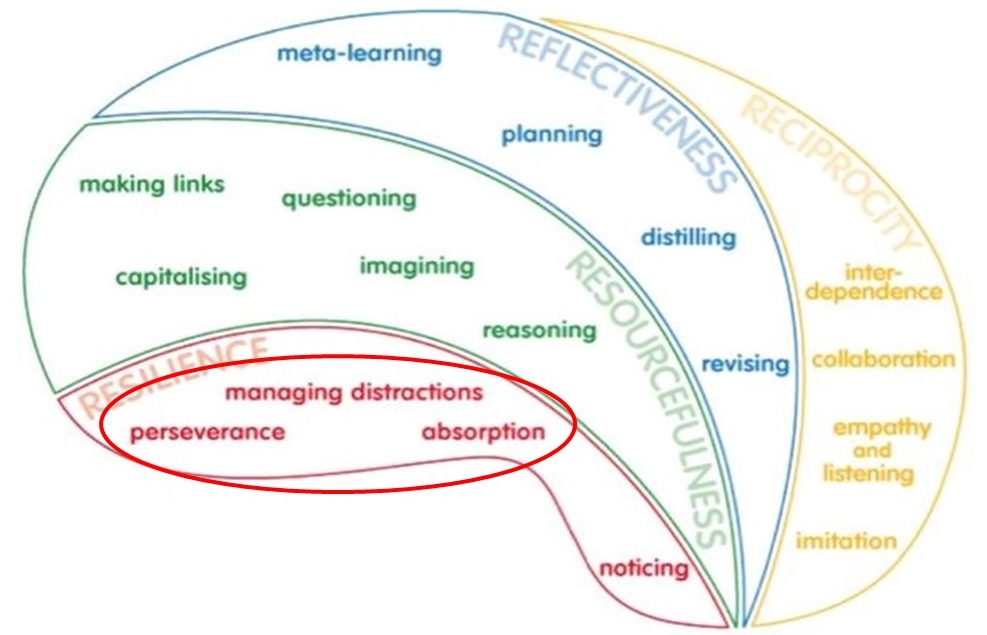
Helping your learners to… be resilient

The focus of this unit is on the development of Resilient Learners who . .

adopt a positive, ‘can-do’ approach to dealing with difficulty and rising to life’s challenges.

Resilient learners engage a blend of learning behaviours:

They …

  • are not put off by being stuck
  • tolerate feelings of apprehension, frustration or confusion without getting upset
  • recognise that learning can be a struggle
  • keep on going despite difficulties and find ways to overcome them
  • maintain motivation and engagement
  • work purposefully towards goals


The activities, think pieces and questions in this online unit aim to help you to make a start on:

  • introducing students to the key behaviours of resilient learners;
  • using the language of resilient learning effectively with students;
  • designing the use of resilient learning behaviours into the way you teach;
  • developing the confidence and skill in helping students to grow their resilience.

The following sections will help you to tailor your classroom practice to support the development of these dispositions.

  • Section 1 explores the learning behaviours of resilient learners
  • Section 2 discusses the classroom culture that supports the development of resilient learners
  • Section 3 offers ideas to practise in your own classroom
  • Section 4 contains some suggestions about how you might talk to encourage resilience
  • Section 5 makes suggestions to move practice on
  • Section 6 explores progression in resilience.


Continue Reading

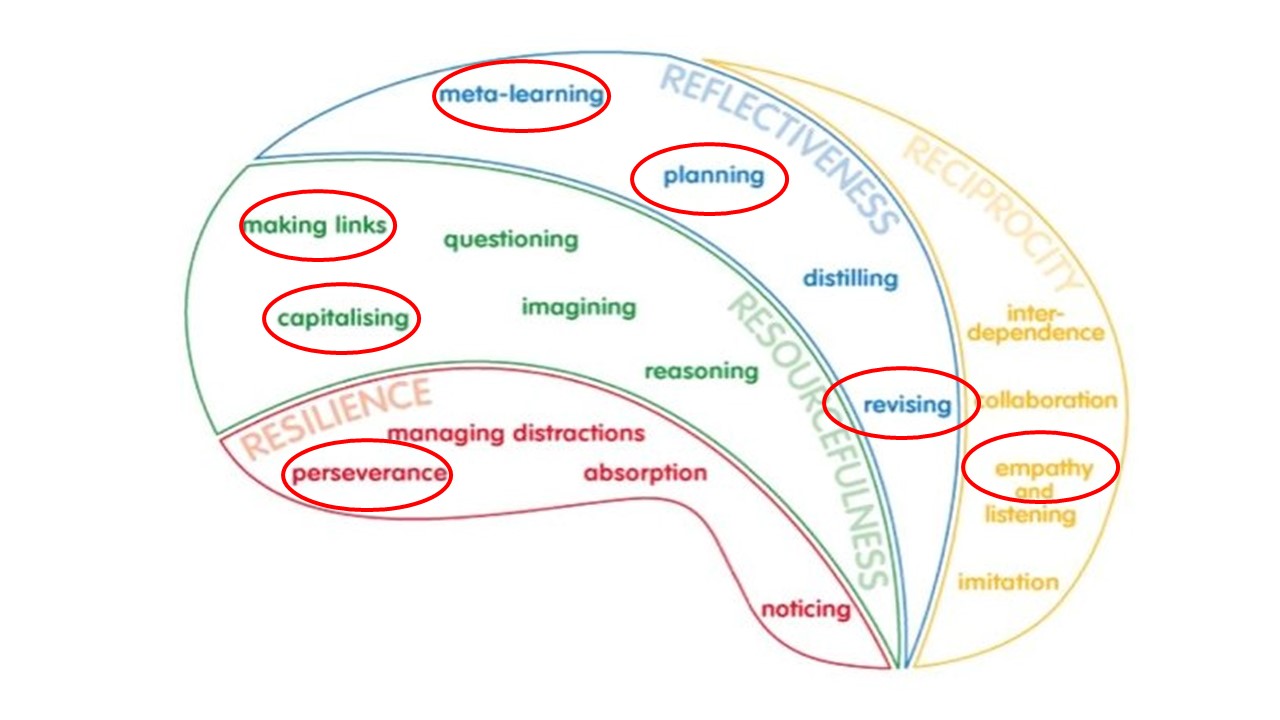
Helping your learners to be . . . confident individuals

The focus of this unit is on the development of Confident Individuals . . .

who have a strong, positive view of self, understand how, through their efforts, they achieve success in all areas of their lives, are able to discover what they need to know and apply this knowledge appropriately, and who have the skill and disposition to manage themselves, to be self-regulators.

Confident individuals engage a blend of learning behaviours:

They …

  • have a range of strategies for overcoming difficulties
  • are alert to how they might apply their learning elsewhere
  • think carefully ahead of taking action
  • value and respect both themselves and others
  • have a positive self-image born of a clear understanding of themselves as learners.


The activities, think pieces and questions in this online unit aim to help you to make a start on:

  • introducing students to the key behaviours of confident individuals;
  • using the language of confident learning effectively with students;
  • designing the use of confident learning behaviours into the way you teach;
  • developing the confidence and skill in helping students to grow their own confidence.

The following sections will help you to tailor your classroom practice to support the development of these dispositions.

  • Section 1 explores the learning behaviours of confident learners
  • Section 2 discusses the classroom culture that supports the development of confident learners
  • Section 3 offers ideas to practise in your own classroom
  • Section 4 contains some suggestions about how you might talk to encourage confident individuality
  • Section 5 makes suggestions to move practice on
  • Section 6 explores progression in confidence.


Continue Reading

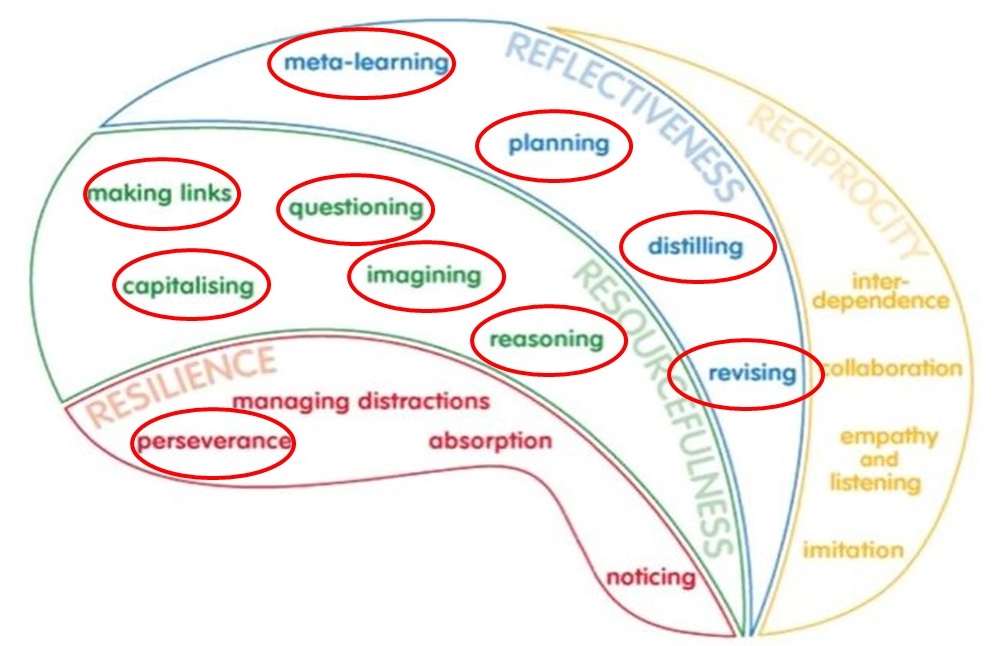
Helping your learners to be . . . independent

The focus of this unit is on the development of Independent Learners who . .

have the skills, inclination and confidence to pursue their own lines of enquiry and to solve their own problems with minimal external support.

Independent learners engage a blend of learning behaviours:

They …

  • Identify questions to answer and problems to resolve;
  • Plan and carry out research, appreciating the consequences of decisions;
  • Seek, analyse and evaluate information, judging its relevance and value;
  • Support conclusions using reasoned arguments;
  • Pull a range of ideas together into a coherent whole
  • Are self-regulating.


The activities, think pieces and questions in this online unit aim to help you to make a start on:

  • introducing students to the key behaviours of independent learners;
  • using the language of independent learning effectively with students;
  • designing the use of independent learning behaviours into the way you teach;
  • developing the confidence and skill in helping students to grow their independence.

The following sections will help you to tailor your classroom practice to support the development of these dispositions.

  • Section 1 explores the learning behaviours of independent learners
  • Section 2 discusses the classroom culture that supports the development of independent learners
  • Section 3 offers ideas to practise in your own classroom
  • Section 4 contains some suggestions about how you might talk to encourage independence
  • Section 5 makes suggestions to move practice on
  • Section 6 explores progression in independence.


Continue Reading

Shaping the future of learning in England

Why change?

Creating confident, resilient, independent learners should have long since been a core purpose of schooling. But a near complete focus on the standards agenda has, thus far, sidelined this core purpose. The curriculum in England is in stark contrast to many other countries, like Wales, Scotland, USA, Australia, New Zealand, who are moving, or have already moved, to a curriculum based around learner competencies rather than a body of knowledge to be acquired.

But the 2019 Ofsted Inspection Framework heralds a shift of focus. Standards are still there, quite rightly, but henceforth Ofsted will also make a judgement on the personal development of learners by evaluating the extent to which ‘the curriculum and the provider’s wider work support learners to develop their character – including their resilience, confidence and independence’.

It should always have been a core purpose of schooling. Ofsted are now intending to judge it. Moreover, in the information-rich and fast moving world, knowledge alone is no longer the reliable source of advantage it once was: it must now be partnered by the development of learning dispositions or habits. —  This means helping students build up the mental, emotional and social resources to become confident, resilient, independent learners. That’s why.

Related image

What change?

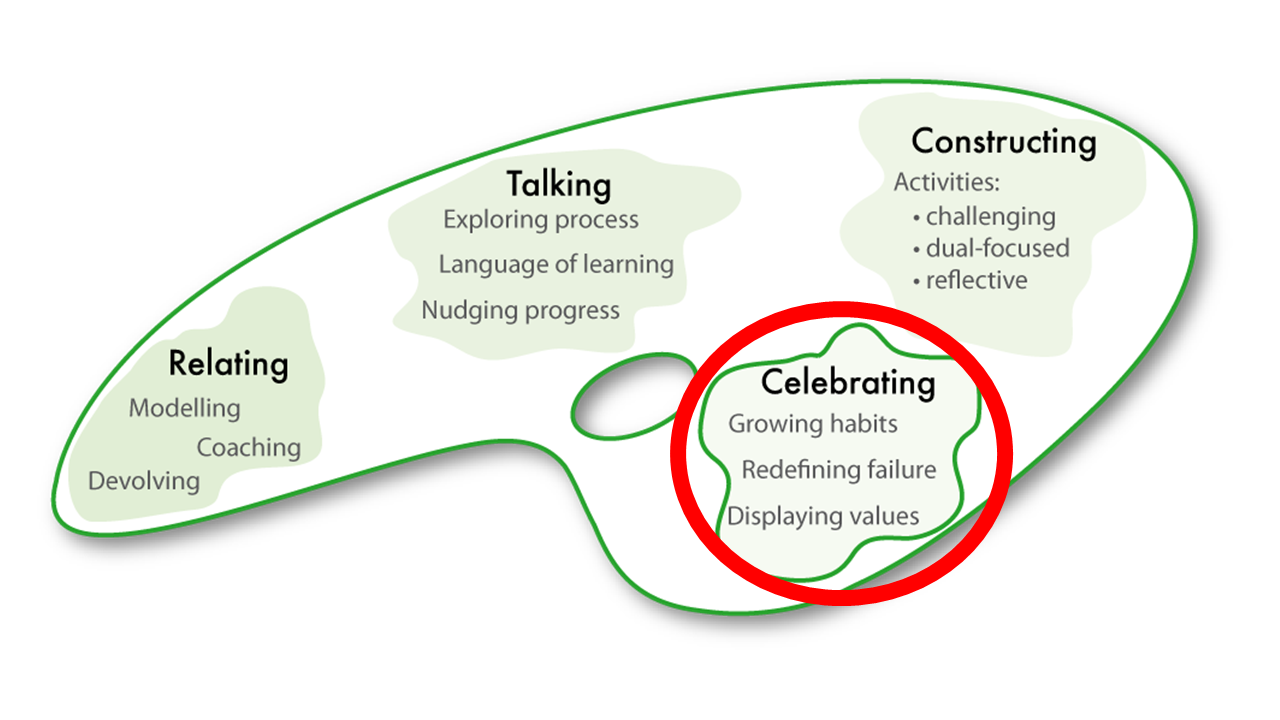
The curriculum prepares students for the changes they will need to embrace in their lives after school. Preparing for a complex life involves the development of the habits or dispositions of learning…those attributes of character that make you more or less likely to; persevere and learn well with others; check out and change you’re learning as you go along; think carefully and question things critically. These are the ‘hows’ of being a successful learner. Research shows these learning habits having strong effects on educational attainment and additional positive effects on life outcomes beyond school. Dispositions aren’t fixed at birth, they change over time in response to the environment. And so it’s the school and it’s classroom cultures that will have a major influence on developing students’ learning character. It is learning cultures that make the difference.

How can we make it work?

As a Headteacher you are now involved in shaping the future of learning in your school. Proposed new content combinations and approaches to assessment will help structure the future of learning but much is left for the school to shape. At the heart of it all, the engine that will make it work, will be your learning friendly classroom cultures; cultures that will ensure students intentionally learn how to become increasingly confident, resilient and independent.


By broadening the framework to include learning character, Ofsted have, in their own terms, expanded the Intent of the curriculum. This resource begins to explore how schools might Implement this expanded intent and what the Impact might be. It goes to the heart of the Quality of Education.


This short resource raises eight key questions which, as a Headteacher, you will want to consider in the run up to adapting the curriculum to intentionally develop learning character, including confidence, resilience and independence. The questions revolve around growing learning habits and creating classroom and school cultures strong enough to nurture those ambitions.

This is NOT a resource about the content of the curriculum. Instead it goes to key aspect of any change strategy…that of developing positive learning dispositions in students, staff and the school more widely. It simply opens the box and offers you a map of the territory, food for thought, ideas to try, and tools to use to make a confident start on your journey.


The why, the what, and the how

Related image


Continue Reading

Helping your learners to… Collaborate [v2]

Collaboration

When you use this learning muscle, you …

  • are aware how you respond to other people
  • manage your feelings when working with others
  • respect other people’s points of view
  • are able to work effectively as part of a pair or team
  • share information and ideas willingly
  • understand the ground rules of team work

The activities, think pieces and questions in this online unit aim to help you, as a teacher, to make a start on:

  • introducing your students to one of the key learning behaviours;
  • using the language of learning effectively with your students;
  • designing the use of learning behaviours into the way you teach;
  • developing the confidence and skill in helping your students to grow their learning habits.

The purpose of building your students‘ Learning Power is to facilitate their growth of high value psychological characteristics and strengthen their learning character. These skills, attitudes and values, when used with increasing competence and confidence across many learning opportunities, become learning habits; the characteristics of successful lifelong learners. 

How to navigate the module. Ignore if you are familiar with this advice.

Ideas in this module may take you into a new way of thinking about learning. The notes below will help you gain a coherent feel for how the material fits together and apply in your classroom practice.

Take it slowly and try to avoid any inclination to skim through the whole resource.
Spend about 15 mins on each of the 5 steps below; sufficient time to both read, think about and note down your learning.

Start with section 1.

Read – ‘What is . . . ?’
Maybe go over it again because there may well be some features of this behaviour that you haven’t met before.
Spot the Collaborators in a class you know well and fill in the names of your learners.
Ask yourself:
Which of my learners appear to do all / most of these things already?
Which of my learners don’t appear to exhibit any of these positive learning behaviours?
What you’re discovering.

Make a note of your musings ready for discussion at the Professional Learning Team meeting.


Now go to section 3.

Carefully read ‘Understand how Collaboration grows’, this is likely to be brand new information
Take time to find out how the phases of growth work (see toggle box)
Focus on the class you know well and think about where they might fit on this trajectory
Think through the questions shown below the trajectory but don’t assume higher achievers will automatically be further up the trajectory than lower achievers
Ask yourself the hard question – could my learners make progress up this trajectory this year?
If yes, how might I help make this happen?
If no, what might I do to make learners more secure at their current stage?

Make a note of your musings ready for discussion at the Professional Learning Team meeting.


Now go to section 2.

Get a sense of what is meant by classroom culture and look at the diagram that shows some aspects of culture that encourage and enable Collaboration to flourish. . . ‘
Think about your own classroom culture:
which of these aspects are a regular feature in your own classroom?
which might you consider introducing into your classroom?
which sound interesting but you do not understand what they might look like in practice?

Make a note of your musings ready for discussion at the Professional Learning Team meeting.

You’ve now looked at the nature of the learning behaviour, considered how it might grow, and looked at features the classroom culture that supports it.


Now turn to section 4 to explore some teaching ideas that could be used to build these behaviours in your own classroom.

Read through section 4 – Ideas to Practise
look at both the primary and secondary columns because many of the ideas can be amended to fit different ages
Which of these ideas might fit your needs or simply appeal to you?
Which do you already use?
Which might work well in your own classroom?

Make a note of your musings ready for discussion at the Professional Learning Team meeting.


Section 5 Develop your talk

Take a look at a few statements you could use to nudge the behaviour. Using this language can be a big shift for many teachers because what you are doing here is talking in a way that will nudge the use of a particular learning behaviour. This is intentional and precise learning language.

Ask yourself:

How much do you currently talk about the process of learning, as opposed to the outcomes of learning?
Have you ever considered, in advance, how you might talk about the process of learning, or do you tend to just ‘trust yourself to say the right thing at the right time’?
Might you need to make a conscious decision to prepare in advance the language that you use?
Which of the suggested phrases/comments would best resonate with your students and fit with any of the teaching ideas you might try from section 4?

Make a note of your musings ready for discussion at the Professional Learning Team meeting.


Continue Reading

Helping your learners to… Imagine [v2]

Imagining

When you use this learning muscle, you …

  • picture how things might look, sound, feel, be
  • let your mind explore and play with possibilities and ideas
  • build up stories around objects, facts, theories or other stimuli
  • rehearse things in your mind before doing them for real

The activities, think pieces and questions in this online unit aim to help you, as a teacher, to make a start on:

  • introducing your students to one of the key learning behaviours;
  • using the language of learning effectively with your students;
  • designing the use of learning behaviours into the way you teach;
  • developing the confidence and skill in helping your students to grow their learning habits.

The purpose of building your students’ Learning Power is to facilitate the growth of high value psychological characteristics in order to strengthen their learning character. These skills, attitudes and values, when used with increasing competence and confidence across many learning opportunities, become learning habits; the characteristics of successful lifelong learners.

How to navigate the module. Ignore if you are familiar with this advice.

Ideas in this module may take you into a new way of thinking about learning. The notes below will help you gain a coherent feel for how the material fits together and apply in your classroom practice.

  • Take it slowly and try to avoid any inclination to skim through the whole resource.
  • Spend about 15 mins on each of the 5 steps below; sufficient time to both read, think about and note down your learning.

Start with section 1.

  • Read – ‘What is . . . ?’
  • Maybe go over it again because there may well be some features of this behaviour that you haven’t met before.
  • Spot the imaginers in a class you know well and fill in the names of your learners.
  • Ask yourself:
    • Which of my learners appear to do all / most of these things already?
    • Which of my learners don’t appear to exhibit any of these positive learning behaviours?
    • What you’re discovering.

Make a note of your musings ready for discussion at the Professional Learning Team meeting.


Now go to section 3.

  • Carefully read ‘Understand how Imagining grows’, this is likely to be brand new information
  • Take time to find out how the phases of growth work (see toggle box)
  • Focus on the class you know well and think about where they might fit on this trajectory
  • Think through the questions shown below the trajectory but don’t assume higher achievers will automatically be further up the trajectory than lower achievers
  • Ask yourself the hard question – could my learners make progress up this trajectory this year?
  • If yes, how might I help make this happen?
  • If no, what might I do to make learners more secure at their current stage?

Make a note of your musings ready for discussion at the Professional Learning Team meeting.


Now go to section 2.

  • Get a sense of what is meant by classroom culture and look at the diagram that shows some aspects of culture that encourage and enable imagination to flourish. . . ‘
  • Think about your own classroom culture:
    • which of these aspects are a regular feature in your own classroom?
    • which might you consider introducing into your classroom?
    • which sound interesting but you do not understand what they might look like in practice?

Make a note of your musings ready for discussion at the Professional Learning Team meeting.

You’ve now looked at the nature of the learning behaviour, considered how it might grow, and looked at features the classroom culture that supports it.


Now turn to section 4 to explore some teaching ideas that could be used to build these behaviours in your own classroom.

  • Read through section 4 – Ideas to Practise
    • look at both the primary and secondary columns because many of the ideas can be amended to fit different ages
  • Which of these ideas might fit your needs or simply appeal to you?
  • Which do you already use?
  • Which might work well in your own classroom?

Make a note of your musings ready for discussion at the Professional Learning Team meeting.


Section 5 Develop your talk

Take a look at a few statements you could use to nudge the behaviour. Using this language can be a big shift for many teachers because what you are doing here is talking in a way that will nudge the use of a particular learning behaviour. This is intentional and precise learning language.

Ask yourself:

  • How much do you currently talk about the process of learning, as opposed to the outcomes of learning?
  • Have you ever considered, in advance, how you might talk about the process of learning, or do you tend to just ‘trust yourself to say the right thing at the right time’?
  • Might you need to make a conscious decision to prepare in advance the language that you use?
  • Which of the suggested phrases/comments would best resonate with your students and fit with any of the teaching ideas you might try from section 4?

Make a note of your musings ready for discussion at the Professional Learning Team meeting.


Continue Reading

Helping your learners to… Listen [v2]

Listening

When you use this learning muscle, you …

  • pay attention to other people
  • show you are listening by eye contact and body language
  • reflect back the main points that someone has said
  • stay quiet while the other person speaks

The activities, think pieces and questions in this online unit aim to help teachers make a start on:

  • introducing your students to one of the key learning behaviours;
  • using the language of learning effectively with your students;
  • designing the use of learning behaviours into the way you teach;
  • developing the confidence and skill in helping your students to grow their learning habits.

The purpose of building your students’ Learning Power is to facilitate the growth of high value psychological characteristics and to strengthen their learning characters. These skills, attitudes and values, when used with increasing competence and confidence across many learning opportunities, become learning habits; the characteristics of successful lifelong learners. 

How to navigate the module. Ignore if you are familiar with this advice.

Ideas in this module may take you into a new way of thinking about learning. The notes below will help you gain a coherent feel for how the material fits together and apply in your classroom practice.

Take it slowly and try to avoid any inclination to skim through the whole resource.
Spend about 15 mins on each of the 5 steps below; sufficient time to both read, think about and note down your learning.

Start with section 1.

Read – ‘What is . . . ?’
Maybe go over it again because there may well be some features of this behaviour that you haven’t met before.
Spot the Listeners in a class you know well and fill in the names of your learners.
Ask yourself:
Which of my learners appear to do all / most of these things already?
Which of my learners don’t appear to exhibit any of these positive learning behaviours?
What you’re discovering.

Make a note of your musings ready for discussion at the Professional Learning Team meeting.


Now go to section 3.

Carefully read ‘Understand how Listening grows’, this is likely to be brand new information
Take time to find out how the phases of growth work (see toggle box)
Focus on the class you know well and think about where they might fit on this trajectory
Think through the questions shown below the trajectory but don’t assume higher achievers will automatically be further up the trajectory than lower achievers
Ask yourself the hard question – could my learners make progress up this trajectory this year?
If yes, how might I help make this happen?
If no, what might I do to make learners more secure at their current stage?

Make a note of your musings ready for discussion at the Professional Learning Team meeting.


Now go to section 2.

Get a sense of what is meant by classroom culture and look at the diagram that shows some aspects of culture that encourage and enable Listening to flourish. . . ‘
Think about your own classroom culture:
which of these aspects are a regular feature in your own classroom?
which might you consider introducing into your classroom?
which sound interesting but you do not understand what they might look like in practice?

Make a note of your musings ready for discussion at the Professional Learning Team meeting.

You’ve now looked at the nature of the learning behaviour, considered how it might grow, and looked at features the classroom culture that supports it.


Now turn to section 4 to explore some teaching ideas that could be used to build these behaviours in your own classroom.

Read through section 4 – Ideas to Practise
look at both the primary and secondary columns because many of the ideas can be amended to fit different ages
Which of these ideas might fit your needs or simply appeal to you?
Which do you already use?
Which might work well in your own classroom?

Make a note of your musings ready for discussion at the Professional Learning Team meeting.


Section 5 Develop your talk

Take a look at a few statements you could use to nudge the behaviour. Using this language can be a big shift for many teachers because what you are doing here is talking in a way that will nudge the use of a particular learning behaviour. This is intentional and precise learning language.

Ask yourself:

How much do you currently talk about the process of learning, as opposed to the outcomes of learning?
Have you ever considered, in advance, how you might talk about the process of learning, or do you tend to just ‘trust yourself to say the right thing at the right time’?
Might you need to make a conscious decision to prepare in advance the language that you use?
Which of the suggested phrases/comments would best resonate with your students and fit with any of the teaching ideas you might try from section 4?

Make a note of your musings ready for discussion at the Professional Learning Team meeting.


Continue Reading

Helping your learners to… Make Links [v2]

Making Links

When you use this learning muscle, you …

  • look for connections between experiences or ideas
  • find pleasure in seeing how things fit together, make patterns
  • connect new ideas to how you think and feel already
  • look for analogies in your memory that will give you a handle on something complicated

The activities, think pieces and questions in this online unit aim to help teachers make a start on:

  • introducing your students to one of the key learning behaviours;
  • using the language of learning effectively with your students;
  • designing the use of learning behaviours into the way you teach;
  • developing the confidence and skill in helping your students to grow their learning habits.

The purpose of building your students Learning Power is to facilitate the growth of high value psychological characteristics and strengthen their learning characters. These skills, attitudes and values, when used with increasing competence and confidence across many learning opportunities, become learning habits; the characteristics of successful lifelong learners. 

How to navigate the module. Ignore if you are familiar with this advice.

Ideas in this module may take you into a new way of thinking about learning. The notes below will help you gain a coherent feel for how the material fits together and apply in your classroom practice.

Take it slowly and try to avoid any inclination to skim through the whole resource.
Spend about 15 mins on each of the 5 steps below; sufficient time to both read, think about and note down your learning.

Start with section 1.

Read – ‘What is . . . ?’
Maybe go over it again because there may well be some features of this behaviour that you haven’t met before.
Spot the Link Makers in a class you know well and fill in the names of your learners.
Ask yourself:
Which of my learners appear to do all / most of these things already?
Which of my learners don’t appear to exhibit any of these positive learning behaviours?
What you’re discovering.

Make a note of your musings ready for discussion at the Professional Learning Team meeting.


Now go to section 3.

Carefully read ‘Understand how Making Links grows’, this is likely to be brand new information
Take time to find out how the phases of growth work (see toggle box)
Focus on the class you know well and think about where they might fit on this trajectory
Think through the questions shown below the trajectory but don’t assume higher achievers will automatically be further up the trajectory than lower achievers
Ask yourself the hard question – could my learners make progress up this trajectory this year?
If yes, how might I help make this happen?
If no, what might I do to make learners more secure at their current stage?

Make a note of your musings ready for discussion at the Professional Learning Team meeting.


Now go to section 2.

Get a sense of what is meant by classroom culture and look at the diagram that shows some aspects of culture that encourage and enable Making Links to flourish. . . ‘
Think about your own classroom culture:
which of these aspects are a regular feature in your own classroom?
which might you consider introducing into your classroom?
which sound interesting but you do not understand what they might look like in practice?

Make a note of your musings ready for discussion at the Professional Learning Team meeting.

You’ve now looked at the nature of the learning behaviour, considered how it might grow, and looked at features the classroom culture that supports it.


Now turn to section 4 to explore some teaching ideas that could be used to build these behaviours in your own classroom.

Read through section 4 – Ideas to Practise
look at both the primary and secondary columns because many of the ideas can be amended to fit different ages
Which of these ideas might fit your needs or simply appeal to you?
Which do you already use?
Which might work well in your own classroom?

Make a note of your musings ready for discussion at the Professional Learning Team meeting.


Section 5 Develop your talk

Take a look at a few statements you could use to nudge the behaviour. Using this language can be a big shift for many teachers because what you are doing here is talking in a way that will nudge the use of a particular learning behaviour. This is intentional and precise learning language.

Ask yourself:

How much do you currently talk about the process of learning, as opposed to the outcomes of learning?
Have you ever considered, in advance, how you might talk about the process of learning, or do you tend to just ‘trust yourself to say the right thing at the right time’?
Might you need to make a conscious decision to prepare in advance the language that you use?
Which of the suggested phrases/comments would best resonate with your students and fit with any of the teaching ideas you might try from section 4?

Make a note of your musings ready for discussion at the Professional Learning Team meeting.


Continue Reading

Helping your learners to… celebrate and value their learning behaviours (Wales)

Classroom Culture

Culture is the curriculum of the classroom, frequently hidden from the external observer, but always all too evident to learners. It is the minute by minute, hour by hour, day by day way that learners come to understand their role as a learner. Culture is the enacted values of the teacher, not the espoused ones – it is the shadow that the teacher casts in the classroom in terms of what they do do and what they do not do, what they say and do not say, what they believe and do not believe, what they value and do not value.

There are four units dealing with shifting to a learning friendly classroom culture:

  • Helping your learners to . . . take responsibility for their own learning

  • Helping your learners to . . . develop a language of learning

  • Helping your learners to . . . learn about learning

  • Helping your learners to . . . celebrate and value their learning behaviours  [This unit]

Find out what this unit is about

‘Helping your learners to . . . celebrate and value their learning behaviours.

Open Me


This module focuses on just one aspect of classroom culture – celebrating and valuing learning behaviours.

The format of the module will be familiar to you if you have done other modules in this suite:

  • Section 1 explores what we mean by ‘celebrating and valuing learning’, details the three aspects of it, and offers some further background reading in the ‘Read More’ sections;
  • Section 2 offers some quick wins to practise;
  • Section 3 offers you a short cut to making your plan of action, with advice on things to stop doing, things that are worth  starting quickly and things you could take your time over doing.


Background information

This short section summarises the aspects of Successful Futures, the two key models of Building Better Learners, and how each relates to the other. It considers the learning behaviours and skills that underpin ambitious capability, enterprise and creativity, confident individuality and ethical, informed learners and the classroom cultures in which they can thrive.

 It outlines the basic values, ideas and research that inform all the practical ‘how to’ ideas for use in classrooms. It’s an essential read if you  are new to these units but skip it if you are familiar with its content. 


Open Me

Here we offer an overview of how Successful Futures, when combined with an approach that builds powerful learners, can help schools to realise the four ambitious purposes of the Donaldson report.

Successful Futures: how do we keep the curriculum balance right?

In Successful Futures, Wales has a curriculum that pays balanced attention both to the higher purposes of educating young people for their future lives, and to the more obvious classroom business of curriculum areas with knowledge and specific skills to be inculcated and acquired. Successful Futures proposes that:

“The purposes of the curriculum in Wales should be that children and young people develop as:

  • ambitious, capable learners, ready to learn throughout their lives;
  • enterprising, creative contributors, ready to play a full part in life and work;
  • ethical, informed citizens of Wales and the world;
  • healthy, confident individuals, ready to lead fulfilling lives as valued members of society.“

These four purposes of the curriculum are further exemplified as a range of attributes and capabilities, underpinned by four ‘integral skills’ (previously called ‘wider skills’):

  • critical thinking and problem solving;
  • planning and organising;
  • creativity and innovation;
  • personal effectiveness.

But keeping the balance is always challenging. The ever-present pressure of the day-to-day, plus eventual qualifications, can squeeze out attention to these longer-term, higher-order learning and skills.

Yet these two sides can work synergistically instead of competitively, in concert rather than in conflict …

The development of a set of valuable learning habits, that are seen as essential for learning, life, work and citizenship, has implications not only for ‘what’ is taught and learned but, more importantly, ‘how’ it is taught and learned. Schools and teachers are keen to help realise the four purposes, but seek greater clarity on the practical implications of keeping the balance right.

An  enabling approach that schools and teachers could use to deliver the Successful Futures promise is known as Building Learning Power, which aims to put the ‘how’ of learning at the heart of education and assist learners to be the best they can be. Powerful learners can expect to learn more, faster, and more thoroughly. Which, by the way, also helps with the ‘outcomes’ side of the curriculum balance.

In other words:

By using a Building Learning Power approach to develop students’ learning behaviours  you will create Ambitious, Capable Learners who are Enterprising, Creative Contributors, Healthy, Confident Individuals, and Ethical, Informed Citizens.

What do the frameworks of Learning Power look like?

Building Learning Power puts at the heart of education the development of psychological characteristics that are judged to be of the highest value in young people growing up in a turbulent and increasingly complex world. There are two main parts to the approach:

A: a model of a learner and learning, in terms of a set of characteristics that work together to make a person a highly capable learner; we use ‘learning power’ to describe the effect. [the supple learning mind]

B: a view of the kind of pedagogy that will nurture and strengthen the learning characteristics in young people. [the teachers’ palette]

These are bound together by the fundamental idea that ‘learning is a learnable craft’, and by explicit, detailed discussion of how learning works, supported by a rich repertoire of words and action.

What constitutes a supple learning mind?
BLP_Brain_Generic_no-Rs-[Converted]

The Supple Learning Mind framework, originally conceived and researched by Professor Guy Claxton, reveals learning as a complex process that isn’t just about thinking and having a good memory; it includes how we feel, how we think, how we learn with and from others and how we manage the process of learning. It gives the beginnings of a learning language that helps teachers think about how learning  behaviours enable students to grow as learners and tackle the curriculum more profitably.

Each domain of learning…social, cognitive, social and strategic… clusters together the high value learning behaviours that best make that domain work well. For example the social domain is made up of interdependence, collaboration, listening and empathy and imitation.

The Supple Learning Mind diagram_v2


What does the teachers’ palette consist of?

The Teachers’ Palette provides an overview of aspects of a learning friendly culture that combine to create the seedbed for building powerful learners. It includes the types of teacher action that create the conditions necessary for such learning to become habituated – how they relate to students,  the language they use, the types of tasks they design, and the things that they truly value.

The teachers’ palette distils the key teacher behaviours associated with a learning friendly-culture within which the 4 purposes of Successful Futures can flourish.


The central argument is that the 4 key purposes of Successful Futures (ambitious capable learners; healthy confident individuals; enterprising creative contributors; ethical informed citizens) and the 4 ‘integral skills’ (planning and organising; critical thinking and problem solving; creativity and innovation; personal effectiveness) each require a unique blend of the learning behaviours identified in the Supple Learning Mind, learning behaviours that can flourish only in learning-friendly classrooms.

Building supple learning minds in learning-friendly classrooms gives learners the skills to achieve Successful Futures.

Questions you might ask yourself

 Something to think about 

Does your curriculum and its expected delivery  . . . .

  • already go beyond the transmission of a centrally defined set of knowledge, skills and understandings and foster ambitious capability, enterprise and creativity, confident individuality and ethical, informed outlooks?
  • pay attention to the integral skills of critical thinking and problem solving, planning and organising, creativity and innovation, and personal effectiveness?
  • need adapting to ensure that these ‘capacities’ and integral skills are developed in a planned and progressive manner?

Continue Reading

Helping your learners to… learn about learning (Wales)

Classroom Culture

Culture is the curriculum of the classroom, frequently hidden from the external observer, but always all too evident to learners. It is the minute by minute, hour by hour, day by day way that learners come to understand their role as a learner. Culture is the enacted values of the teacher, not the espoused ones – it is the shadow that the teacher casts in the classroom in terms of what they do do and what they do not do, what they say and do not say, what they believe and do not believe, what they value and do not value.

There are four units dealing with shifting to a learning friendly classroom culture:

  • Helping your learners to . . . take responsibility for their own learning

  • Helping your learners to . . . develop a language of learning

  • Helping your learners to . . . learn about learning [This unit]

  • Helping your learners to . . . celebrate and value their learning behaviours

Find out what this unit is about

‘Helping your learners to . . . learn about learning.

Open Me


This module focuses on just one aspect of classroom culture – learning about learning.

The format of the module will be familiar to you if you have done other modules in this suite:

  • Section 1 explores what we mean by ‘learning about learning’, details the three aspects of it, and offers some further background reading in the ‘Read More’ sections;
  • Section 2 offers some quick wins to practise;
  • Section 3 is the section on things to stop doing, things to start doing etc. as in other modules.


Background information

This short section summarises the aspects of Successful Futures, the two key models of Building Better Learners, and how each relates to the other. It considers the learning behaviours and skills that underpin ambitious capability, enterprise and creativity, confident individuality and ethical, informed learners and the classroom cultures in which they can thrive.

 It outlines the basic values, ideas and research that inform all the practical ‘how to’ ideas for use in classrooms. It’s an essential read if you  are new to these units but skip it if you are familiar with its content. 


Open Me

Here we offer an overview of how Successful Futures, when combined with an approach that builds powerful learners, can help schools to realise the four ambitious purposes of the Donaldson report.

Successful Futures: how do we keep the curriculum balance right?

In Successful Futures, Wales has a curriculum that pays balanced attention both to the higher purposes of educating young people for their future lives, and to the more obvious classroom business of curriculum areas with knowledge and specific skills to be inculcated and acquired. Successful Futures proposes that:

“The purposes of the curriculum in Wales should be that children and young people develop as:

  • ambitious, capable learners, ready to learn throughout their lives;
  • enterprising, creative contributors, ready to play a full part in life and work;
  • ethical, informed citizens of Wales and the world;
  • healthy, confident individuals, ready to lead fulfilling lives as valued members of society.“

These four purposes of the curriculum are further exemplified as a range of attributes and capabilities, underpinned by four ‘integral skills’ (previously called ‘wider skills’):

  • critical thinking and problem solving;
  • planning and organising;
  • creativity and innovation;
  • personal effectiveness.

But keeping the balance is always challenging. The ever-present pressure of the day-to-day, plus eventual qualifications, can squeeze out attention to these longer-term, higher-order learning and skills.

Yet these two sides can work synergistically instead of competitively, in concert rather than in conflict …

The development of a set of valuable learning habits, that are seen as essential for learning, life, work and citizenship, has implications not only for ‘what’ is taught and learned but, more importantly, ‘how’ it is taught and learned. Schools and teachers are keen to help realise the four purposes, but seek greater clarity on the practical implications of keeping the balance right.

An  enabling approach that schools and teachers could use to deliver the Successful Futures promise is known as Building Learning Power, which aims to put the ‘how’ of learning at the heart of education and assist learners to be the best they can be. Powerful learners can expect to learn more, faster, and more thoroughly. Which, by the way, also helps with the ‘outcomes’ side of the curriculum balance.

In other words:

By using a Building Learning Power approach to develop students’ learning behaviours  you will create Ambitious, Capable Learners who are Enterprising, Creative Contributors, Healthy, Confident Individuals, and Ethical, Informed Citizens.

What do the frameworks of Learning Power look like?

Building Learning Power puts at the heart of education the development of psychological characteristics that are judged to be of the highest value in young people growing up in a turbulent and increasingly complex world. There are two main parts to the approach:

A: a model of a learner and learning, in terms of a set of characteristics that work together to make a person a highly capable learner; we use ‘learning power’ to describe the effect. [the supple learning mind]

B: a view of the kind of pedagogy that will nurture and strengthen the learning characteristics in young people. [the teachers’ palette]

These are bound together by the fundamental idea that ‘learning is a learnable craft’, and by explicit, detailed discussion of how learning works, supported by a rich repertoire of words and action.

What constitutes a supple learning mind?
BLP_Brain_Generic_no-Rs-[Converted]

The Supple Learning Mind framework, originally conceived and researched by Professor Guy Claxton, reveals learning as a complex process that isn’t just about thinking and having a good memory; it includes how we feel, how we think, how we learn with and from others and how we manage the process of learning. It gives the beginnings of a learning language that helps teachers think about how learning  behaviours enable students to grow as learners and tackle the curriculum more profitably.

Each domain of learning…social, cognitive, social and strategic… clusters together the high value learning behaviours that best make that domain work well. For example the social domain is made up of interdependence, collaboration, listening and empathy and imitation.

The Supple Learning Mind diagram_v2


What does the teachers’ palette consist of?

The Teachers’ Palette provides an overview of aspects of a learning friendly culture that combine to create the seedbed for building powerful learners. It includes the types of teacher action that create the conditions necessary for such learning to become habituated – how they relate to students,  the language they use, the types of tasks they design, and the things that they truly value.

The teachers’ palette distils the key teacher behaviours associated with a learning friendly-culture within which the 4 purposes of Successful Futures can flourish.


The central argument is that the 4 key purposes of Successful Futures (ambitious capable learners; healthy confident individuals; enterprising creative contributors; ethical informed citizens) and the 4 ‘integral skills’ (planning and organising; critical thinking and problem solving; creativity and innovation; personal effectiveness) each require a unique blend of the learning behaviours identified in the Supple Learning Mind, learning behaviours that can flourish only in learning-friendly classrooms.

Building supple learning minds in learning-friendly classrooms gives learners the skills to achieve Successful Futures.

Questions you might ask yourself

 Something to think about 

Does your curriculum and its expected delivery  . . . .

  • already go beyond the transmission of a centrally defined set of knowledge, skills and understandings and foster ambitious capability, enterprise and creativity, confident individuality and ethical, informed outlooks?
  • pay attention to the integral skills of critical thinking and problem solving, planning and organising, creativity and innovation, and personal effectiveness?
  • need adapting to ensure that these ‘capacities’ and integral skills are developed in a planned and progressive manner?

Continue Reading

Helping your learners to… develop a language of learning. (Wales)

Classroom Culture

Culture is the curriculum of the classroom, frequently hidden from the external observer, but always all too evident to learners. It is the minute by minute, hour by hour, day by day way that learners come to understand their role as a learner. Culture is the enacted values of the teacher, not the espoused ones – it is the shadow that the teacher casts in the classroom in terms of what they do do and what they do not do, what they say and do not say, what they believe and do not believe, what they value and do not value.

There are four units dealing with shifting to a learning friendly classroom culture:

  • Helping your learners to . . . take responsibility for their own learning

  • Helping your learners to . . . develop a language of learning   [This unit]

  • Helping your learners to . . . learn about learning

  • Helping your learners to . . . celebrate and value their learning behaviours

Find out what this unit is about

‘Helping your learners to . . .develop a language of learning.

Open Me


This unit focuses on  – talking about the ‘how’ of learning.

The format of the module will be familiar to you if you have done other modules in this suite:

  • Section 1 explores what we mean by ‘talking about the ‘how’ of learning’, details the three aspects of it, and offers some further background reading in the ‘Read More’ sections;
  • Section 2 offers some quick wins to practise;
  • Section 3 is the section on things to stop doing, things to start doing etc. as in other modules.


Background information

This short section summarises the aspects of Successful Futures, the two key models of Building Better Learners, and how each relates to the other. It considers the learning behaviours and skills that underpin ambitious capability, enterprise and creativity, confident individuality and ethical, informed learners and the classroom cultures in which they can thrive.

 It outlines the basic values, ideas and research that inform all the practical ‘how to’ ideas for use in classrooms. It’s an essential read if you  are new to these units but skip it if you are familiar with its content. 


Open Me

Here we offer an overview of how Successful Futures, when combined with an approach that builds powerful learners, can help schools to realise the four ambitious purposes of the Donaldson report.

Successful Futures: how do we keep the curriculum balance right?

In Successful Futures, Wales has a curriculum that pays balanced attention both to the higher purposes of educating young people for their future lives, and to the more obvious classroom business of curriculum areas with knowledge and specific skills to be inculcated and acquired. Successful Futures proposes that:

“The purposes of the curriculum in Wales should be that children and young people develop as:

  • ambitious, capable learners, ready to learn throughout their lives;
  • enterprising, creative contributors, ready to play a full part in life and work;
  • ethical, informed citizens of Wales and the world;
  • healthy, confident individuals, ready to lead fulfilling lives as valued members of society.“

These four purposes of the curriculum are further exemplified as a range of attributes and capabilities, underpinned by four ‘integral skills’ (previously called ‘wider skills’):

  • critical thinking and problem solving;
  • planning and organising;
  • creativity and innovation;
  • personal effectiveness.

But keeping the balance is always challenging. The ever-present pressure of the day-to-day, plus eventual qualifications, can squeeze out attention to these longer-term, higher-order learning and skills.

Yet these two sides can work synergistically instead of competitively, in concert rather than in conflict …

The development of a set of valuable learning habits, that are seen as essential for learning, life, work and citizenship, has implications not only for ‘what’ is taught and learned but, more importantly, ‘how’ it is taught and learned. Schools and teachers are keen to help realise the four purposes, but seek greater clarity on the practical implications of keeping the balance right.

An  enabling approach that schools and teachers could use to deliver the Successful Futures promise is known as Building Learning Power, which aims to put the ‘how’ of learning at the heart of education and assist learners to be the best they can be. Powerful learners can expect to learn more, faster, and more thoroughly. Which, by the way, also helps with the ‘outcomes’ side of the curriculum balance.

In other words:

By using a Building Learning Power approach to develop students’ learning behaviours  you will create Ambitious, Capable Learners who are Enterprising, Creative Contributors, Healthy, Confident Individuals, and Ethical, Informed Citizens.

What do the frameworks of Learning Power look like?

Building Learning Power puts at the heart of education the development of psychological characteristics that are judged to be of the highest value in young people growing up in a turbulent and increasingly complex world. There are two main parts to the approach:

A: a model of a learner and learning, in terms of a set of characteristics that work together to make a person a highly capable learner; we use ‘learning power’ to describe the effect. [the supple learning mind]

B: a view of the kind of pedagogy that will nurture and strengthen the learning characteristics in young people. [the teachers’ palette]

These are bound together by the fundamental idea that ‘learning is a learnable craft’, and by explicit, detailed discussion of how learning works, supported by a rich repertoire of words and action.

What constitutes a supple learning mind?
BLP_Brain_Generic_no-Rs-[Converted]

The Supple Learning Mind framework, originally conceived and researched by Professor Guy Claxton, reveals learning as a complex process that isn’t just about thinking and having a good memory; it includes how we feel, how we think, how we learn with and from others and how we manage the process of learning. It gives the beginnings of a learning language that helps teachers think about how learning  behaviours enable students to grow as learners and tackle the curriculum more profitably.

Each domain of learning…social, cognitive, social and strategic… clusters together the high value learning behaviours that best make that domain work well. For example the social domain is made up of interdependence, collaboration, listening and empathy and imitation.

The Supple Learning Mind diagram_v2


What does the teachers’ palette consist of?

The Teachers’ Palette provides an overview of aspects of a learning friendly culture that combine to create the seedbed for building powerful learners. It includes the types of teacher action that create the conditions necessary for such learning to become habituated – how they relate to students,  the language they use, the types of tasks they design, and the things that they truly value.

The teachers’ palette distils the key teacher behaviours associated with a learning friendly-culture within which the 4 purposes of Successful Futures can flourish.


The central argument is that the 4 key purposes of Successful Futures (ambitious capable learners; healthy confident individuals; enterprising creative contributors; ethical informed citizens) and the 4 ‘integral skills’ (planning and organising; critical thinking and problem solving; creativity and innovation; personal effectiveness) each require a unique blend of the learning behaviours identified in the Supple Learning Mind, learning behaviours that can flourish only in learning-friendly classrooms.

Building supple learning minds in learning-friendly classrooms gives learners the skills to achieve Successful Futures.

Questions you might ask yourself

 Something to think about 

Does your curriculum and its expected delivery  . . . .

  • already go beyond the transmission of a centrally defined set of knowledge, skills and understandings and foster ambitious capability, enterprise and creativity, confident individuality and ethical, informed outlooks?
  • pay attention to the integral skills of critical thinking and problem solving, planning and organising, creativity and innovation, and personal effectiveness?
  • need adapting to ensure that these ‘capacities’ and integral skills are developed in a planned and progressive manner?

Continue Reading

Helping your learners to… take responsibility for their own learning (Wales)

Classroom Culture

Culture is the curriculum of the classroom, frequently hidden from the external observer, but always all too evident to learners. It is the minute by minute, hour by hour, day by day way that learners come to understand their role as a learner. Culture is the enacted values of the teacher, not the espoused ones – it is the shadow that the teacher casts in the classroom in terms of what they do do and what they do not do, what they say and do not say, what they believe and do not believe, what they value and do not value.

There are four units dealing with shifting to a learning friendly classroom culture:

  • Helping your learners to . . . take responsibility for their own learning [This unit]

  • Helping your learners to . . . develop a language of learning

  • Helping your learners to . . . learn about learning

  • Helping your learners to . . . celebrate and value their learning behaviours

Find out what this unit is about

‘Helping your learners to . . . take responsibility for their own learning.

Open Me


This module focuses on just one aspect of classroom culture – taking responsibility for their own learning.

The format of the module will be familiar to you if you have done other modules in this suite:

  • Section 1 explores what we mean by ‘taking responsibility for their own learning’, details the three aspects of it, and offers some further background reading in the ‘Read More’ sections;
  • Section 2 offers some quick wins to practise;
  • Section 3 is the section on things to stop doing, things to start doing etc. as in other modules.


Background information

This short section summarises the aspects of Successful Futures, the two key models of Building Better Learners, and how each relates to the other. It considers the learning behaviours and skills that underpin ambitious capability, enterprise and creativity, confident individuality and ethical, informed learners and the classroom cultures in which they can thrive.

 It outlines the basic values, ideas and research that inform all the practical ‘how to’ ideas for use in classrooms. It’s an essential read if you  are new to these units but skip it if you are familiar with its content. 


Open Me

Here we offer an overview of how Successful Futures, when combined with an approach that builds powerful learners, can help schools to realise the four ambitious purposes of the Donaldson report.

Successful Futures: how do we keep the curriculum balance right?

In Successful Futures, Wales has a curriculum that pays balanced attention both to the higher purposes of educating young people for their future lives, and to the more obvious classroom business of curriculum areas with knowledge and specific skills to be inculcated and acquired. Successful Futures proposes that:

“The purposes of the curriculum in Wales should be that children and young people develop as:

  • ambitious, capable learners, ready to learn throughout their lives;
  • enterprising, creative contributors, ready to play a full part in life and work;
  • ethical, informed citizens of Wales and the world;
  • healthy, confident individuals, ready to lead fulfilling lives as valued members of society.“

These four purposes of the curriculum are further exemplified as a range of attributes and capabilities, underpinned by four ‘integral skills’ (previously called ‘wider skills’):

  • critical thinking and problem solving;
  • planning and organising;
  • creativity and innovation;
  • personal effectiveness.

But keeping the balance is always challenging. The ever-present pressure of the day-to-day, plus eventual qualifications, can squeeze out attention to these longer-term, higher-order learning and skills.

Yet these two sides can work synergistically instead of competitively, in concert rather than in conflict …

The development of a set of valuable learning habits, that are seen as essential for learning, life, work and citizenship, has implications not only for ‘what’ is taught and learned but, more importantly, ‘how’ it is taught and learned. Schools and teachers are keen to help realise the four purposes, but seek greater clarity on the practical implications of keeping the balance right.

An  enabling approach that schools and teachers could use to deliver the Successful Futures promise is known as Building Learning Power, which aims to put the ‘how’ of learning at the heart of education and assist learners to be the best they can be. Powerful learners can expect to learn more, faster, and more thoroughly. Which, by the way, also helps with the ‘outcomes’ side of the curriculum balance.

In other words:

By using a Building Learning Power approach to develop students’ learning behaviours  you will create Ambitious, Capable Learners who are Enterprising, Creative Contributors, Healthy, Confident Individuals, and Ethical, Informed Citizens.

What do the frameworks of Learning Power look like?

Building Learning Power puts at the heart of education the development of psychological characteristics that are judged to be of the highest value in young people growing up in a turbulent and increasingly complex world. There are two main parts to the approach:

A: a model of a learner and learning, in terms of a set of characteristics that work together to make a person a highly capable learner; we use ‘learning power’ to describe the effect. [the supple learning mind]

B: a view of the kind of pedagogy that will nurture and strengthen the learning characteristics in young people. [the teachers’ palette]

These are bound together by the fundamental idea that ‘learning is a learnable craft’, and by explicit, detailed discussion of how learning works, supported by a rich repertoire of words and action.

What constitutes a supple learning mind?
BLP_Brain_Generic_no-Rs-[Converted]

The Supple Learning Mind framework, originally conceived and researched by Professor Guy Claxton, reveals learning as a complex process that isn’t just about thinking and having a good memory; it includes how we feel, how we think, how we learn with and from others and how we manage the process of learning. It gives the beginnings of a learning language that helps teachers think about how learning  behaviours enable students to grow as learners and tackle the curriculum more profitably.

Each domain of learning…social, cognitive, social and strategic… clusters together the high value learning behaviours that best make that domain work well. For example the social domain is made up of interdependence, collaboration, listening and empathy and imitation.

The Supple Learning Mind diagram_v2


What does the teachers’ palette consist of?

The Teachers’ Palette provides an overview of aspects of a learning friendly culture that combine to create the seedbed for building powerful learners. It includes the types of teacher action that create the conditions necessary for such learning to become habituated – how they relate to students,  the language they use, the types of tasks they design, and the things that they truly value.

The teachers’ palette distils the key teacher behaviours associated with a learning friendly-culture within which the 4 purposes of Successful Futures can flourish.


The central argument is that the 4 key purposes of Successful Futures (ambitious capable learners; healthy confident individuals; enterprising creative contributors; ethical informed citizens) and the 4 ‘integral skills’ (planning and organising; critical thinking and problem solving; creativity and innovation; personal effectiveness) each require a unique blend of the learning behaviours identified in the Supple Learning Mind, learning behaviours that can flourish only in learning-friendly classrooms.

Building supple learning minds in learning-friendly classrooms gives learners the skills to achieve Successful Futures.

Questions you might ask yourself

 Something to think about 

Does your curriculum and its expected delivery  . . . .

  • already go beyond the transmission of a centrally defined set of knowledge, skills and understandings and foster ambitious capability, enterprise and creativity, confident individuality and ethical, informed outlooks?
  • pay attention to the integral skills of critical thinking and problem solving, planning and organising, creativity and innovation, and personal effectiveness?
  • need adapting to ensure that these ‘capacities’ and integral skills are developed in a planned and progressive manner?

Continue Reading

Shaping the future of learning in your Primary school

Why change?

Successful Futures and the new curriculum for Wales is being put into practice in order to reliably prepare young people for a learning life. In this information-rich and fast moving world, knowledge alone is no longer the reliable source of advantage it once was: it must now be partnered by the development of learning dispositions or habits. —  This means helping students build up the mental, emotional and social resources to enjoy challenge and cope well with uncertainty and complexity.  

Related image

What change?

The new curriculum will prepare students for the changes they will need to embrace in their lives after school. Preparing for a complex life involves the development of the habits or dispositions of learning…those attributes of character that make you more or less likely to; persevere and learn well with others; check out and change you’re learning as you go along; think carefully and question things critically. These are the ‘hows’ of being a successful learner. Research shows these learning habits having strong effects on educational attainment and additional positive effects on life outcomes beyond school. Dispositions aren’t fixed at birth, they change over time in response to the environment. And so it’s the school and it’s classroom cultures that will have a major influence on developing students’ learning character. It is learning cultures that make the difference.

How can we make it work?

As a Headteacher you are now deeply involved in shaping the future of learning in your school. Proposed new content combinations and approaches to assessment will help structure the future of learning but much is left for the school to shape. At the heart of it all, the engine that will make it work, will be your learning friendly classroom cultures; cultures that will ensure students intentionally learn how to be tenacious and resourceful, imaginative and logical, self-disciplined and self-aware, collaborative and inquisitive.

This short resource raises eight key questions which, as a Headteacher, you will want to consider in the run up to implementing the new curriculum for real. The questions revolve around growing learning habits and creating classroom and school cultures strong enough to nurture those ambitions.

This is NOT a resource about the content of the curriculum. Instead it goes to the heart of any change strategy…that of developing positive learning dispositions in students, staff and the school more widely. It simply opens the box and offers you a map of the territory, food for thought, ideas to try, and tools to use to make a confident start on your journey.


The why, the what, and the how


Continue Reading

Helping your learners to . . . . build meta-cognition

2 possible versions – the first an edit of Brian’s intro to the at a glance cards, the second the same stuff arranged more like ‘Nigel’. 

Is identical to rogue, and needs edit


A quick introduction to the basic ideas, language and initial classroom practice of developing five key learning behaviours in students – Perseverance, Noticing, Making Links, Interdependence and Distilling.

These five learning behaviours are drawn from the 18 learning behaviours in the supple learning mind. It is a starter pack, an introduction, something to get you going in the right direction. A good place to start, but a terrible place to finish!

There is an introductory section about the supple learning mind, plus the five modules that each cover a key learning habit, with information about what the habit looks like when it’s being used in a well-formed way, useful lesson starters and classroom activities to encourage use of the habit, teacher talk to help develop each habit, and the features of a conducive classroom climate to nurture the habit.

Available online, on any internet-enabled device, you can browse the modules whenever and wherever you want. Ideas for learning, available on your phone / laptop, in an instant.

The bundle of modules is available to individual teachers who wish to explore Building Learning Power for themselves, perhaps in a school that is thinking about doing so but have not as yet ‘made the leap’. Alternatively schools can purchase a site licence so that all teachers can access the materials.

The resources will also help you sort out:

  • Students’ learning behaviours – whether they are alive and well or not;
  • Students’ understanding of how to be a successful learner – whether students have a clue about the links between learning habits and success in learning.

Use the modules to;

    • Embed learning behaviours in your classroom;
    • Review classroom culture;
    • Deepen understanding of the learning behaviours;

and, if you purchase a site licence:

    • Become a foundation for CPD about learning to enhance performance.
    • Introduce new staff to building students as powerful learners.


ALTERNATIVELY:


Helping your learners to learn about learning


What is it?

A quick introduction to the basic ideas, language and initial classroom practice of developing five key learning behaviours in students – Perseverance, Noticing, Making Links, Interdependence and Distilling.

What do I get?

There is an introductory section about the supple learning mind, plus the five modules that each cover a key learning habit, with information about what the habit looks like when it’s being used in a well-formed way, useful lesson starters and classroom activities to encourage use of the habit, teacher talk to help develop each habit, and the features of a conducive classroom climate to nurture the habit.

Who is it for?

The bundle of modules is available to individual teachers who wish to explore Building Learning Power for themselves, perhaps in a school that is thinking about doing so but have not as yet ‘made the leap’. Alternatively schools can purchase a site licence so that all teachers can access the materials.

Where/when does it happen?

Available online, on any internet-enabled device, you can browse the modules whenever and wherever you want. Ideas for learning, available on your phone / laptop, in an instant.

How might I use it?

The resources will also help you sort out:

  • Students’ learning behaviours – whether they are alive and well or not;
  • Students’ understanding of how to be a successful learner – whether students have a clue about the links between learning habits and success in learning.

Use the modules to;

    • Embed learning behaviours in your classroom;
    • Review classroom culture;
    • Deepen understanding of the learning behaviours;

and, if you purchase a site licence:

    • Become a foundation for CPD about learning to enhance performance.
    • Introduce new staff to building students as powerful learners.

Why does it exist?

These five learning behaviours are drawn from the 18 learning behaviours in the supple learning mind. It is a starter pack, an introduction, something to get you going in the right direction. A good place to start, but a terrible place to finish!

It is designed to give you a flavour of Building Better Learners before you (and your school) commit to going in deeper.

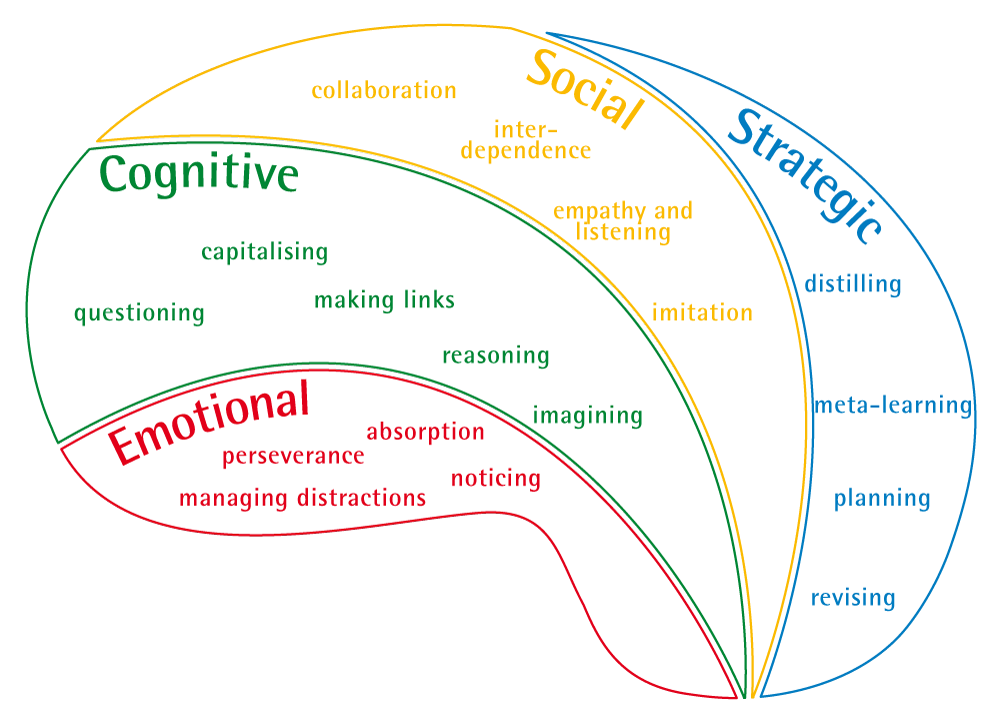


Continue Reading