Discovery: Outcome unspecified, success criteria unspecified, content unknown, has to be found
Enquiry:
outcome known but vague, success criteria broadly specified, content to be found
Assembly:
Given information, but hidden/obscure, have to make sense of it e.g. jigsaws, cut-ups, mysteries.
Manipulation
Given all the info to work with
Rank, sequence
Convert, create (make something new)
Synthesize, analyse, evaluate
Practise
Outcome, success criteria and content known
Big heading
The three stages of infusion
Stage 1
Teachers begin to use the idea of split-screen teaching. Pupils are made aware of both the content to be learned and the learning skills to be used, but there is little relationship between the two. The rest of the lesson is basically unchanged, although it might contain a bit of input from the teacher on the learning skill
The capacity is signalled, but not acted on
Stage 2
Teachers signal the content and the related skills. The lesson proceeds as it ever would, but the skill identified at the beginning is talked about at the end.
Signalled, related, but bolted on.
Stage 3
The content and related learning skills are signalled, and the skill is central to the delivery of the lesson. The pupils are aware of using the skill to help them to access the content more easily. Pupils are helped to reflect on how they are getting on with developing their skills, habits and attitudes as learners, and how they might improve.
The learning skill is signalled, related, drives the learning and distilled
Build in ‘wait time’ in Q&A sessions to give students time to think about your question before offering a response. The underlying message is that good answers take time to come up with and that the quick fire, knee-jerk response needs consideration. It promotes reflection and consideration over instant recall and reminds students that learning requires time and effort.
Encourage students to identify the cause of their stuckness. Move pupils from saying “I’m stuck” to ” I’m stuck because…” Naming the problem will often suggest a reasonable next step.
If pupils freeze when they are stuck, offer supportive questions not answers. ‘What do you do next?’, and when this has been done ask the question again. Such ‘support to continue’ prompts are seen as helpful by pupils. You are encouraging them to take over the job themselves and reminding them that uncertainty shouldn’t lead to paralysis. The advantage of asking questions over telling is that you are in a better position to monitor how pupils are learning when they are doing the explaining. Ask pupils how they might check their answers or why they think they are right or wrong. Have them work with each other on this to encourage a learning community rather than just teacher-pupil dialogues.
This team session is the final one in Nutshells phase 1. The format has been altered to accommodate the various evidence collection and analysis that team members may have been engaged in. NB All the review tools have a slot in this agenda. Simply select the ones that team members have used.
Agreeing objectives and the items to be covered (5mins)
Self reflection analysis (20mins)
Student voice assessment (20mins)
Learning Ambles (20mins)
Where next as a team and school? (15mins)
1. Session objectives
What do we want to achieve? (5 mins)
Share and unpick personal reflections on the ‘what and how well’ of our changing classrooms
Share and analyse our students’ views
Develop a common understanding of what is happening in our classrooms
Decide the strategic issues that emerge from the various reviews
2. Reflect on your changing practice
How far have I come? (20 mins)
Share everyone’s personal findings
People’s analysis of changes in practice using Culture Tool 1
People’s analysis of deeper classroom practice. Questionnaires
People’s analysis of changes in practice using the Pentagon
People’s analysis of changes in practice using the 3 baskets
Probe
What was getting in the way?
What seemed difficult?
What would make it easier?
What made things work particularly well?
What made something successful?
Ways in which everyone’s behaviour has changed.
3. Give students a voice
How well have students taken to this way of learning? What impact has it had on them? (20 mins)
Share everyone’s personal findings
People’s experience of talking with students about classroom culture
People’s reactions to and analysis of learning conversations with students
People’s experience of using the student questionnaires
Explore impact on students
What are students saying about the culture of classrooms?
Are there links between what they are saying/doing and the analysis and reflections that you have just undertaken?
Are there any surprises?
What seems to be working best?
4. Learn with and from colleagues
What are the variations on the learning culture theme and what can we learn from these variations? (20 mins)
Share findings from Learning Ambles
What are the similarities and differences in cultural elements of classrooms?
Why might this be?
Which of the ideas we have seen would we each like to imitate and/or see more widely spread?
Which variations do we think should be reduced?
6. Learning together
Where do we need to go next? (15 mins)
Distilling our thoughts and findings
Evaluations and reflections have focused on:
The extent to which our classroom cultures are learning friendly
The extent to which we have achieved a coherent learning culture across the school
The extent to which our classroom experiments have impacted on student learning behaviours
Key questions
What are the three most important aspects of culture shift in our classrooms?
What are the three most important differences in how our students are as learners ?
This section aims to answer the question “How have aspects of culture been interpreted differently in classrooms?”
About our learning walks
Learning Walks….well, more of an amble really.
Learning Walks are sometimes given a bad press and have been abandoned in some schools. We view such experiences as important professional development opportunities. However, we prefer to use the word ‘Amble’ rather than ‘Walk’ and stress that they are best undertaken in a spirit of curiosity, enquiry, ruminative discussion, evolving understanding. NOT monitoring or checking up.
How you organise such Ambles we leave to your team and the school. However, we would like to suggest that you each have an opportunity to visit other classrooms, preferably with other colleagues, when learning is in progress.
Some ‘how to’ reminders
For those of you who are about to amble, here are some ‘how to’ reminders.
Share any observation checklists with the teacher in advance
Meet for 5 mins beforehand if ambling with other colleagues to discuss the precise focus
Make sure your documented evidence is as free of judgement as is possible
Spend at least 15 minutes in each classroom
Don’t disrupt the learning in the classroom
Don’t chat to each other whilst in the classroom
Don’t make any judgemental comments
Meet outside the classroom afterwards for a quick learning conversation about what you saw
About the Amble tool
These are organised around the four dimensions of a learning culture and how learning is surfaced through each dimension. For example Surfacing learning by shifting relationships; Surfacing learning through language and talk.
Each of the first 8 sections (glimpses) of learning consist of two general cultural statements (in black) followed by statements in purple and blue which specifically reflect classroom action at that phase of development. Glimpses 9 and 10 show outcome statements for pupils at purple and blue phases.
Download the most appropriate tool for your amble
Learning Amble. Perseverance Culture. Purple and Blue.
Talk with your colleagues, and compare and contrast:
Are there any variations across year groups/phases?
Where were the gains largest? Smallest?
Which of the three learning behaviours are given the greatest attention?
Speculate why that might be.
To what extent are teachers’ comments focused to support pupils’ learning process?
To what extent are teachers using phase-appropriate language with their pupils, i.e. are grey to purple pupils hearing purple phase language?
Are any facets of Perseverance/Collaboration/Questioning receiving more attention than others, i.e. is there lots of talk about distractions, but little about getting unstuck?
And finally consider
What are the three most important things you have learned about the ability of pupils to talk about the learning process?
What are the three most important things you have learned about the fluidity of teacher talk about learning?
Make a note of…
Key points from your Learning Amble that you want to share in the team meeting
2.1 Activativing pupil voice: up close and personal
Asking students what they think …
Overview
Answering the question “To what extent have students discerned a culture shift in classrooms”.
Think about recording and analysing conversations
Before beginning to talk with students about learning, it might be worth organising a recording of what they say. You could use IRIS if the school has this technology, but a simple video camera will do the job. If everyone made such recordings they could be used further down the line to sense longitudinal change in your students’ ability to discuss the process of learning – whether they are becoming increasingly fluent in ‘talking learnish’.
Conversation protocols
Conduct conversations with a mixed group of about 6 students for about 15 minutes.
When conducting such conversations it will be important to:
Put students at ease
Explain what you are doing
Assure them that there are no right answers
Ask them to just answer honestly etc.
Follow up open-ended questions with prompts like
what makes you say that?
how do you know that?
how do you feel about that?
how often does that happen?
when does that happen? etc
Take care not to influence or lead
Try not to agree or disagree
Refrain from asking leading questions
Show empathy by saying ‘Yes I understand’
Check your understanding by “Do you mean…” “I’m not sure I understood that, are you saying…”
Avoid wandering by saying “Let’s move on to the next point/another idea”
Thank them for their time and thoughts at the end. Make them feel valued
Questions to ask
Key questions you might pose in the learning conversation (and/or add some of your own):
How would you describe most of your lessons?
Who does the majority of the work?
Who asks the questions ?
To what extent would you say your learning is active ? (this will need explanation from you about the differences between being cognitively active and cognitively passive. The question is not about being physically active)
Have you noticed any changes in how teachers organise your lessons recently?
Are you able to make some choices in your lessons?
How much of your time is spent learning on your own, and how much learning with others?
What do you do when you don’t know what to do / when you are stuck?
Do you enjoy doing things that you find challenging?
What advice would you give the school in order to improve the learning experience for you?
Important. Beforeundertaking the conversation please read the section ‘Analysing student responses’. This will help you to become aware of what you are hoping to glean from these conversations and hence make it easier to devise supplementary probing/exploratory questions to the ones above, as conversations unfold.
Analysing student responses:
Watch your recording, listening carefully to what and, importantly, how students are talking about learning and the shifts that they have perceived
Ask yourself:
How do my students perceive the culture of my classroom?
To what extent do students believe the culture is teacher focused?
Have they sensed a shift in recent months?
Do they prefer it now to previously?
How would they describe your classroom?
Do they believe they are able to exercise more choice than was previously the case?
Are they aware of what you have been trying to achieve?
Do responses indicate that students are aware of and prepared to accept a growing responsibility for their own learning?
Are they able to describe how they are better able to persevere now ?
Do they understand that work should be challenging, and do they enjoy this ?
What advice do they offer for further developments?
A chance to speculate
Had you conducted this learning conversation a year ago with the same students, what do you think the responses would have been?
Overall
What are students saying about learning and your classroom culture?
How convincingly are they saying it?
Are there links between what they are saying and the analysis and reflections that you have just undertaken?
Are there any surprises?
2.2 Activating pupil voice: at a distance
Using questionnaires
Pupils, of course, may see it a little differently. You can check out how their views of themselves as learners relate to your view of changes in practice. Invite your class to complete the quiz online. Older pupils will be able to do it for themselves, while younger ones will need to be talked through it by an adult.
The quizzes look at grey to purple (lacks to receive) and purple to blue phases of Perseverance, Collaboration and Questioning.
What are pupils learning about learning?
Make the Pupil Reaction review survey available on a computer in your classroom. Have the class complete it over the course of a day. Please ensure you select the survey tool that matches the Teacher Action tool you used (1 Grey to purple or 2 Purple to blue) There are 32 identical questionnaires pre-prepared. All pupils have to do is to type their names at the top of the questionnaire (or leave the generic [pupil 1] name), read the questions and put an x in the appropriate column.
Pupil Reaction review tool 1 – Grey to Purple
You can find this tool in the same Classroom Practice Review Review tool 1 excel spreadsheet as the Grey to Purple Teacher Action tool 1.
Pupil Reaction review tool 2 – Purple to blue
You can find this tool in the same Classroom Practice Review tool 2 excel spreadsheet as the Purple to Blue Teacher Action tool 2
Once you have collected your pupils’ views you can access a spreadsheet that combines your answers with pupils’ answers. to each of the 15 questions. The blue columns are your results and the red columns are pupil results. The taller the red column the more the pupil agrees with the statement. Look carefully at these intriguing results.
Ask yourself:
To what extent do my views and pupil views coincide?
Where are they different?
Why might that be?
Are differences in some way related to the three different learning behaviours (i.e. is there a stronger relationship for Perseverance (1-5) than for Collaboration (6-10) for example)?
Do pupil results match my feeling for how they are progressing in their learning behaviours? (See questions in Task 4)
Are differences due to pupils having, in my opinion, an unrealistic/inaccurate view of themselves as learners?
If so, which learners have this unrealistic view? Is there a gender bias? Attainment bias?
What might I need to do to alter/improve these unrealistic/inaccurate views?
Make a note of…
What you think are the three most important differences in how your pupils are as Perseverers, Collaborators and Questioners
An essential aspect of a community of enquiry, of which you are a part, is keeping practice under review and researching the effects of changing practice. This accurate and continual self-reflection gives you and the school a real picture of itself as a learning organisation and the information can used to plan further improvement action.
Here you ask yourself “How far have I come in relation to
1a working towards a secure learner centred classroom culture ( Culture Tool 1)
1b looking back and getting closer to the action
1c consider which of your enquiries was most successful
1d make an overall assessment of the changes you have made
1a Culture tool 1
Towards learner centred classrooms …
Overview
In the first session of this programme you looked at the idea of a learning friendly classroom culture. You explored the differences between teacher centred, learner centred and learning centred classrooms. Here are some quick reminders of these cultures.
Teacher centred classrooms
Many classrooms could be thought of as teacher centred. Here the overriding emphasis is on what the teacher is doing or saying. Learners have little to do but listen and be told what to do. Students have a ‘thin’ view of themselves as learners.
Learner centred classrooms
The learner centred classroom is where students take a more active part in deciding what to do. Here there is more collaborative learning where students have dialogues about what they are learning and create meaning together.
Learning centred classrooms
Here a language about learning itself is added for students and teachers alike, and learners practise reflecting on the learning process. Students come to see themselves as learners, develop stories about their experiences, understand the learning behaviours they are using and develop and propose improvements. They consciously grow their learning habits.
Now try this
How learning positive is my classroom culture?
Download a copy of Culture Tool 1. Spend a little time thinking about your own classroom culture against the indicators for the three classroom cultures. Where would you say your classroom culture is now?
Now find the highlighting you did when you first used this tool. If you have lost it just take your memory back to where you were then and imagine how you probably completed it.
Is this progress in the aspects I decided to focus on ‘way back then’?
To what extent has my working on Nutshells modules helped to nudge the classroom culture in learning positive ways?
On which aspects do I wish I had made more progress?
What broad aspect of learning culture needs further improvement / development in my classroom?
1b. Looking back: getting closer to the action
Overview
It’s time now to ask yourself some harder edged questions that link directly with the three key learning behaviours you have been working on in the last few months. Below you will find a questionnaire that identifies the type of actions you may have taken in pursuit of a more learning friendly classroom. This teacher action questionnaire is linked to a pupil re-action questionnaire in Section 2.2. Take a look and try it out and reflect on the results.
What detailed changes have I routinised?
The questionnaires below suggest the type of actions you may be taking in your classroom by way of introducing and enhancing pupils’ use of the three key behaviours. If you have been working mainly in the grey to purple phases (Lacks to Receives) select Tool 1. If you have been working at the purple to blue phases then select Tool 2
The first two sheets of the tools form the Teacher Action Review Tool. The review tool has 15 questions: 5 for each of the three learning behaviours. You are invited to estimate how much/often you use or referto these strategies – how much they have become routinised. Completing it is easy. The tool is available in Excel format. The Excel spreadsheet file will present your results as graphs for your analysis (see below), and will also generate graphs linking with the pupils’ results (see Section 2.2).
When you have completed the questionnaire you can access your results as a chart in the excel spreadsheet.
The blue columns show the strength of your answers. The higher the column the more you feel you have routinised this feature in your classroom. The statements below show the aspect of learning power the question was getting at. Questions 1-5 relate to Perseverance, 6-10 to Collaboration, 10-15 to Questioning.
Ask yourself
Which leaning behaviour do I seem to have routinised most?
Are these the ones I intentionally set out to work on with my pupils?
Which learning behaviour do I seem to have routinised least?
Which individual aspect(s) of each learning behaviour (collection of 5 questions) have I made most progress with?
Is there any evidence that progress takes time (i.e. that I have made more progress with Perseverance, which was tackled first, than with Questioning, which was third)?
Or is it the other way round? (The most recent ones are showing progress, but the impact of the earlier ones is beginning to evaporate?)
What are your answers telling you?
Make a note of…
Key answers to the questions above
Aspects of your changing practice that the questions seem not to cover, i.e. things the quiz has missed out.
The extent to which answers to these questions illustrate the thrust of the changes you made ( i.e. Which the quiz has missed.)
1c and d Analysis and Evaluation
Take a step back …
Here you ask yourself “How far have I come in relation to
1c my enquiries that were most successful
1d make an overall evaluation of the changes you have made
Analyse your changes in practice
Looking back on enabling learning cultures
Look more closely at what you have changed about your way of working in order to improve students’ independence as a learner.
Look back at your learning enquiry plans.
Take a helicopter view of what you have been doing.
Download the pentagon and think about:
Things you started doing that you hadn’t done previously
Things that you stopped doing in order to shift the culture
Things you did more often and less often in order to hone the culture
Things you were already doing and kept on doing because they were on the right track
How might Perseverance grow? What are the phases of development?
Here is our interpretation of how Perseverance might grow.
About…
Of course the development of Perseverance does not grow neatly up each column or evenly across the phases in the chart. The five broad phases of dispositional growth (purple – orange) are affective ways in which people may be inclined to behave: we call this inclination ‘mindedness’.
What do the phases mean
The phases are drawn from Bloom’s taxonomy of the affective domain.
Phase ‘Receives’ (purple) is about doing something because you are told or expected to.In self talk student may say ‘Show me or tell me”
Phase ‘Responds’ (blue) is about gaining interest and doing things more willingly. This might translate to “I’ll try” in student self talk
Phase ‘Values’ (green) is a key phase since the student now sees the value of behaving in this way. It’s a win for them; to behave like this is in their interest. It’s in this phase that the behaviour becomes more secure. In self talk this might translate into “I see why”
Phase ‘Organises’ (yellow) is the phase in which the student capitalises on this ‘in their interest’ behaviour and gets themselves organised to use it positively. In student self talk this might translate into “I’ll make sure I do”.
Phase ‘Embodies’ (orange), known as ‘characterised’ in the original taxonomy. In this phase the student has made this behaviour their own. It has become part of their character; they can’t not do it and they have become highly skilled in doing it. In student self talk this might translate into “I can’t not do”.
We urge you to see this progression as long term. Some phases will take years for people to work through; some will never be worked through. None of the phases are inevitable. There is a lifetime of development captured here. Nevertheless the role of a teacher or parent should surely be to encourage and enable this journey.
Lacks: Minded to give up easily and/or be needy for support
In this ‘Lacks’ (grey) phase, students are minded to give up easily. There are all sorts of reasons for this; they may just be constantly distracted from the activity in hand; they may just need constant support from an adult; they may not know which resource might help them or they simply don’t know what stuck means, let alone how to get unstuck. Most students will need to be eased into learning how to learn in a classroom setting and how/what perseverant learners behave/do.
Receives: Minded to seek to stay in their comfort zone
In the Receives (purple) phase, students have made a big leap from having a ‘not know about’ mindset to a more knowledgable one. Here they are inclined to play it safe, staying within their own comfort zone to ensure success and avoid perceived failure. They still need adult support to maintain focus and optimism when tackling tasks they perceive as difficult, but beginning to show willing to take more responsibility.
Responds: Minded to be willing to believe that effort will pay off
In the Responds (blue) phase students develop greater independence and are motivated by trying to reach achievable goals. They are realising that fear, the need for adult support, and distraction can be overcome by having/using more coping strategies and practical ideas to get them unstuck. They are picking up their tools for learning.
Values: Minded to recognise the point of persevering in learning
In the Values (green) phase the student has developed a strong belief that they can get better at learning. They become curious about mistakes and care about the goals they are trying to reach. They develop and use many practical strategies to assist them in dealing with challenge, being stuck and staying focused. They have realised that by using these strategies they are doing better; behaving in this way is a win for them.
Organises: Minded to learn how to persevere more productively
In the Organises (yellow) phase the student organises themselves to get the job/task/problem done. Risk-taking is underpinned by sound strategies. Failures are analysed for greater understanding. They have accepted responsibility for their behaviour. They have turned knowing the value of using the strategies into organising themselves to use them more generally.
Embodies: Minded to see persevering as a way of being
In the Embodies (orange) phase, student behaviour is pervasive and consistent, predictable and importantly characteristic of the learner. Persevering effectively i.e. using all the contributory aspects, is now part of their character.
Questions
What do you think?
What has struck you about becoming more Perseverant having read the descriptions above?
Which phase do you operate in?
What makes you say that?
Make a note of…
What you might do to assist your students to make headway in their Perseverance behaviour.
Any practical ideas the text has triggered.
Putting it all together – How perseverance might grow when we nurture it
Here you can explore the big picture of perseverance, what it consists of and how it grows. Take a look at the chart and think about what it might mean for you.
Look
Being perseverant isn’t something that switches on on good days and off on bad days. Perseverance grows and builds when it’s nurtured and supported. Furthermore, being perseverant involves gaining control of a range of linked skills and emotions.
Take a look at how progression in Perseverance might grow across six components..
Think
Does this make any sense?
What do I like about this?
What else do I need to find out?
Wonder
What has this chart got to do with me as a teacher?
Are these phases just an inevitable part of growing up?
Read ‘Your role in Building Perseverance’ in the next section to find out more.
What could I do differently to ensure my students benefit from a ‘stuck friendly’ culture?
In the tab boxes below you will find the activities shown in section 2 re-grouped. This grouping enables you to look at one type of teacher behaviour shift across all student development phases. Basically it shows the subtle behaviour changes you will need to make in order to build your students’ behaviours.
The four shifts in teacher behaviour:
how you relate to students
how you talk to/with students
how you construct learning opportunities
how you celebrate learning
Have a rummage through the tabs to see what you can find. As you do, keep in mind what your students do now when they are stuck. Think about, what do you want them to be able to do that they can’t or don’t do now?
This dimension of the learning friendly classroom concerns learning gradually becoming a shared responsibility;
As a teacher you will be giving students more responsibility for their own learning by;
acting as a learningcoach, gradually enabling students to find their own ways to improve
focusing collaborative activity to help students to see each other as resources for learning
offering students choices about what and how to learn
enabling students to talk more, with you talking less
modelling being a learner
surfacing and promoting the processes of learning itself.
Shifting responsibility for learning ensures students recognise, use, understand and grow their learning habits.
The classroom gradually becomes a learning community where everyone is learning from each other and growing more confident as learners as a result.
Organisation of ideas below
The ideas below have been included for their effectiveness in helping to unhook teacher-student dependency and shift more responsibility for learning to students. The coloured lines bounding each idea suggest the progression phase of ‘unsticking’ the ideas might best secure.
From Lacks to Receives. ( From ‘I can’t’ or ‘I wont’ to ‘Show me’ or ‘Tell me’)
Aids to help shift responsibility for learning
How you relate to your students; gradually sharing more of the responsibility for learning with them
#1 Introduce the idea of being stuck
Adopt a character (ages 4-10)
‘Adopt’ a character – real, imaginary, human or animal – who exhibits the best features of persevering with being stuck. Talk about the character until your children become familiar with its attributes. When you have set a group to work on a particular task – numeracy, reading, writing etc., leave this character (actual or picture) on their table as a reminder of ‘what to do when you don’t know what to do’.
Show an animation (ages 4-10)
1 minute animation to illustrate an aspect of Perseverance.
Use it to talk about trying other ways to achieve what you want to do.
It’s about shifting responsibility for learning to the learner.
Make your own class animations for different aspects of Perseverance.
Try a quick activity (ages 8-12)
NB. Please read Perseverance for Resilience.
A 5 minute activity to introduce students to broad ideas of stuck and perseverance
When first introducing the concept of a learning behaviour…being stuck, dealing with challenge, reasoning, questioning and so forth… it’s important to make it a big, bold and brash affair. These introductory images or activities are the important hook(s) that fire student’s imaginations and help them combat their more usual response to it . In other words it’s not about whispering that being stuck is an interesting place it needs to be shouted about, sung about, storied, played with etc. otherwise students will not believe this new framing.
#2 Re-frame being stuck: explore learning to overcome a struggle
The Learning Pit: from stuck to struggle
Use the ‘Learning Pit’ as a means of opening up a conversation around the feelings involved with being stuck, and the journey towards getting unstuck – the struggle. It is essential that students know:
that the ‘pit’ is only one staging post on the learning journey
they can get out by using ‘stuck strategies’ and tools
It is also worth noting that the pit is not necessarily inevitable for all students in all learning – some will fly over the pit in some topics or curriculum areas.
The ability to cope with and overcome difficulty and challenge is a key aspect becoming a successful learner.
James Nottingham introduced the idea of the Learning Pit as a way to explain that struggling is part of learning and that if we are to understand something we need to struggle with it first. Students move from unconsciously incompetent (an emotionally ‘safe’ area before learning), to consciously incompetent (the emotionally tricky “pit”), to consciously competent (the far side, after the learning has happened).
Roy Leighton uses a similar concept, which he refers to as the ‘Learning Line’, as part of his ‘Butterfly model’. Find out more here
#3 Model being stuck
Unstuck demo
Show students how you personally get stuck, and what strategies you have for getting unstuck, by demonstrating a piece of tricky learning. The idea is that sharing these experiences encourages students to imitate getting unstuck.
One of the first ways of surfacing learning, putting it on show, is to focus on how you are modelling being a good learner to students. Modelling is all the ways in which teachers demonstrate how they are a learner too; a confident finder-outer.
Take your students behind the scenes of learning and sharing with them some of the uncertain thinking of learning.
Learning aloud is a good place to start: take students through how you would work out a problem. Modelling the thought processes (including emotional) that learners go through is important because a lot of the skill of learning only manifests itself in the inner world of the learner.
Expose the thinking, feeling and decision making of a learner-in-action to help students actually see and hear how learning works.
#4 Learn together: introduce ways of getting unstuck
Develop ‘stuck prompts’ together.
Work with students to find useful questions for them to ask themselves and helpful strategies for them to use when they are stuck.
Ensure that there are plenty of options that come higher on the list than “Ask the teacher”.
Every classroom needs stuck prompts in one form or another.
They could be of a general nature or made relevant to a subject or topic.
It’s important to ensure they ‘grow up’ through the school, reflecting the curriculum expectations. In essence they represent the level of independence expected at different stages.
Extract from Building Learning Power in Action, by Sarah Gornall, Maryl Chambers, Guy Claxton
Building Learning Power in Action
So-called ‘Stuck posters’ or prompts come in various shapes and sizes, but essentially they are simply home-made lists of what students can try when they get stuck with their learning: ‘Read the question again’, ‘Split the question into smaller bits’, ‘Try sounding the word out letter by letter’, ‘Ask your neighbour’ — that kind of thing. If the teacher were simply to photocopy the list from a L2L manual and stick it on the wall it wouldn’t work. But in a learning powered classroom, the ideas are generated by the students themselves, and are the subject of continual debate and refinement.
“Instead of simply dishing out more good advice to students-as-consumers, classrooms are becoming places of day-by-day knowledge generation about learning”
Students are challenged to produce a continual stream of ever more sophisticated ideas about how they can boot-strap their own ability to be independent learners, and these are accumulated and displayed as ever-expanding public records of their achievement. To begin with, the teacher trains the students to make use of this information by greeting every request for prompting with; ‘Have you looked at the prompts?’ After a while, looking at the prompts becomes routine, and eventually, when the habit of self-unsticking becomes second nature, even prompts become redundant. It does not take long before ‘Ask the teacher’ becomes a last-ditch strategy, to be engaged only when all else has failed.
By contrast, when effort becomes seen as natural and interesting, the habit of perseverance expands, and a subtle but powerful shift in the classroom atmosphere begins to occur. It is in this kind of way that learning pow moves up a gear, from the technical to the cultural. In a sense the STUCK poster is a stand-alone technique, but it can be much more than that if the teacher wants it to be. It can be used as an effective, low-risk, low-investment lever for creating a shift in students’ sense of what is valued, what is normal, and what is the point of their learning — and thus in the quality of their engagement.
From Receives to Responds. ( From ‘ Show me or ‘Tell me’ to ‘I’ll try’.)
#1 Introduce deeper ways of getting unstuck
‘If – then’ display example, Heathcoat Primary school Tiverton
Put ‘If-then’ planning into action in your classroom to make stuck solutions more specific and personal
If we want students to change their behaviour we need to help them to think much more closely about the ‘hows’ and the ‘whats’.
Motivation research proposes an effective solution to this called ‘if-then’ planning.
‘Ifs’ are the situations you want to remind yourself about. In the case getting unstuck it’s useful to list all the sorts of places this tends happen
‘Thens’ are what you will do about something; the action you will take. Brainstorm a list of the ‘what we might do in response to the Ifs’.
Research on motivation and goals from Harvard University shows how our brains work to achieve our goals. Basically it says that goals need to be very clear and our brain ignores a goal if it’s unclear about what to do. Brains act on goals only when what to do is clear.
So, goals like ‘Lose weight’ or ‘Exercise more often‘ or even ” I want to feel ok about being stuck‘ are too nebulous. They beg the question ‘how’ or ‘what do I do?’
The how to ‘If-then’ planning
When setting a goal you need to specify not only what you will do but also where and when you will do it.
If (or when) [___situation__], then I will do [___behaviour__]
So going back to our goal about losing weight, we need to know much more about the ‘how’ and the ‘what’ and the ‘how to’ of losing weight.
An If-then statement or goal might be ‘If I get the pudding menu, then I’ll ask for coffee’.
This may sound a bit cumbersome to start with but research suggests far more goals are achieved by using ‘if-then’ planning. And the clever bit is that this builds self talk at the same time. You do what you are telling yourself to do.
The ‘if-then’ plan succeeds because the situation and the action become linked in the mind. The brain recognises the situation as an opportunity to advance the goal. When the situation is detected action is initiated automatically. “If-then’ plans become “instant habits”.
Goal: I want to feel okay about being stuck
If…
…I get stuck in my reading (all the stuck places will need specifying)…
…I get stuck in Maths (specify how you might get stuck)…
…I get into tricky situations in the playground (specify tricky)…
Then…
…I will (Some specific statements to unstick themselves)
#2 Use short reminders to encourage self reliance.
These routines put responsibility on students to do things for themselves before asking the teacher for help.
C3B4Me can be used in conjunction with the stuck posters displayed in the classroom. Students should try three strategies from their stuck posters before seeking help from the teacher.
Another alternative to the stuck poster, BBBBB invites students to:
use their Brain
check in “the Book” (or other resources). This implies that students are allowed to get out of their seats to find these resources, and that those resources are available.
look on the (White/Smart)Board
ask their partner/friend/another student (“Buddy”)
before finally turning to the ‘Boss’ (teacher) for help.
From Responds to Values. ( From ‘I’ll try’ to ‘I see why’.)
#1 Introduce and model different types of being stuck
In this phase it may be useful to identify and model several forms of being stuck. What sort of stuck is it? Do different sorts of being stuck call for different strategies?
You could turn any one of these questions into an ‘If, then’ statement:
If I have forgotten the next step in a process, then I’ll…
We leave it to you to discover other ways of being stuck with your students and to model your way out of them.
#2 Learning from each other
Try Stuck Show and Tell. Simply ask students to share their best stuck episode i.e. the one that seemed tricky but taught them the most (in school or elsewhere). You might profitably start by modelling your own example.
From Values to Organises. ( From ‘I see why’ to ‘I make sure I do’.)
#1 Introducing a deeper way of looking at being stuck
In this phase we are not talking about modelling getting unstuck on a problem where you may simply have forgotten a step. Nor is this process driven primarily by subject knowledge. Here the analysis is about what you might ask yourself when you are in a major stuck problem and need to rethink what you are doing in order to restart, tweak, or give up.
10 points to explore;
Can I explain to myself what’s really going on here?
Am I keeping to the original intention?
Have I read and understood the question/problem properly?
Am I applying the right principles? Have I got roughly the right ideas?
Does anything stand out as simply wrong?
Have I forgotten something obvious?
Have I veered off course? Am I down a rabbit hole?
Am I making this too complicated? or too simple? Do I need to go back to basics?
What would a distilled list of key stages or points look like?
Is this worth continuing with in this way? Why/why not? What could I do instead?
Undertaking this analysis relies on the students’ inclination to;
Self-monitor how things are going, keeping an eye on the goal
Expect the unexpected, having a readiness to re-shape, re-order, re-form plans to take account of new circumstances.
Remain alive to new, unforeseen opportunities and ideas
Look at what you are doing with a critical eye
Strive to be the best you can be
Make sure things are on track and make improvements along the way.
So at a less abstract level, students need to learn how to deal with change, emotionally and practically. With an inflexible frame of mind they are unlikely to recognise the need to change their ideas or the way they do something. These behaviours are closely aligned with the revising/refining habit.
#2 Model taking the panic out of assessing a major stuck problem
The following suggestions have their origins in Mindfulness. Here the analysis of finding a way out of being in a major stuck crisis is put into a series of considered calming steps. You may still have to restart, tweak or abort your project but hopefully after careful rather than chaotic thought.
‘In order to act wisely, we need to access both clear insight and decisive action. Insight without action is impotent; action without insight is reckless.’ Michael Chender
Entering or starting- do nothing, pause, be willing to look afresh, allow the situation to reveal itself.
Exploring – slow down, look at the challenge/ difficulties with genuine curiosity. Think about the problem in different ways, See list in #1 above. e.g.
split the problem into parts, try pro and con analyses
take a step back and look at the bigger picture, look for patterns, influences. root causes.
use gut instinct -‘ there’s something off here ‘
read the signs – ask ‘have I been here before?’, ‘what do I recognise from previously?’
let things brew for a while before moving from broad openness (observation) to determined action.
Acting “Not-knowing” changes to knowing; confidence in committing to a course of action. Put your considered new ideas/plan into action.
Refining – work with the initial feedback you are getting as a result of your action to deepen the effectiveness of what you have done. Keep to your intention but look for genuinely useful feedback to refine your new course of action.
Letting Go. Don’t keep replaying your action decisions. Time to say ‘That’s done, what’s next?’
To see more on Chender’s thoughts on acting wisely, visit the Mindful website.
Talk for learning
This dimension of the learning friendly classroom concerns using the language of learning;
As a teacher you will be;
using language to explore learning as an explicit theme that runs across all subject matter.
talking about learning in terms of constant change; experimental, working towards, constant improvement, flexibility, could be.
prompting in the form of questions to nudge pupils into thinking for themselves. “That’s curious. What’s odd about that? What does that make you wonder?”
focusing questions on the process of learning, encouraging students to slow down, appraise the strategies and steps along the way, become more thoughtful and explore different strategies for making progress.
aware of positive and negative student self talk and building positive talk by giving them the knowledge and experience of the learning behaviours ( the tools) with which they learn.
The more richly children come to relate their own learning the more they see and take hold of their own role in it.
Organisation of ideas below
The ideas below have been selected for their effectiveness in helping to surface the learning process and deepen the language of learning .
From Lacks to Receives. ( From ‘I can’t’ or ‘I want’ to ‘Show me’ or ‘Tell me’)
Talk for learning
#1 Talk to reframe being stuck
Moving students on from “I can’t” to “Show me…”
Try this type of shifting-mindset language:
Being stuck is a good place to be.
Getting stuck means your brain is working hard on something new.
When you learn new things your brain gets bigger.
If you don’t get stuck you’re probably not learning anything new
Getting stuck is good for you.
It’s not too hard, it’s just a bit tricky right now.
When you say you can’t do this, just add ‘yet’
Being stuck means you are about to discover something new
#2 Talk to explore the feelings of being stuck
Build positive associations with being stuck
Discuss places where students may get stuck because it gives ‘being stuck’ a status. Through such discussions make sure you signal to students that being stuck is a good thing; it probably means they are at an interesting place in learning, or on the brink of discovering or learning something new.
Try creating a wordle with your students, using the words they associate with being stuck. If it is negative introduce a new ‘stuck positive’ language.
#3 Talk to nudge improvement in the skill.
Unstuck Phrases
Encourage students to become more interested in difficulty and develop strategies to deal with stuckness. Use phrases like:
Have a go yourself. I think you can do this.
Which of your friends might you ask?
Have you looked at the stuck prompts?
Well done for sticking at it by yourself.
What have you already tried? What else might work?
Which ideas on the stuck prompts might work here?
There are some good ideas on the learning wall you could try
The language of learning can help teachers to think about how they might talk in a way that helps to cultivate the learning behaviours and help pupils to gain a better personalised understanding of content.
Teachers can turn each of the learning habits into sets of casual prompts or nudges to move pupils along in learning. For example, to nudge curiosity/questioning: “What’s odd about that? What does that make you wonder? What do you want to find out? How else could you do that?”
Teachers’ classroom talk is all focused on the process and experience of learning itself. Sometimes teacher comments encourage pupils to pay attention to how they are learning. Teacher comments ask them to slow down and notice and appraise the strategies and steps they are using along the way. E.g. “What would have made this easier for you? Where else could you use that?” This helps pupils to become more reflective and thoughtful about their own learning.
#4 Talk to reflect on getting unstuck
Some questions you might use to encourage your students to reflect on and think meta-cognitively about stuckness:
When you got stuck what did you do?
And then what did you do?
Did that help you get unstuck?
What usually helps you get unstuck?
What’s your favourite way of getting unstuck?
What’s your best way of getting unstuck?
What other ways might you try?
From Receives to Responds. ( From ‘ Show me or ‘Tell me’ to ‘I’ll try’.)
#1 Talk to reframe ‘stuck’
From ‘I’m stuck ‘ To ‘I’m stuck because …’
Encourage students to identify the cause of their stuckness. Move students from saying “I’m stuck” to ” I’m stuck because…” Naming the problem will often suggest a reasonable next step.
It’s also useful at this stage to insist that students can’t call themselves ‘stuck’ unless they have tried to apply at least 1 solution.
#2 Talk to explore: the consequences of giving up
Two paths
Once a year or so, explore the notion of ‘giving up’.
Introduce a character struggling to learning a new skill. Pictures are a good starting point.
Encourage students to discuss how the character is feeling and what he or she might do (give up or persevere).
Explore the feelings and consequences of the two options – giving up or persevering.
Ask students to come up with their own examples and draw pictures or describe the potential consequences of giving up or persevering in these scenarios.
Uncover the emotions of being and overcoming ‘stuck’
Explore and contrast the feelings of being stuck with those of overcoming stuckness. Use the positive feelings of ‘unstuck’ as springboard for developing ‘stuck strategies’.
Take a look at how a teacher at Arkholme primary school approached the ‘stuck’ issue by exploring the pupils’ emotions.
A Yr 5 teacher from Arkholme Primary school near Lancaster explained STUCK by exploring it for real with her pupils. First she asked how they felt when they got stuck….. Take a look at the wide range of negative emotions being stuck seems to generate in pupils
Then she explored what led the pupils into getting get stuck…..a fairly predictable content driven set of ideas here
Then she explored what the children felt like when they overcame being stuck……..another great range of emotions; this time positive
Then the class discussed what they might do to get unstuck, and charted their ideas for everyone to use!!
#4 Talk to nudge improvement in the skill: self recovery from ‘stuck’
Support to continue: questions not answers
If students freeze when they are stuck, offer supportive questions not answers. A basic support to continue is ‘What do you do next?’, and when this has been done ask the question again.
To extend the ‘support to continue’ approach, try using phrases like:
What have you already tried? What else might work?
What did you do when you got stuck before?
I wonder what you did to move on?
How about taking a short break and coming back to it later.
Have you looked at the stuck prompts ?
Who seems to be managing this ok ? What are they doing
I can see that [this task] us important to you. Well done for keeping going.
‘Support to continue’ prompts are seen as helpful by pupils. You are encouraging them to take over the job themselves and reminding them that uncertainty shouldn’t lead to paralysis.
The advantage of asking questions over telling is that you are in a better position to monitor how students are learning when they are doing the explaining. Ask students how they might check their answers or why they think they are right or wrong. Have them work with each other on this to encourage a learning community rather than just teacher-student dialogues.
“Expert tutors often do not help very much. They hang back, letting the student manage as much as possible. And when things go awry, rather than help directly they raise questions: ‘Could you explain this step again? How did you… ?’” (Mark Lepper)
When we are curious we are genuinely interested in learning. Curiosity lies at the heart of coaching, hence coaches are effective listeners and ask questions to open dialogue without sounding like an interrogation. Coaching aims to enable people to see what they are doing more clearly and discover their own ways to improve. A coaching approach:
helps people to explore their challenges, problems and goals
provides an objective view of peoples actions to enable them to see things as as they really are
enhances motivation and raises self esteem
builds curiosity and encourages learning
Above all, coaches resist offering solutions. Offering solutions does little to secure learning as the pupil hasn’t been allowed to confront and engage with the problem and find their way forward. Learning powered teachers adopt a coaching role.
From Responds to Values. ( From ‘I’ll try’ to ‘I see why’.)
#1 Talk to explore: written feedback to provoke curiosity
Supportive marking comments
There’s only one stuck point here. Can you find it? I can see that you have remembered two earlier stuck points and used them to work this out …
#2 Talk to nudge improvement in the skill
Encouraging pupils to slow down, notice, and appraise strategies and steps.
Become curious about being stuck.
Give it a go, you can always try another approach if that doesn’t work.
What could you do if it goes wrong?
Where will you seek help from?
Is this sufficiently challenging for you?
How are you planning to go about it?
Do you have any fall-back plans?
From Values to Organises. ( From ‘I see why’ to ‘I make sure I do’.)
#1 Talk to nudge improvement in the skill
Enabling pupils to become reflective and thoughtful about learning.
Analyse risks and strategies for ‘high-level’ work. Ask:
Which of your many strategies might you use here?
I’m sure that you can sort that out for yourself.
Have you thought about the pros and cons of this way of working?
What will you lose if you tried it this way?
You risk analysis paid off there.
#2 Talk to reflect on being stuck
Supportive marking comments
How do you plan to work yourself out of this situation? `What might help? I noticed you used the … strategy to help you here. It worked!
Constructing learning lessons
This dimension of the learning friendly classroom concerns how you design learning episodes/lessons/projects;
As a teacher you will be:
building reflection on and reviewing of learning into the rhythms of the classroom
designing learning activities with a dual focus; coupling the exploration of content with stretching students’ ability to use learning behaviours.
enabling students to make conscious choices about;
the level of learning stretch they feel able to work at.
adding a third dimension to your teaching:
1. Subject matter,
2. Assessment
3. The learning behaviours being used in order to learn the content.
Organisation of ideas below
The ideas below have been selected for their effectiveness in helping surface the learning process. The coloured lines bounding each idea suggest the phase of unsticking growth when they might best be introduced.
From Lacks to Receives. ( From ‘I can’t’ or ‘I want’ to ‘Show me’ or ‘Tell me’)
#1 Coupling content and process
Give being stuck more status by planning to get students stuck
Start some lessons with something like:
In this lesson I’m expecting you to get stuck.
When you get stuck take a look at the unsticking prompts on your table to see if these help you to get unstuck.
Later we will spend a few minutes talking about what we learned from being stuck and decide which unsticking idea worked best.
The explicit message is that students need to expect being stuck during any lesson. The implicit message is that being stuck is a good thing – something you want to see. Using this technique regularly means students come to accept being stuck as a natural part of learning. It begins to build their curiosity about the why and possible patterns to stuckness.
#2 Reflect on dealing with being stuck
Make reflection on being stuck part of the daily or lesson routine. This display from Miriam Lord primary school in Bradford shows a range of discussion cards which the teacher uses with specific groups of students during or at the end of a day.
The questions include;
Today I have learned….
Today I have tried to…
My biggest success today has been….
What will your tell your family when they ask ‘What did you do at school today’?
The most important thing I have learned today.
Has something inspired you today?
You could easily incorporate some of the ‘Talk to reflect’ questions ( see #4 above)
What other sorts of questions would you include in such a selection for your classroom. Something about asking good questions or how they got themselves unstuck would be useful. This exercise makes a good start on introducing meta-cognitive behaviours more generally.
From Receives to Responds. ( From ‘ Show me or ‘Tell me’ to ‘I’ll try’.)
#1 Coupling content with process: building getting stuck into lessons
Plan to get students stuck
Start some lessons with something like:
In this lesson I expect you to get stuck 3 times.
If you get half-way through and haven’t become stuck move to more challenging activities.
When you get stuck make a note and try to explain to yourself why you are stuck at that point.
Later in the lesson we will spend a few minutes reflecting on what we learned from being stuck and decide which strategy worked best.
The explicit message is that students need to expect being stuck during the lesson. The implicit message is that being stuck is a good thing – something you want to see. Using this technique regularly means students come to accept being stuck as a natural part of learning. It begins to build their curiosity about the why and possible patterns to stuckness.
#2 Coupling content with process: turning getting unstuck into a co-operative activity.
Who wants to be a Millionaire?
During the popularity of the television quiz show Who Wants to Be a Millionaire?, teachers called these sorts of prompts the students’ ‘lifelines’ which, just like ‘Phone a friend’ or ‘Ask the audience’, they can use when they are stuck or unsure. At the end of lessons, the class can review who used which lifelines, how many times, and which were the most popular or successful.
The class can make up its own rules, like ‘You have to have used “Read the prompts” and “Ask a friend” before you can use “Ask the teacher”.’ ‘You can have three designated friends (or learning buddies), but you can’t use any one of them more than twice in any lesson.’
An idea to use now and again throughout the year.
#3 Reflecting on being stuck
Questions you can ask your students include:
How much more have we learned by getting unstuck?
If you get stuck what different ideas can you try?
Tell me where you got to. What could we try next to move on?
From Responds to Values. ( From ‘I’ll try’ to ‘I see why’.)
#1 Coupling content and process: build thinking routines into the fabric of lessons
Visible Thinking Routine
What do I know? What do I need to know?
What techniques do I have for bridging the gap?
This helps students to develop their own internal dialogue for combating stuck-ness.
VTRs are, as they say, simple routines that apply across a wide range of subjects and contexts, and which require students to think in a variety of different ways, that are used so regularly by teachers that they become woven into the fabric of the classroom culture and progressively hard-wired into the thinking practices of students.These are ways in which different ways of thinking can become routine in classrooms. They become part of the learning culture.
To be effective such routines need to be;
Direct, guide, support, encourage thinking
Short, memorable, few steps
Used over and over again
Useful in a variety of contexts
Facilitate connections, generating ideas, using knowledge
Find out more: Google ‘Visible thinking routines’
Build trial and improvement into lessons
Trial and Improvement; promote the idea that being stuck is okay. If students know we expect them to try things out, make slip-ups and have another go, their perception of being stuck is likely to turn to curiosity. Weave trial and improvement into lessons by, for example: –
Include a trial and improvement success criterion when asking students to complete an activity or create a piece of work. For example: I want to see evidence that you have tried and improved at least a couple of different layouts before settling on…
Include a designated focused trial and improvement time in lessons; time to test out ideas. Use scrap paper, mini whiteboards or rough books. Include opportunities for discussion space to encourage editing, refining and clarifying of thinking
Mark the working out that students do. Extend this common in maths idea across the curriculum.
Since we want young people to turn out to be robust confident learners we have to talk with them in terms of a growth mindset.
Teachers develop their students’ interest in the learnable skills and strategies.
Teacher comments focus on effort, habit and disposition, focusing students on how to get better by looking for ways to try harder or differently.
Students are steered away from carving the world into things they are ‘good at’ or ‘not good at’.
#2 Reflection
You could nudge your students to ask themselves:
What advice would I give to someone who wanted to give up?
Why is being stuck good?
Have I selected the most useful way of getting unstuck?
Why did that idea work/not work?
From Values to Organises. ( From ‘I see why’ to ‘I make sure I do’.)
#1 Reflection on dealing with getting unstuck
Provide the list of 10 questions about stuckness for students to refer to throughout a tricky lesson. Build in time at the end of the lesson for students to look at the list of 10 questions about stuckness.
Can I explain to myself what’s really going on here?
Am I keeping to the original intention?
Have I read and understood the question/problem properly?
Am I applying the right principles? Have I got roughly the right ideas?
Does anything stand out as simply wrong?
Have I forgotten something obvious?
Have I veered off course? Am I down a rabbit hole?
Am I making this too complicated? or too simple? Do I need to go back to basics?
What would a distilled list of key stages or points look like?
Is this worth continuing with in this way? Why/why not? What could I do instead?
Build in time at the end of the lesson for students to ask themselves “Which of these questions did I find most useful in moving forward today?” Over time, see if they can recognise whether there are any patterns in their stuckness i.e. do they have a tendency to veer off course, or forget something obvious, or make things too simple, etc.
Celebrate learning values
This dimension of the learning friendly classroom is about what is valued, recognised, praised, displayed about being stuck;
As a teacher you will be;
giving attention to learning, rather than performance
recognising, praising, displaying aspects of becoming and undoing being stuck. For example:-
recognising being stuck as an interesting – not shameful – place to be.
ensuring mistakes are seen as being valuable in learning.
having a clear understanding of what effort means and how best to use it
Good questions being as important as good answers.
acknowledging/recognising/ praising when overcoming stuck strategies are used more skilfully
attending to the growth of learning habits associated with being and overcoming stuck.
Learning powered environments build confident uncertainty. Being stuck is celebrated as an interesting place where real learning begins
Organisation of ideas below
The ideas below have been selected for their effectiveness in helping to show how you value the the opportunities being stuck offers the learner. The coloured lines bounding each idea suggest the phase of unsticking growth when they might best be introduced.
From Lacks to Receives. ( From ‘I can’t’ or ‘I want’ to ‘Show me’ or ‘Tell me’)
#1 Displays: showing how it happens
Display work in progress
Ensure that your display walls include early drafts of work which show where students got stuck. Encourage students to write on a separate note how they got unstuck, and display the note with the work.
It’s important that students understand learning as a process rather than an event, and that stuckness is a prominent part of that process. From scribbled notes to final copy can be a long and eventful journey. Learning routines along the way include capturing rough ideas, adding to them, trying again, trying another way, re-thinking, refining and completing. Such routines lead students to see that it’s not about everything being perfect or easy from the start.
Display stuck prompts in all shapes and sizes
These might include:
Quick reminder sheets on group tables
A special Stuck Table with plenty of resources
Stuck Posters
Containers ( e.g. wellies) holding laminated reminders of things to do. Spots=numeracy. Stripes=literacy
Stuck Walls with multiple displays of Stuck Posters, ‘stuck-of-the-week’, the Learning Pit and so forth.
During lessons students post up stuck problems and other students suggest solutions ( see below)
#2 Recognition: praise and acknowledge overcoming stuck
Stuck of the Week
Regularly encourage students to think about a moment when they were stuck and how they got around it. Celebrate the unusual ones by displaying them on a ‘stuck wall’. Students should develop an interest in their ability to overcome stuckness.
By celebrating the moment of being stuck, students are reminded that stuck is not a place of shame, rather that it is part of the journey. It is equally important to celebrate the unsticking strategy so that students can see that there is always a way forward.
#3 Growth – paying attention to developing the behaviour
This marking comment is emphasising the growth in the skill. The student is beginning to use the stuck prompts by themselves, and is therefore moving out of “Show me” towards “I’ll try…”
You have used the stuck prompts really well here. Well done! You did this all by yourself.
From Receives to Responds. ( From ‘ Show me or ‘Tell me’ to ‘I’ll try’.)
#1 Display positive emotions about being stuck.
Stuck? Great! Now the learning begins …
This interesting proclamation across a classroom wall shows how being stuck has been reframed as an interesting place to be. Students create their own stuck prompts for display around the classroom.
#2 Celebrate students finding their own strategies
Celebrate when students discover their own strategies for getting unstuck
#3 Growth in the behaviour
Learning behaviour sticker books
You might allocate pages in the back of your students’ learning journals/school diaries where they collect stickers which indicate improvement in their learning behaviour
From Responds to Values. ( From ‘I’ll try’ to ‘I see why’.)
#1 Display: meta-cognitive tips.
This poster is a meta-cognitive display: it reminds students to ask themselves questions about how and why they are stuck.
#2 Recognition of improvement in the learning behaviour
Look out for and celebrate when students:
encourage others to try a new unsticking idea
use their unsticking strategies more widely
use a wider range of ways of getting themselves unstuck
talk confidently about being stuck
These all show that they have moved towards valuing the skill of getting unstuck.
From Values to Organises. ( From ‘I see why’ to ‘I make sure I do’.)
#1 Display the metacognitive ideas
What’s going on here?
Five Wise Stages in dealing with a major stuck problem
#2 A miscellany of learning values on display
In a learning powered classroom learning will be on display in what you will see, hear and feel. In other words learning is visible in all sorts of ways.
You might find several ways of acknowledging learning on the walls:
useful prompts for use when stuck
displays of pupils efforts showing drafts and examples of work in progress to emphasise the idea of learning as a process
a humorous display of mistakes of the week
a five point scale pupils have devised about levels of distraction
some If -Then statements to encourage habit formation
whiteboard display of icons showing the learning behaviours they are focusing on just now
photographs taken by some of the children which capture their peers using ‘stuck strategies’
statements showing what superpower learners say
a ladder or learning line showing descriptions of how pupils might feel about the activities and their learning stretch just completed (low, good, high, overstretched) around which the pupils gather at the end of the session to reflect on their efforts.
Having taken a brief look at the At-a-Glance card you may be wondering;
‘So what?’ or
‘How?’ or
‘What does it take?’ or
‘Could I have a go?’
Take a look at the sections below to find out about the sort of effort a school, its teachers and its students need to put in to make powerful learners a reality. You’ll find:
Tools to help you gauge where you are now
Ideas for what it takes to shift practice
Descriptions of the various blended learning programmes
It could take three or so years to achieve fluency in the approach across the school, but we can say categorically that the journey will be hugely worthwhile, endlessly interesting and keep you smiling all the way through.
On the page above you can see an overview of how Successful Futures, combined with Building Learning Power, can help schools to realise the 4 purposes of the Donaldson report. Use the tabs to find out more
BELOW IS THE UNEDITED STUFF FROM THE ORIGINAL SECTION 1.
I QUITE LIKE IT AND DON’T WANT TO LOSE MUCH FROM IT.
THE NEXT TAB IS A SLIGHTLY SHORTENED VERSION OF THE SAME.
WHICH DO YOU PREFER ??
Welsh schools are more fortunate than many others in having, in Successful Futures, a curriculum that pays balanced attention both to the higher purposes of educating young people for their future lives, and to the more obvious classroom business of curriculum areas with knowledge and specific skills to be inculcated and acquired. Successful Futures proposes that:
“The purposes of the curriculum in Wales should be that children and young people develop as:
ambitious, capable learners, ready to learn throughout their lives;
enterprising, creative contributors, ready to play a full part in life and work;
ethical, informed citizens of Wales and the world;
healthy, confident individuals, ready to lead fulfilling lives as valued members of society.“
These four purposes of the curriculum are further exemplified as a range of attributes and capabilities, underpinned by 4 ‘wider skills’:
critical thinking and problem solving;
planning and organising;
creativity and innovation;
personal effectiveness.
But keeping the balance is always challenging. The ever-present pressure of the day-to-day, plus eventual qualifications, can squeeze out attention to these longer-term, higher-order learning and skills.
Yet the two sides can work synergistically instead of competitively, in concert rather than in conflict …
But how?
The development of a set of valuable learning habits, that are seen as essential for learning, life, work and citizenship, has implications not only for ‘what’ is taught and learned but, more importantly, ‘how’ it is taught and learned. Schools and teachers are keen to help realise the four purposes, but seek greater clarity on the practical implications of keeping the balance right. They ask:
What do we need to do differently to fulfil these purposes?
How do we create a blend of the ‘what’ with a more expansive ‘how’ of the curriculum?
Is it possible to do this in the time available and still improve standards?
How will we know whether any changes we make are successful?
An enabling approach that schools and teachers could use to deliver the Successful Futures promise is known as Building Learning Power, which aims to put the ‘how’ of learning at the heart of education and assist learners to be the best they can be.
There is just a lot of learning for a young person to get through in their school career — but powerful learners can expect to learn more, faster, and more thoroughly. Which, by the way, also helps with the ‘outcomes’ side of the curriculum balance.
This set of resources aims to sketch out a practical learning power approach to keeping the curriculum in balance while fulfilling the Successful Futures’ promise.
Put simply:
Use Building Learning Power to develop students’ learning behaviours and you will create Ambitious, Capable Learners who are Enterprising, Creative Contributors, Healthy, Confident Individuals, and Ethical, Informed Citizens.
In Successful Futures, Wales has a curriculum that pays balanced attention both to the higher purposes of educating young people for their future lives, and to the more obvious classroom business of curriculum areas with knowledge and specific skills to be inculcated and acquired. Successful Futures proposes that:
“The purposes of the curriculum in Wales should be that children and young people develop as:
ambitious, capable learners, ready to learn throughout their lives;
enterprising, creative contributors, ready to play a full part in life and work;
ethical, informed citizens of Wales and the world;
healthy, confident individuals, ready to lead fulfilling lives as valued members of society.“
These four purposes of the curriculum are further exemplified as a range of attributes and capabilities, underpinned by 4 ‘wider skills’:
critical thinking and problem solving;
planning and organising;
creativity and innovation;
personal effectiveness.
But keeping the balance is always challenging. The ever-present pressure of the day-to-day, plus eventual qualifications, can squeeze out attention to these longer-term, higher-order learning and skills.
Yet these two sides can work synergistically instead of competitively, in concert rather than in conflict …
The development of a set of valuable learning habits, that are seen as essential for learning, life, work and citizenship, has implications not only for ‘what’ is taught and learned but, more importantly, ‘how’ it is taught and learned. Schools and teachers are keen to help realise the four purposes, but seek greater clarity on the practical implications of keeping the balance right.
An enabling approach that schools and teachers could use to deliver the Successful Futures promise is known as Building Learning Power, which aims to put the ‘how’ of learning at the heart of education and assist learners to be the best they can be. Powerful learners can expect to learn more, faster, and more thoroughly. Which, by the way, also helps with the ‘outcomes’ side of the curriculum balance.
Put simply:
Use Building Learning Power to develop students’ learning behaviours and you will create Ambitious, Capable Learners who are Enterprising, Creative Contributors, Healthy, Confident Individuals, and Ethical, Informed Citizens.
Something to think about . . .
IS IT APPROPRIATE TO HAVE A QUESTIONS SECTION ON THIS CARD ????
On the page above you can see the architecture of a learning friendly culture; one that is successful in building better learners. It unpacks ‘The Teachers’ Palette’, one of the two key models of Building Learning Power. Use the tabs to find out more.
The four cultural shifts – From traditional to learning friendly cultures
In general terms moving to establish learning-friendly cultures entails four shifts. A shift in relationships, a shift in the language, a shift in how learning is constructed, and a shift in what is celebrated – what is seen to matter:
Relating – How you relate to your students; gradually sharing more of the responsibility for learning with them
Talking – How you talk about learning; the sort of learning language content and style you use to enhance and explain learning
Constructing – How you construct learning activities; the tasks and classroom routines you use to build positive learning habits
Celebrating – What you celebrate about learning; what you prize, recognise, display; the outward signs of beliefs about learning
The Teachers’ Palette
The Teachers’ Palette provides an overview of aspects of a learning friendly culture that combine to create the seedbed for building powerful learners. It includes the types of teacher action that create the conditions necessary for such learning to become habituated – how they relate to students, the language they use, the types of tasks they design, and the things that they truly value.
Learning-friendly cultures systematically cultivate habits and attitudes that enable young people to face difficulty calmly, confidently and creatively. This often means moving the focus from what teachers do to a focus on what learners do. Moving from a focus on product and performance to a focus on the process of learning. It’s a gradual, sometimes difficult, but hugely worthwhile process of culture change by schools and habit change by teachers.
So ‘culture’ concerns the details of the micro-climate that teachers create in their classrooms. What they do and say, what they notice and commend and what they don’t, what kind of role model of a learner they offer: all these are of the essence. And what really matters is how they design and present activities so that, over the course of a term or a year, their students are cumulatively getting a really good all-round mental work-out. All the learning bits of their brains are being stretched and strengthened, one by one and all together.
For learners it’s a place where their role changes from receptivity to activity:
they collaborate and talk about how they understand things
they accept responsibility for learning
they do more of the thinking
they develop curiosity, perseverance, attentiveness, and open-mindedness
they monitor and assess what they do
they talk fluently about their learning behaviours
they value mistakes, challenge, feedback
they develop their learning behaviours consciously
they regard themselves as improving learners
For learners it’s a place where their role changes from receptivity to activity:
they collaborate and talk about how they understand things
they accept responsibility for learning
they do more of the thinking
they develop curiosity, perseverance, attentiveness, and open-mindedness
they monitor and assess what they do
they talk fluently about their learning behaviours
they value mistakes, challenge, feedback
they develop their learning behaviours consciously
they regard themselves as improving learners
This general philosophy is not new of course. There have long been many advocates for learning where students are more active and engaged. But because learning-centred teachers have a particularly rich conception of learning and the habits that underpin it, they are able to design nudges and activities that target quite specific aspects of learning behaviours. Teaching for learning becomes more detailed and forensic.
SUGGEST ALL OF THE FOLLOWING TABS BE DELETED, LEAVING ONLY THE 2 ABOVE
How the teacher’s role might change – Teaching differently
The teacher’s role becomes one of surfacing learning; to make learning public; to train some of the tricky bits; to talk about it; to recognise and celebrate it as it happens; to nudge it along, assisting students to grow their learning behaviours; and to design activity to stretch a wide range of learning habits. This uncovering of learning ensures students discover, use, understand and translate their learning behaviours into learning habits. There is a shift in emphasis from performance to learning, from content to process, from teaching to coaching.
How relationships might change – Devolving responsibility
Another important way of surfacing learning is to let pupils do more of it; to become more active in the learning process. Active learners are not only offered more opportunities to decide what to do, but are also actively learning through the explicit review of their own experience.
The focus on pupils’ activity is learning rather than performing, hence the teacher makes sure that:
there’s plenty of collaborative activity, since this helps pupils to see each other as resources (not rivals) for learning
pupils can make choices about what and how to learn (high levels of learner autonomy)
pupils experience failure as a necessary and useful part of learning (tolerating uncertainty, mess, error and initial failure)
pupils are given a chance to talk more – and adults talking less
pupils experience more open-ended activities – and create their own
pupils have more opportunity to spend longer on an activity, to feed their interest/engagement in it
pupils establish high-level goals for their own learning, based on challenge and quality feedback including their own
pupils have access to learning experiences that are under- rather than over engineered, with elements of ambiguity
pupils can decide on admissible outcomes
This shift to more learner involvement offers deep professional satisfaction and a new set of learning relationships.
How the language might change – Creating a language for learning
Building Learning Power is all about being able to:
name
recognise
talk about using
select for use when appropriate
become skilled in using
evaluate the effect of
pupils’ learning habits
Using and extending the language adds breadth and depth to how teachers and learners talk about, understand and improve learning.
Emotional language – how we feel The first aspect of the language framework is about helping pupils to lock onto learning; to resist distraction; to become absorbed and to stay engaged despite the ebb and flow of learning. Learning capacities include; absorption, managing distraction, attentive noticing, perseverance.
Cognitive language – how we think The second aspect of the learning powered mind is about being able to draw on a wide range of learning methods or ways of thinking. Learning capacities include; questioning, making links, imagination, reasoning, capitalising.
Social language – how we relate The next aspect of the supple learning mind is about being able to make use of relationships in the pursuit of learning. Learning capacities include; inter-dependence, collaboration, empathy and attentive listening, imitation.
Strategic language – how we manage our learning The fourth aspect of a supple learning mind is about building the ability to be reflective, to manage the learning process, to think profitably about learning and ourselves as learners; to become meta-learners. Capacities include; planning, revising or refining, distilling, meta-learning.
Use of the language becomes essential in what people notice about learning. When used abundantly it makes learning visible.
How learning might be constructed – Building in reflection
In this dimension the organisation of learning is based firmly on a model of experiential learning, in other words there is a strong underpinning of not just ‘doing’ learning but reviewing and reflecting on the process in order to make meaning and apply it elsewhere. In the current language of mastery, in this model, the pursuit of mastery is built into the way learning is done.
Pupils are enabled to speculate, question, and solve problems more readily because knowledge is presented as provisional. Learning activities are designed to stretch and challenge by having a dual focus; to explore content and stretch pupils’ ability in using their learning behaviours. So, familiar content is coupled with a variety of learning behaviours, using Visible Thinking Routines (VTRs), for example, causing teachers to become more imaginative in their design of learning.
Emotional engagement is seen as a pre-requisite for powerful learning and the value of learning is in pushing yourself so that your capacities are stretched and strengthened. Hence pupils are helped to get stuck, wrestle with challenges alone or with others, and set themselves challenging goals.
The classroom becomes a place where young people learn that to struggle with a problem is ultimately satisfying and brings its own rewards.
How we might celebrate the Growth of learning habits
The whole point of everything described in the previous sections is to enable young people to become better learners, to grow a supple learning mind, to become a life-long learner. So the growth of learning habits is attended to closely. Successful growth or progression means that not only can pupils make use of reflection, or imagination, or managing their distraction, but that over time they spontaneously make more and better use of these learning skills and tools and secure them as habits. It is this type of growth, improvement that is acknowledged, recognised, celebrated or praised in some way.
Learning powered classrooms look out for and celebrate three dimensions of progress:
the frequency and strength of the habit – how often it is used spontaneously as the need arises
the scope of its use – the range of contexts within which the skill is used (from the familiar to new uncharted territory)
the skilfulness of the habit – how the skill becomes more subtle, more appropriate to circumstances, more sophisticated.
Learning behaviours take time to recognise and grow, and teachers develop maps or progression ‘trajectories’ that surface the steps between, for example, the natural curiosity of a three year-old and the sophisticated skill-set of the consummate questioner. The trajectories allow teachers to identify, nudge and design activity to help pupils build progressively the fine grain learning behaviours of the effective learner.
What is being celebrated here is how young people are getting better at how, when and where they are using their learning behaviours. It’s the Building bit of Building Learning Power. There would be little point in introducing such learning habits if we didn’t attend to having them grow.
Something to think about . . .
To what extent does your existing classroom culture encourage students to become capable and ambitious, enterprising and creative, healthy and confident, ethical and informed ?
On the page above you can see just a small selection of the issues around how teachers construct learning activities and talk that may help to promote positive learner behaviours. Use the tabs to find out more.
HAVE FOUND 2 POSSIBLE BITS FOR HERE – 1 FROM 1ST STEPS, 1 FROM THE SPLIT SCREEN THING I WAS WRITING. WHICH DO YOU PREFER ? OR DO YOU HAVE ANOTHER SOURCE WE COULD USE ??
Taken from 1st steps:
The culture of the classroom is determined by how teachers are, the relationships that exist between the teacher and the learners, the ways in which the teacher talks and what the teacher talks about, the extent to which teaching is designed to ensure both content acquisition and the development of learning behaviours, and the often subliminal messages about what the teacher really thinks is important.
These aspects have been described in sections 3.2 to 3.5, each with practical suggestions of things you might try in your classroom. The diagram below – Teaching: Poles Apart – gives an outline view of this journey. It’s about building the cultural aspects of classrooms that will enable learners to develop their emotional learning habits, their cognitive/thinking habits, their social learning habits and their ability to manage their learning process itself.
The diagram shows, on the left, the cultural aspects and associated teacher behaviours of the classroom that efficiently delivers the curriculum but that does little to address the learning behaviours of pupils. On the right are the cultural aspects and teacher behaviours of the classroom that provides the conditions for both content and learning to flourish.
This module, ‘Building Learning into Lesson Design’, is intended to help teachers to become increasingly aware of the learning behaviours that will be activated by their teaching, and to consider how these behaviours can be most effectively built into lesson design and delivery so that students become increasingly aware of the learning behaviours they command, are using, and growing.
“Whether we realise it or not, all lessons have a dual purpose, irrespective of the age and ability of the young people or the subject being taught. There is a content dimension, with some material to be mastered, and there is an ‘epistemic dimension’ with some learning skills and habits being exercised. The risk in conventional classrooms, where the teacher remains the focus of attention and the initiator of all activity, and where the epistemic dimension is not acknowledged or made explicit, is that students can be learning habits of compliance and dependence, rather than curiosity and self-reliance. Where teachers are making conscious choices about what habits they will introduce and stretch in the course of a lesson, we call this split screen, or dual focus, lesson design” (page 93)
The very first sentence is the important one – Whether we realise it or not . . .
It reminds us that learning behaviours happen, even if we do not intend that they do, even if we have not planned for them, even if we are unaware of them, even if students are unaware of them. The contention of this module is that learning behaviours are strengthened when students are aware of the behaviours that they are using and are afforded opportunities to reflect on how well they are using them. For that to happen, teachers need to be aware of the behaviours that their lessons are likely to stimulate and to plan opportunities for reflection on the content that is being acquired, on the learning behaviours that are being exercised and strengthened, and on how the content acts as the vehicle for exercising the learning behaviours while the learning behaviours enhance the content understanding.
On this page you can read an overview of the learning behaviours that comprise Building Learning Power and how this can help Wales to realise the 4 purposes of Successful Futures. Use the tabs for more information.
The Supple Learning Mind framework of high value learning behaviours.
The Supple Learning Mind framework, originally conceived and researched by Professor Guy Claxton, reveals learning as a complex process that isn’t just about thinking and having a good memory; it includes how we feel, how we think, how we learn with and from others and how we manage the process of learning. It gives the beginnings of a learning language that helps teachers think about how learning behaviours enable students to grow as learners and tackle the curriculum more profitably.
The Supple Learning Mind captures each of the domains of learning:
The Emotional domain of learning (often known as Resilience)
The Cognitive domain of learning (often known as Resourcefulness)
The Social domain of learning (often known as Reciprocity)
The Strategic domain of learning (often known as Reflectiveness)
WHICH OF THE 2 VERSIONS OF THIS SECTION DO YOU PREFER ?
What might The Supple Learning Mind bring to learning in Wales ?
It has been long established that students who are metacognitively aware perform better in examinations than those who are unaware of their own thinking and learning behaviours.
“For nearly 25 years it has been known that students with more elaborated conceptions of learning perform better in public examinations at age 16” (Chris Watkins, Research Matters, 2010).
The Donaldson Report, Successful Futures, makes the case for developing metacognitively aware students thus:
“Metacognition, or ‘learning to learn’, can help learners to take greater control of their own learning. Metacognition involves the knowledge that an individual has about the way they and other people think, and knowing when and how to apply skills/strategies to support learning in different situations. It also involves the ability to think strategically and use a structure (for example planning, monitoring and evaluating) to achieve a goal or solve a problem. In order to become capable learners, children and young people need to be able to stand back and observe their own process of learning, and identify how it can be improved.” (Successful Futures, page 69).
If the impact of developing meta-cognition is well-documented, and if the impact on standards is known to be positive, why would schools not embrace it as both the right thing to do and as a strategy for raising standards ?
The answer, we think, is deceptively simple. Many schools do indeed embrace it, but do not have a sufficiently elaborated language for talking (and thinking) about learning to make a significant difference to learners’ understanding of learning.
An overly simplistic language for learning will lead, inevitably, to a simplistic understanding of learning and its processes. Contrast, for a moment, the student who ascribes their success to “planning ahead, keeping a close eye on the success criteria to ensure that I am on the right track, evaluating how well I have done, and making any changes necessary to make the finished article as good as it can be” with the student who “tries hard and does their best”. The former has a blueprint for success, the latter a poorly defined wish list !
But, as Vygotsky tells us, language is essential for abstract thought, and that the acquisition of language precedes the acquisition of the concept.
The language of learning embedded in The Supple Learning Mind, extended and enriched by an understanding of how these learning behaviours grow and progress over time, provides the elaborated language of learning that allows metacognition to flourish and to become a reality for students. Without such a language, the purposes of the Welsh curriculum to create ambitious capable learners, enterprising creative contributors, ethical informed citizens and healthy confident individuals will remain little more than well-intentioned but largely unfulfilled aspirations.
What might The Supple Learning Mind bring to learning in Wales ?
It has been long established that students who are meta-cognitively aware perform better in examinations than those who are unaware of their own thinking and learning behaviours. The Donaldson Report, Successful Futures, makes the case for developing meta-cognitively aware students on page 69.
But – if the impact of developing meta-cognition is well-documented, and if the impact on standards is known to be positive, why would schools not embrace it as both the right thing to do and as a strategy for raising standards ?
The answer, we think, is deceptively simple. Many schools do indeed embrace it, but do not have a sufficiently elaborated language for talking (and thinking) about learning to make a significant difference to learners’ understanding of learning. An overly simplistic language for learning leads, inevitably, to a simplistic understanding of learning and its processes.
The language of learning embedded in The Supple Learning Mind, extended and enriched by an understanding of how these learning behaviours grow and progress over time, provides the elaborated language of learning that allows meta-cognition to flourish and to become a reality for students. Without such a language, the purposes of the Welsh curriculum to create ambitious capable learners, enterprising creative contributors, ethical informed citizens and healthy confident individuals will remain little more than well-intentioned but largely unfulfilled aspirations.
Something to think about . . .
Take a look at the Perseverance learning trajectory above.
You will have some students who have ‘little sense of ends or goals or working towards something purposefully’, and some others who have ‘ambitious, long-term goals which they pursue with enthusiasm’. Ignore these ‘outliers’ for a moment:
Where would you guesstimate the majority of your learners to be on this journey?
Do many of them equate perseverance with being successful?
How many of them actually act on this ?
Do you believe that your students become more perseverant as they move through your school?
Why do you think this might be?
Do you have any evidence for this?
If you would like to download and/or print a copy of the At a Glance card, click on the small grey download arrow in the grey bar underneath the image.
Being a better learner isn’t something that switches from being a poor learner one day and a good one as soon as you know it’s possible. Learning behaviours build and strengthen when they are nurtured, but they can just as easily atrophy when disregarded or put down. But in a learning friendly climate how do these learning behaviours get better? Can we describe that ‘betterness’? What does ‘betterness’ consist of? Does ‘betterness’ look the same in all children?
In this section we explore how learners’ behaviours might progress, build and become stronger: what ‘betterness’ might look like.
Key Learning Question:
What changes in learners should we be expecting to grow?
Reflectiveness covers the strategic self-managing side of learning. It includes planning and anticipating needs and obstacles; taking stock and flexibly revising your approach as you go along; distilling out lessons and applications for the future; and honest self-appraisal of yourself as a learner.
In this section we look at the important self-managing side of learning. Despite the fact that teachers constantly call for pupils to become independent learners, time is rarely found in lessons for pupils to try out and practice the necessary learning behaviours.
Learning behaviours includePlanning, Revising, Distilling, and Meta learning
Key Learning Question:
What learning behaviours underpin an effective self-managing learner?
This domain of learning covers the social and interpersonal side of learning: being able both to argue your corner and keep an open mind in discussion; listening carefully and seeing other sides to the question; being a collaborative team-member and team-leader; and being open to positive skills and attitudes that are being modelled by those around you.
This section looks at the learning behaviours that help pupils learn from each other, in pairs or in teams; to recognise when it’s best to learn alone or with others; to learn in teams making the best use of more minds on a problem; to understand others point of view; and to pick ideas from others.
Learning behaviours include Collaboration, Interdependence, Empathy and Listening, Imitation
Key Learning Question:
What learning behaviours underpin a socially adept learner?
Resourceful learners embrace the main cognitive skills and dispositions of learning: scepticism and curious questioning; making links and connections within your mind; balancing reason and imagination; and the ability to create a good ‘learning niche’ for oneself by collecting and capitalising on tools and resources.
This section looks at the learning behaviours that help pupils think in a wide range of ways; to take a questioning approach to learning; to weave a web of understanding; to reason things through and ask ‘what if..?’; and to use many resources for learning. Learning behaviours include questioning, making links, imagination, reasoning, capitalising.
Key Learning Question:
What are the thinking skills that make up an effective learner?
Emotional engagement covers aspects of the learner’s emotional and experiential engagement with the subject matter of learning. It includes concentration and the ability to resist distractions; close attention and fascination; and tolerating the emotional ups and downs of learning, and bouncing back from frustration or failure.
This section looks at the learning behaviours that help pupils to lock onto learning; to resist distraction; to become absorbed and to stay engaged despite the ebb and flow of learning. Learning behaviours include absorption, managing distraction, attentive noticing, perseverance.
Key Learning Question:
What are the emotional aspects of learning that make for an effective learner?
Building Better Learning puts at the heart of education the development of psychological characteristics that are judged to be of the highest value in young people growing up in a turbulent and increasingly complex world.
This section explores the framework for those high value characteristics, its language and how it translates into the classroom.
Key Learning Question:
How are the high value learning behaviours organised and how do they translate into classroom practice?
The Supple Learning Mind framework of high value learning behaviours.
How do people learn how to be learners? Do families or even schools pay much attention to the how of learning, or do we just think it happens and there’s little we can or need to do about it. But in the light of a great deal of research we now know that learning is learnable and that it is indeed possible to assist all pupils to become better learners.
This section takes a brief practical look at ourbeliefs about learning, our learners’ beliefs about learning, and how new research understandings about learning could and should influence our teaching.
Key Learning Question:
How do beliefs about learning influence how we learn, and how might we teach so that pupils become better learners?
‘Leadership is about creating a sense of purpose and direction’ –Sir Michael Bichard
For school leaders Building Better Learners is about leading for innovation not by a big bang but through many and various marginal gains. As such it involves a clutch of leadership approaches that include; creating a dialogue; supporting a culture of enquiry, keeping the learning on track. It’s about slowly creating a community that thrives on investigation and enquiry.
This section addresses the crucial issue of the sort of school leadership that will be effective in embedding the approach to create real-life learners. It’s more than a technical matter or personality approach. Vision, stimulating dialogue, creating a culture of enquiry, and keeping an eye on what’s working are all involved here.
Key Learning Question:
What sort of leadership will enable our vision for learning to be successful?
Making the journey from teacher to learning centred cultures is a gradual, sometimes difficult, but hugely worthwhile process of culture change by the school and habit change by teachers. Building Better Learners is essentially about making that journey in order to systematically cultivate pupils’ supple learning mind.
This section explores what is entailed in shifting from the dominant teacher culture to the richer learning culture.
Key Learning Question:
Which aspect of classroom culture needs most attention in your school?
Building better learners is about creating a culture in classrooms – and the school more widely – that systematically cultivates habits and attitudes that will stand pupils in good stead for a complex world.
This section introduces a range of classroom cultures, from traditional to learning centred, and invites you to consider and analyse the learning cultures of your school.
Key Learning Question:
What is the most dominant learning culture in the school at present?
An exploration into why it makes sense to build our students to be better learners
Key Learning Question:
Why do we need to bother to pursue building better learners?
Here is our strategic line of argument. What’s yours?
The future…and learning
‘Students throughout the world need now to reach higher levels of achievement, not only to find fulfilling work but also to empower themselves to thrive in an increasingly complex world’ – Dylan Wiliam
Employment requires being able to enhance and transfer knowledge and to operate collaboratively
The capacity to learn and adapt needs to be lifelong because rapid change is a permanent state.
Schools…and learning
The job of schools is to prepare all youngsters for their future lives. However, there’s a disconnect between education systems and the increasingly complex needs of the 21st Century. Students need the exam results AND a set of generic skills and attitudes to deal with complexity; learning dispositions such as curiosity, inquisitiveness, experimentation, reflectiveness and sociability.
What are the qualities or dispositions that you are trying to develop in your pupils… and do you know whether you are doing so?
Learning to learn…better
Research in the learning sciences shows that learning is itself a learnable craft; that we can all get better at learning. This means that schools, teachers and parents can enable young people to help themselves to develop as better, more effective learners.
Vast amounts of information is available and learners, young and old, need to know how to find and select relevant information, to process it, connect it, to understand it and use it.
Learning is increasingly taking place in different settings and with different relationships.
Learning is a way of life.
Schools’ approach…to improving learning
Schools approach getting Good Results in one of two ways:
The traditional, transmission model
Good Results PLUS learners who are passive, dependent and anxious about failure.
OR
The learning-centred model
Good Results PLUS learners who are inquisitive, imaginative, and independent and have other such characteristics that will stand them in good stead for a complex world.
About the PLUS
Building Better Learners is about the PLUS; how to deliver it, build it, sustain it and track it such that pupils are prepared as lifelong learners: able to deal with the new and complex with confident uncertainty.
Doing this involves teachers getting more precise and forensic about learning behaviours and attitudes, and shifting school cultures to becoming more learning friendly.
Given that we know how, why would we not?
Changes in learners
In learning-friendly cultures pupils gradually grow their learning attitudes and behaviour.
Perseverance, self-control, attentiveness, resilience to adversity, openness to experience, empathy, tolerance to diverse options. A wealth of high-value learning habits.
And in case you are wondering why such habits matter more, recent research has shown:
Achievement tests predict only a small fraction of the variance in later life success
Achievement tests don’t adequately capture such qualities
Learning habits have strong effects on educational attainment but have additional effects on important life outcomes beyond their effects on schooling
The Myth of Achievement Tests: The GED and the Role of Character in American Life, James Hacker (Amazon)
Building Learning Power…helping young people to get smarter
Guy Claxton, the originator of the Supple Learning Mind framework explains why it’s possible to help students to get smarter.
What’s your line of argument for undertaking the development of better learners in your school?
This resource pack offers the big picture of how classroom and school cultures might need to change in order to help children to become better learners. For leaders this culture shift is nothing less than being able to lead innovation. For teachers it amounts to significant changes in practice. For pupils it amounts to enabling them to become confident lifelong learners. There’s no insignificance here; no little tweaks; no golden flecks; no trivia. It’s a substantial but hugely worthwhile undertaking for everyone involved.
This section explores a range of ways in which you could, as a senior leadership team, use aspects of this resource pack to understand what it means to shift the school’s culture, and then to think about how you might bring everyone on board and start things off in the school. Every school is different but the variety of resources in sections 2, 3, 4 and 5 is wide enough to enable the design of an appropriate start for any school.
Key Learning Question:
How might we best use these materials to design an appropriate introduction to building better learners?
This team session is the last one in Stepping Stones 2. The format has been altered to accommodate the various evidence collection and analysis that team members may have been engaged in. NB All the review tools have a slot in this agenda. Simply select the ones that team members have used.
Agreeing objectives and the items to be covered (5mins)
Self reflection analysis (20mins)
Student voice assessment (20mins)
Learning Ambles, lesson observation (20mins)
Where next as a team and school? (15mins)
Evaluating the meeting process (5mins)
1. Session objectives. What do we want to achieve? (5 mins)
Share and unpick personal reflections on the ‘what and how well’ of our changing classrooms
Share and analyse our students’ views
Develop a common understanding of what is happening in our classrooms
Decide the strategic issues that emerge from the various reviews
Plan some do-able shifts in the culture of the classroom
2. Reflecting on your changing practice: how far have I come? (20 mins)
Share everyone’s personal findings
People’s analysis of changes in practice using Culture Tools 1 and 2
People’s analysis of changes in practice using the Pentagon
People’s analysis of changes in practice using the 3 baskets
Probe
What was getting in the way?
What seemed difficult?
What would make it easier?
What made things work particularly well?
What made something successful?
Ways in which everyone’s behaviour has changed.
3. Giving students a voice: how well have students taken to this way of learning? What impact has it had on them? (20 mins)
Share everyone’s personal findings
People’s experience of talking with students about classroom culture
People’s reactions to and analysis of learning conversations with students
Explore impact on students
What are students saying about the culture of classrooms?
What are students saying about their growth as learners?
Are there links between what they are saying/doing and the analysis and reflections that you have just undertaken?
Are there any surprises?
4. Learning with and from colleagues: what are the variations on the learning culture theme and what can we learn from these variations? (20 mins)
Share findings from Learning Ambles and or lesson observations
What are the similarities and differences in cultural elements of classrooms?
Why might this be?
Which of the ideas we have seen would we each like to imitate and/or see more widely spread?
Which do we think should be reduced in frequency?
5 Learning together: where do we need to go next? (15 mins)
Distilling our thoughts and findings
Evaluations and reflections have focused on:
The extent to which our classroom culture is learning friendly
The extent to which we have achieved a coherent learning culture across the school
The extent to which our classroom experiments have impacted on student learning behaviours
Key questions
What are the three most important aspects of culture shift in our classrooms?
What are the three most important differences in how our students are as learners?
What are the three most important things we have learned about student talk about the learning process?
Moving forward
What do we need to improve still more as a school? ( cultural aspects, pupil progression in learning behaviours)
What will we each do next in our own classrooms?
6. Evaluate team session: How did we do as a team? (5 mins)
Did we achieve our objectives?
Are we comfortable with what we are trying to achieve?
Any concerns at this point?
Next meeting date and time.
We wish you well with your various reviews. Do let us know how they went.
Maybe you would like to write a blog about it to feature on our website for the benefit of the Building Learning Power community.
This section aims to answer the question “Which learning behaviours / cultures are evident in classrooms?”
3.1 A learning Amble
Let’s start slowly with an amble around your school (if you are a senior leader), or your classroom (if you are looking at your own practice). No need to actually go into lessons, just allow your mind to amble through classrooms with learning in mind. The Amble encourages you to consider to what extent your pupils are:
emotionally engaged (statements 1 and 2),
cognitively skilled (3, 4, and 5),
socially adept (6 and 7), and
strategically aware (8, 9, and 10).
These statements describe high quality learning behaviours, so expect to find that your pupils will be, at this stage, adrift of a number of these statements. However, the Amble does give a view of where you are going and hints at the things you need to do to get there.
If you decide to do make a real rather than virtual amble, here are a few reminders about;
Looking differently.
When you walk around classrooms try to resist the old ways of looking for performance. Listen to what teachers are saying about learning:
Their informal comments during the course of lessons
How they conduct themselves as a teacher
Any written feedback in books
How they have woven learning behaviours into objectives/success criteria.
Listen to what pupils are saying to each other about the content and the process of learning. Look at the messages that come through the displays. Try to gain a sense of how the now familiar learning behaviours are encouraged and attended to, and how pupils are relishing their learning.
Now we turn to actually going into classroom to look at the learning behaviours that pupils are being enabled to exercise. The same Looking differently advice applies.
Firstly, remember that in any lesson, no matter how sensational, not all of the learning behaviours will be enabled. Different subject matter and different learning activities will exercise a unique blend of behaviours. Indeed some fantastic lessons may exercise only a few of these behaviours – sometimes a few behaviours exercised extensively is preferable to many behaviours exercised fleetingly, or a few behaviours exercised skilfully trump many behaviours exercised simplistically.
However, we would hope that over time pupils get to practise all of these behaviours in various aspects of their learning.
So, the question becomes, ‘Are you confident that your pupils are being enabled to exercise the full range of learning behaviours ?’ And the subsidiary, ‘How are you going to find out ?’
Traditional observation tools are unlikely to provide sufficient evidence. Why not try going in to classrooms with the familiar Rating Wheel as your observation tool ?
Senior leaders could use the Rating Wheel as an observation tool in classrooms while teachers could use it to analyse their own lessons, or pair up with a colleague to observe learning in each other’s lessons.
Towards the end of your time in the lesson, colour in the segments of the wheel in line with the frequency with which the behaviour has been exercised. If, for example, pupils have used their planning skills extensively, then colour in most of the planning segments. If only a bit, then colour in the inner bit of the segment. If they have not been required to plan, simply leave the segment blank.
Repeat for all of the segments
You end up with a ‘picture’ of which behaviours were (and were not) exercised. On its own, one of these completed wheels tells us little of the bigger picture. It is a useful document on which to base a discussion with the teacher, but beyond that it has minimal meaning.
However, once you have completed a sufficient number of these, clear patterns begin to emerge – some behaviours are getting regular exposure, others less so. Indeed, some of the 4 domains of learning may be gaining more attention than others.
[Do be sure not to visit only predominantly the early parts or later parts of lessons – reflection, for example, frequently occurs towards the end of lessons and hence you need a good balance between 1st half and 2nd half of lessons to avoid bias.]
Once you know which behaviours are and are not being exercised, you can begin to ask how you might better foreground the ones gaining less exposure.
Moreover, such research done early in your involvement with Building Learning Power will give a baseline measure that you can re-visit later to track the progress you make in expanding the range of behaviours that pupils are currently being enabled to exercise.
3.3 Looking for Progression
Getting in deep with learning in classrooms.
Suppose you just sort of feel that your pupils exhibit poor, let’s say, listening skills. What does this really mean? What do good listening skills look like? What might you hope to see that would convince you that listening was alive and well within your classroom? What questions might you ask yourself beyond ‘Are they listening ?’
You might look carefully at your own students or go into other classrooms asking yourself:
Do our students:
Maintain eye contact with their teacher ?
Maintain eye contact with their peers ?
Encourage others to speak ?
Offer positive feedback ?
Re-cast / paraphrase to check understanding ?
Consider how others might be feeling ?
Do our students listen for:
For facts and information ?
For the main points ?
For the speaker’s intentions, emotions and values ?
For what is not being said ?
The underlying emotions of a conversation?
Do our students listen to:
Their teacher during whole class teaching ?
Each other during whole class discussions ?
Their talk partner ?
Others when learning in a small group ?
Observing lessons with only the above questions in mind would go a long way to identifying what pupils do and do not do in terms of listening, and point the way forward for further developing learning skills. You could make similar detailed observation list ( using the progression grids to guide you) for any of the other learning behaviours your have worked with.
It may be worth doing a series of observations looking at the learning behaviours where you have seen little progression across the school.
What are your ambles and/or observations telling you?
Talk with your colleagues, and compare and contrast:
Which aspects of learning and culture are the most secure ?
Speculate why that might be.
Are there any variations across year groups or subjects?
What are the three most important things you have learned about learning in classrooms?
Make a note of…
Key points from your Learning Ambles or lesson observations that you want to share in the team meeting
This section on drawing evidence from students aims to answer the questions “To what extent have students discerned a culture shift in classrooms and to what extent to they perceive that they are becoming more effective learners?”
Think about recording and analysing conversations
Before beginning to talk with students about learning, it might be worth organising a recording of what they say. You could use IRIS if the school has this technology, but a simple video camera will do the job. If everyone made such recordings they could be used further down the line to sense longitudinal change in your students’ ability to discuss the process of learning – whether they are becoming increasingly fluent in ‘talking learnish’.
Some important things to think about before you start
It’s probably easiest to conduct the conversation with a mixed group of about 6 students for about 15 minutes.
When conducting such conversations it will be important to:
Put students at ease
Explain what you are doing
Assure them that there are no right answers
Ask them to just answer honestly etc.
Follow up open-ended questions with prompts like
what makes you say that?
how do you know that?
how do you feel about that?
how often does that happen?
when does that happen? etc
Take care not to influence or lead
Try not to agree or disagree
Refrain from asking leading questions
Show empathy by saying ‘Yes I understand’
Check your understanding by “Do you mean…” “I’m not sure I understood that, are you saying…”
Avoid wandering by saying “Let’s move on to the next point/another idea”
Thank them for their time and thoughts at the end. Make them feel valued
Below are three conversations you might have with learners:
The extent to which they perceive a cultural shift through the lens of Culture Tool 1
The extent to which they perceive a cultural shift through the lens of Culture Tool 2
The extent to which they perceive that they are growing as learners
Task: How do students talk about their classrooms in relation to Culture Tool 1 ?
Before undertaking this conversation please read the section below ‘Analysing student responses’. This will help you to become aware of what you are hoping to glean from these conversations and hence devise supplementary probing/exploratory questions to the ones below, as conversations unfold.
Key questions you might care to pose in the learning conversation (and/or add some of your own):
How would you describe most of your lessons ?
Who does the majority of the work ?
Who asks the questions ?
To what extent would you say your learning is active ? (this will need explanation from you about the differences between being cognitively active and cognitively passive. The question is not about being physically active)
Have you noticed any changes in how teachers organise your lessons recently ?
Do you have opportunities to monitor and assess your own work ?
Are you able to make some choices in your lessons ?
What do you do when you don’t know what to do ?
How much of your time is spent learning on your own, and how much learning with others ?
Do you often get the opportunity to stop and discuss what you have been learning ?
Do you often get the opportunity to stop and discuss the learning behaviours you have been using ?
What advice would you give the school in order to improve the learning experience for you ?
Analysing student responses to the culture interviews:
Watch your recording, listening carefully to what and, importantly, how students are talking about learning and the shifts that they have perceived
Ask yourself:
How do my students perceive the culture of my classroom?
To what extent do they believe the culture is still teacher focused?
Have they sensed a shift in recent months?
Do they prefer it now to previously?
How would they describe your classroom?
Do they believe they are able to exercise more choice than was previously the case?
Are they aware of what you have been trying to achieve?
Do responses indicate that students are aware of and prepared to accept a growing responsibility for their own learning?
What advice do they offer for further developments?
A chance to speculate:
Had you conducted this learning conversation a year ago with the same students, what do you think the responses would have been?
Overall
What are students saying about learning and your classroom culture?
How well are they saying it?
Are there links between what they are saying and the analysis and reflections that you have just undertaken?
Are there any surprises?
Task: How do students talk about their classrooms in relation to Culture Tool 2 ?
Before undertaking this conversation please read the section below ‘Analysing student responses’. This will help you to become aware of what you are hoping to glean from these conversations and hence devise supplementary probing/exploratory questions to the ones below, as conversations unfold.
Key questions you might care to pose in the learning conversation (and/or add some of your own):
Have you noticed that your teachers prefer to help you to discover things for yourself rather than tell you things? Do you like this?
Who is most responsible for you as a learner?
Do your teachers talk to you about how you are learning? Can you give me some examples?
How often do you get the chance to stop what you are doing and talk about what you have learned?
How often do you get the chance to stop what you are doing and talk about how you have learned it?
Do your teachers tell you which learning behaviours you will be / are using? Give me some examples.
Are your teachers interested in the mistakes you make and why you make them?
Do displays help you to understand how you are learning? Can you give me examples of how you have used these displays?
How do you learn best – on your own or with others? Why do you say that?
Can you tell me what really effective learners do?
Are you becoming a more effective learner? How do you know? Tell me some things you can do now that you could not do before.
Which do you prefer – getting it right first time round, or making mistakes and learning from them?
Analysing student responses to the culture interviews:
Watch your recording, listening carefully to what and, importantly, how students are talking about learning and the shifts that they have perceived
Ask yourself:
How do my students perceive the culture of my classroom?
Do teachers:
Coach whenever possible?
Share responsibility for learning?
Talk about learning using language from the progression maps?
Show an interest in how students are learning?
Create time for reflection on the learning process?
Make it clear how content and learning behaviours are linked?
Show an interest in student mistakes?
Create displays that support students’ understanding of the learning process?
Do students:
Understand and accept responsibility for their own learning?
Value opportunities to learn with and from their peers?
Talk about learning fluently using the school’s language of progression?
Understand how their learning improves?
Know which learning behaviours they are using?
Value and learn from mistakes?
A chance to speculate:
Had you conducted this learning conversation a year ago with the same students, what do you think the responses would have been?
Overall
What are students saying about learning and your classroom culture?
How well are they saying it?
Are there links between what they are saying and the analysis and reflections that you have just undertaken?
Are there any surprises?
Task: How do students talk about their learning ?
Before undertaking the conversation please read the section below ‘Analysing student responses’. This will help you to become aware of what you are hoping to glean from these conversations and hence devise supplementary probing/exploratory questions to the ones below, as conversations unfold.
Key questions you might care to pose in the learning conversation (and/or add some of your own):
What do highly effective learners do?
Let’s be a bit more specific – what do highly effective collaborators do? (or planners, or questioners, or listeners etc)
Can you describe your learning strengths and relative weaknesses?
Do you believe that you can improve as a learner?
What are you trying to improve on as a learner? Why this in particular?
What are you actually doing to achieve this?
Which particular learning skills did you develop during the last term?
Are you confident that you are improving as a learner? What makes you say that?
Analysing student responses to the interviews about growing learning behaviours:
Watch your recording, listening carefully to what and, importantly, how students are talking about learning and the shifts that they have perceived
Ask yourself:
How do my students perceive themselves as developing learners?
Can they talk with precision about themselves as learners using a language drawn from the school’s map of progression?
Do they have a realistic view of themselves as learners?
Do they have targets for improvement as learners, and do they have strategies for achieving them?
Do they believe they are improving as learners?
Can they describe how they are improving as learners?
A chance to speculate:
Had you conducted this learning conversation a year ago with the same students, what do you think the responses would have been?
Overall
What are students saying about their growth as learners ?
How well are they saying it?
Do they use a language drawn from the progression grids ?
Are there links between what they are saying and the analysis and reflections that you have just undertaken?
Are there any surprises?
What are the three things that you will take away from your conversations with learners and report to the team meeting ?




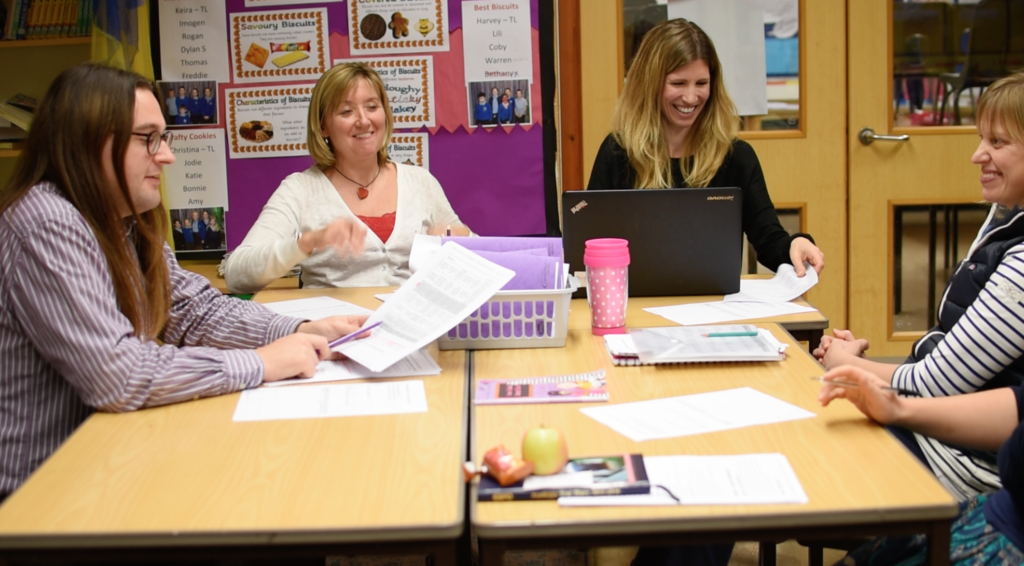
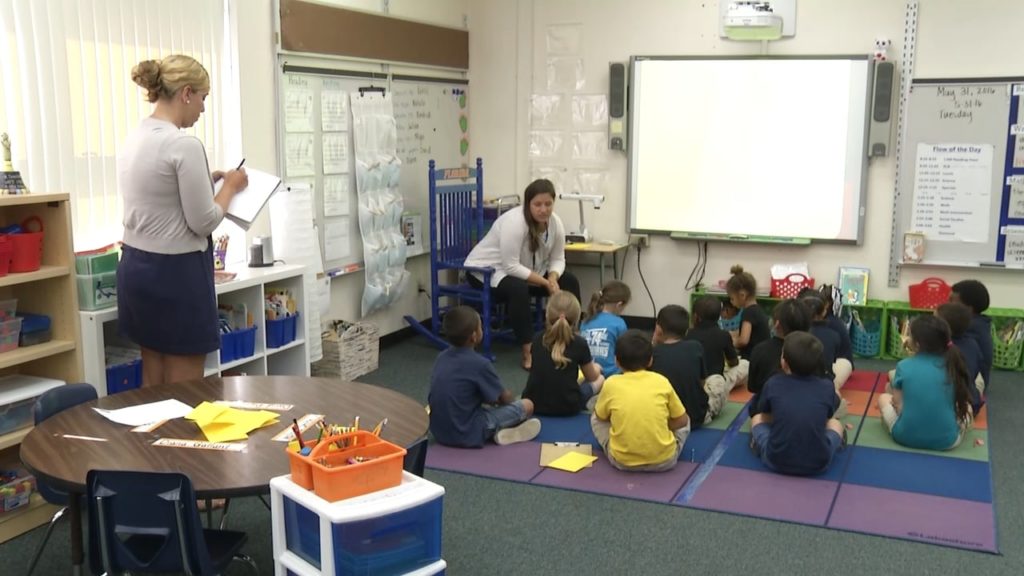
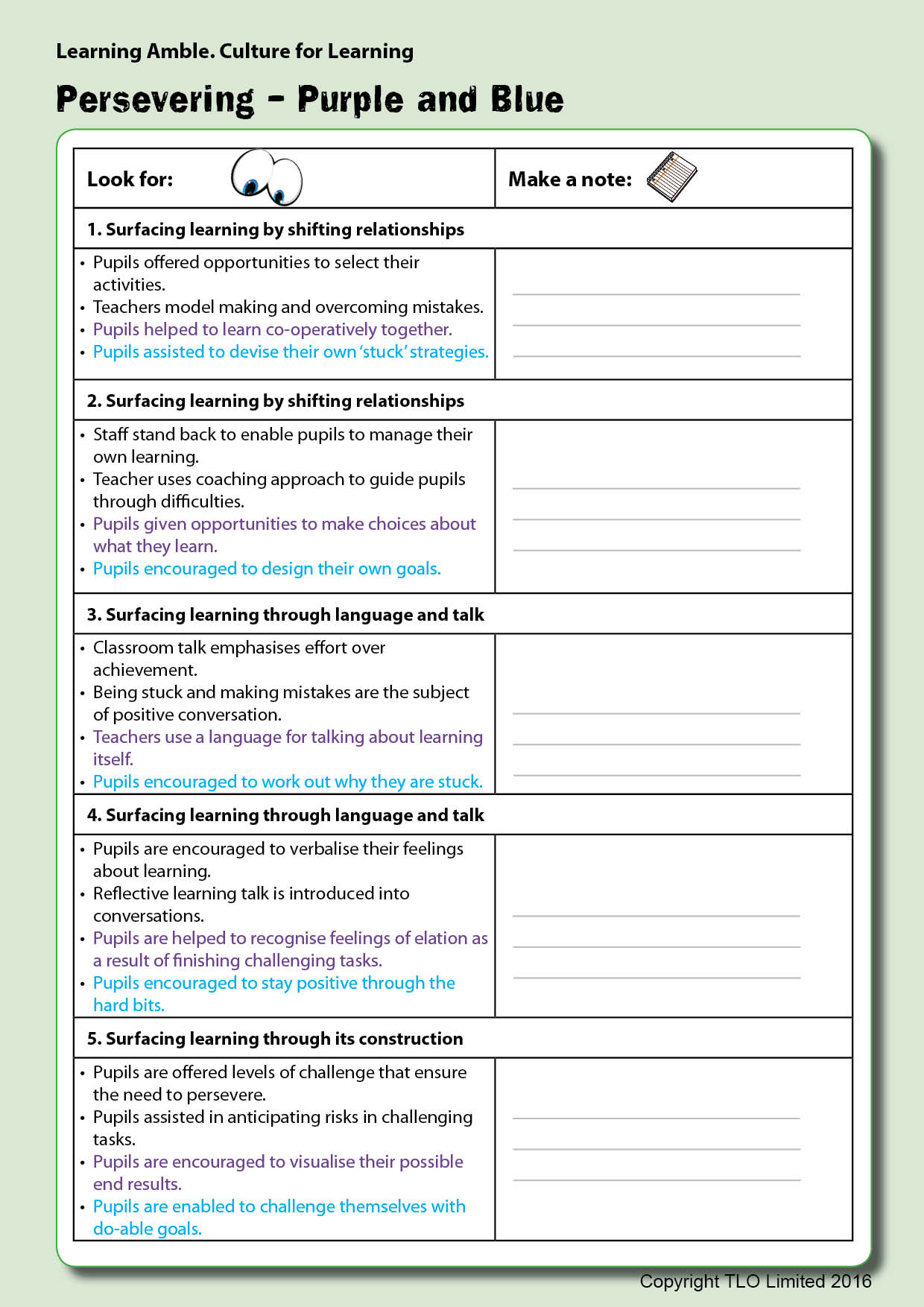
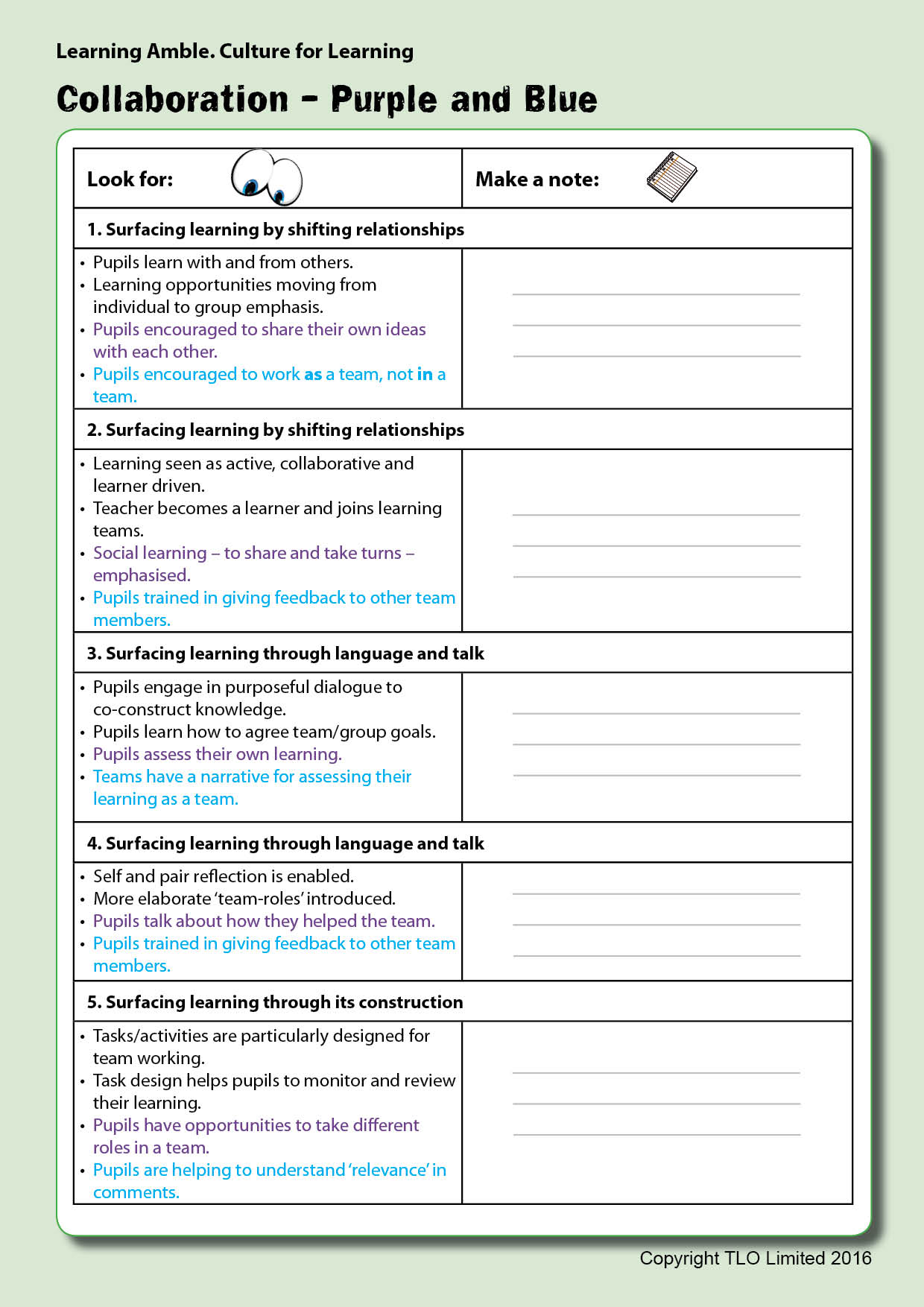
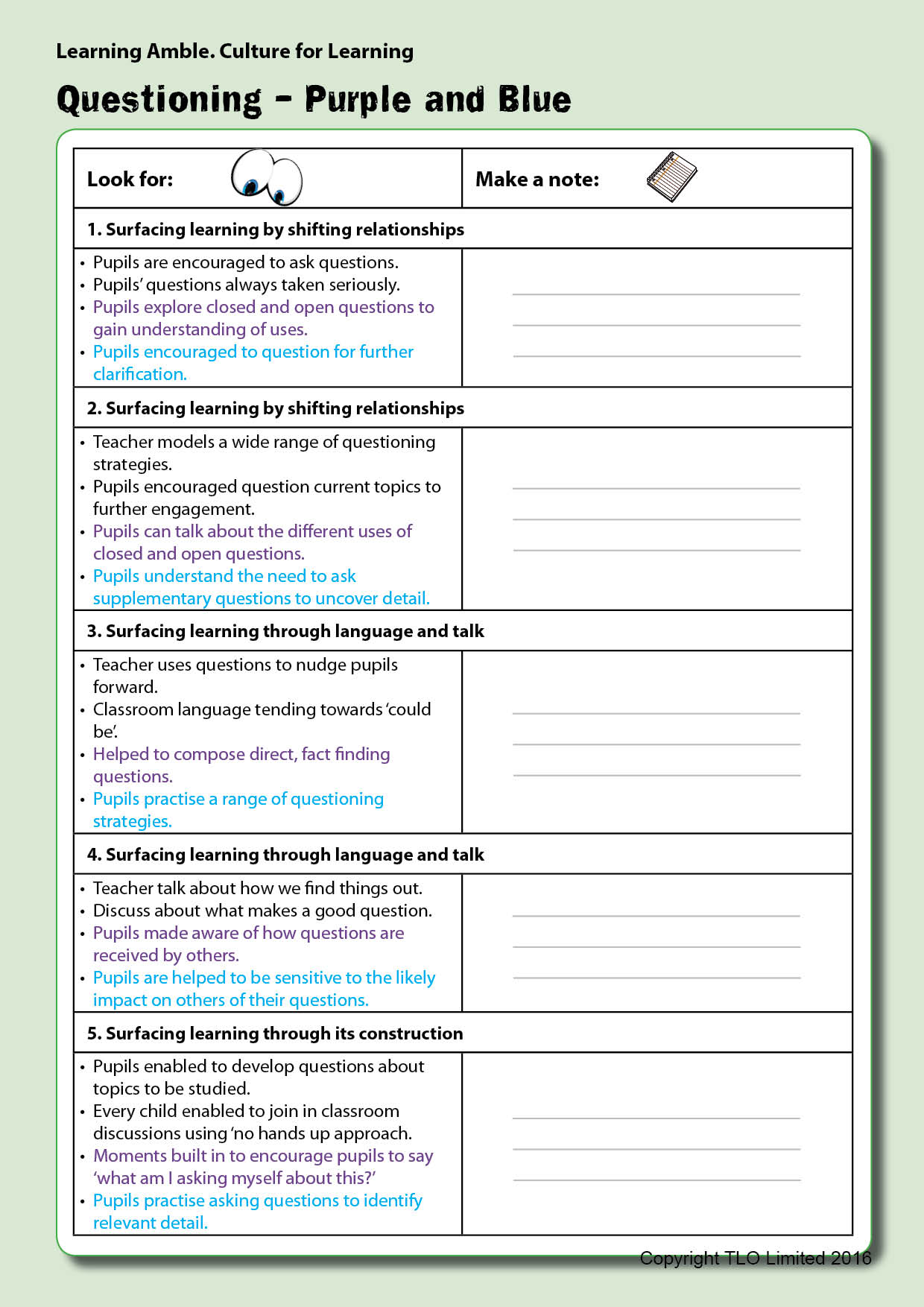

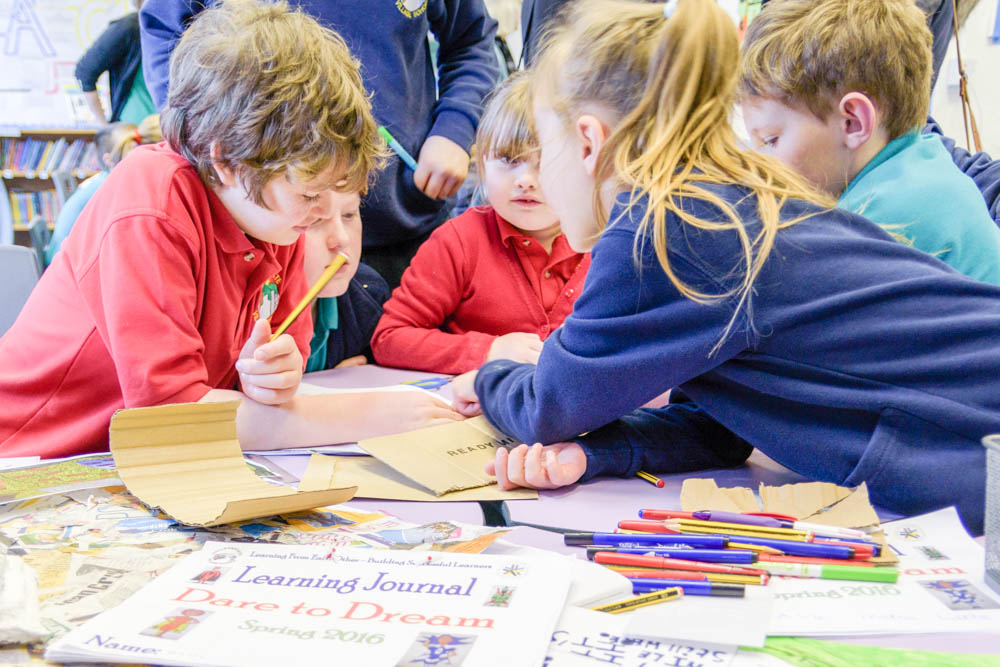
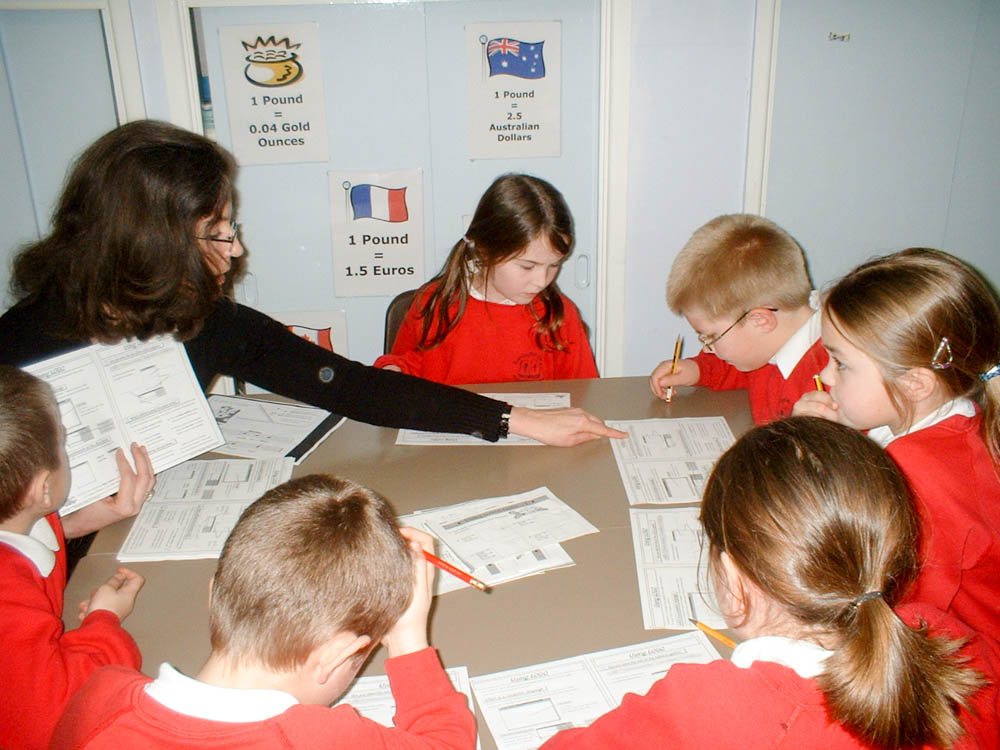
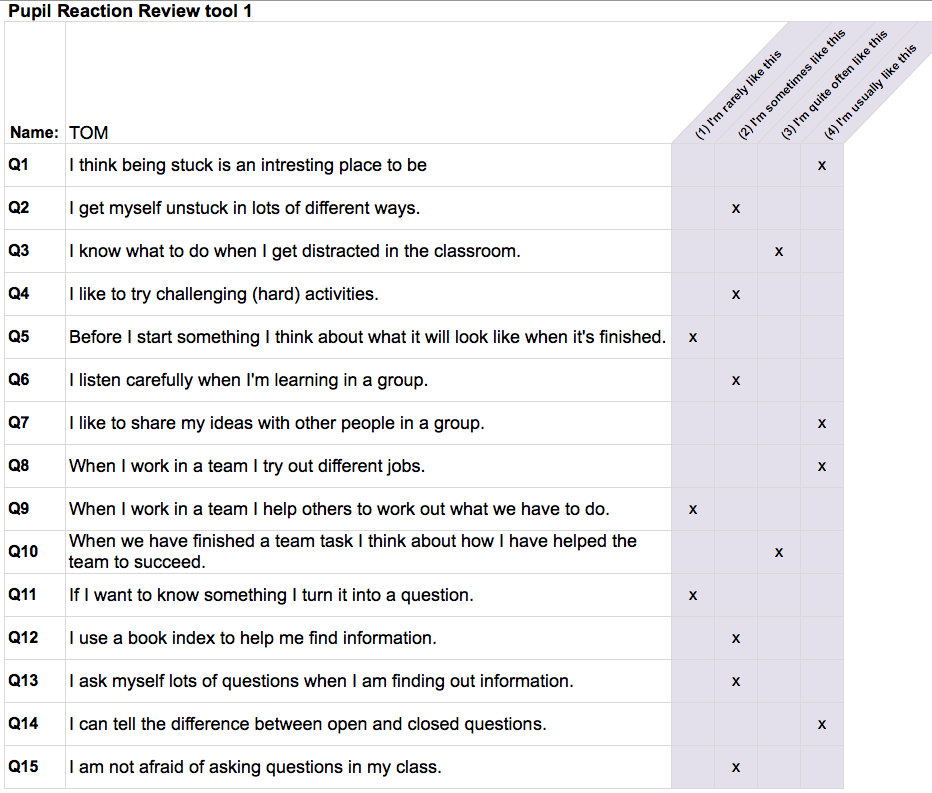
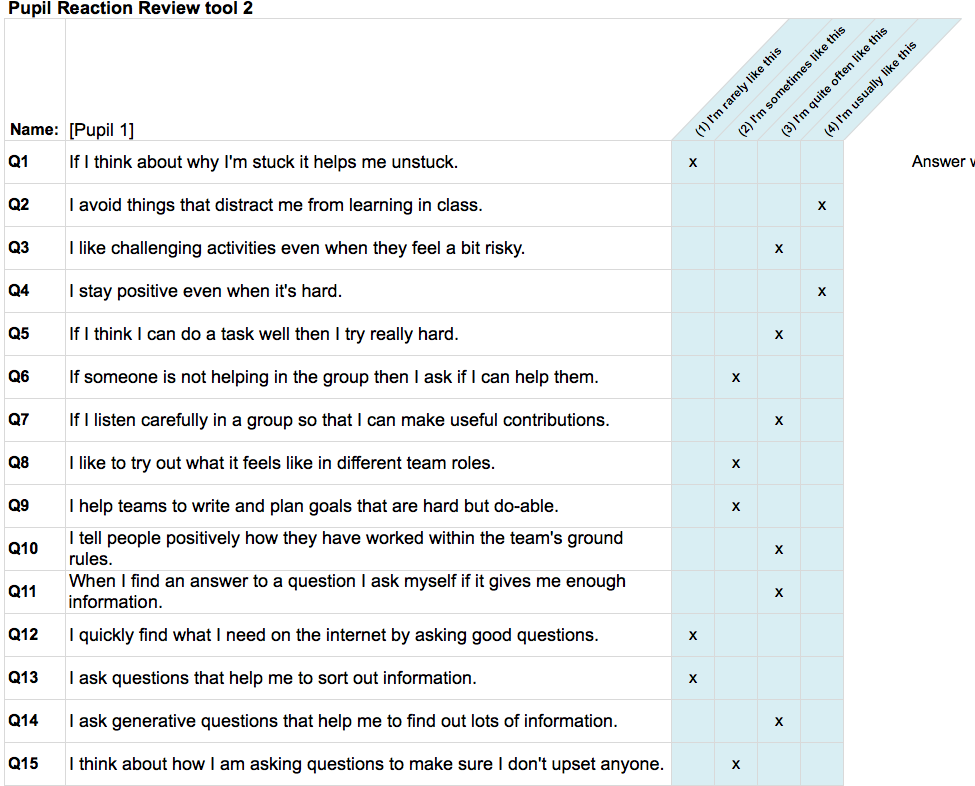
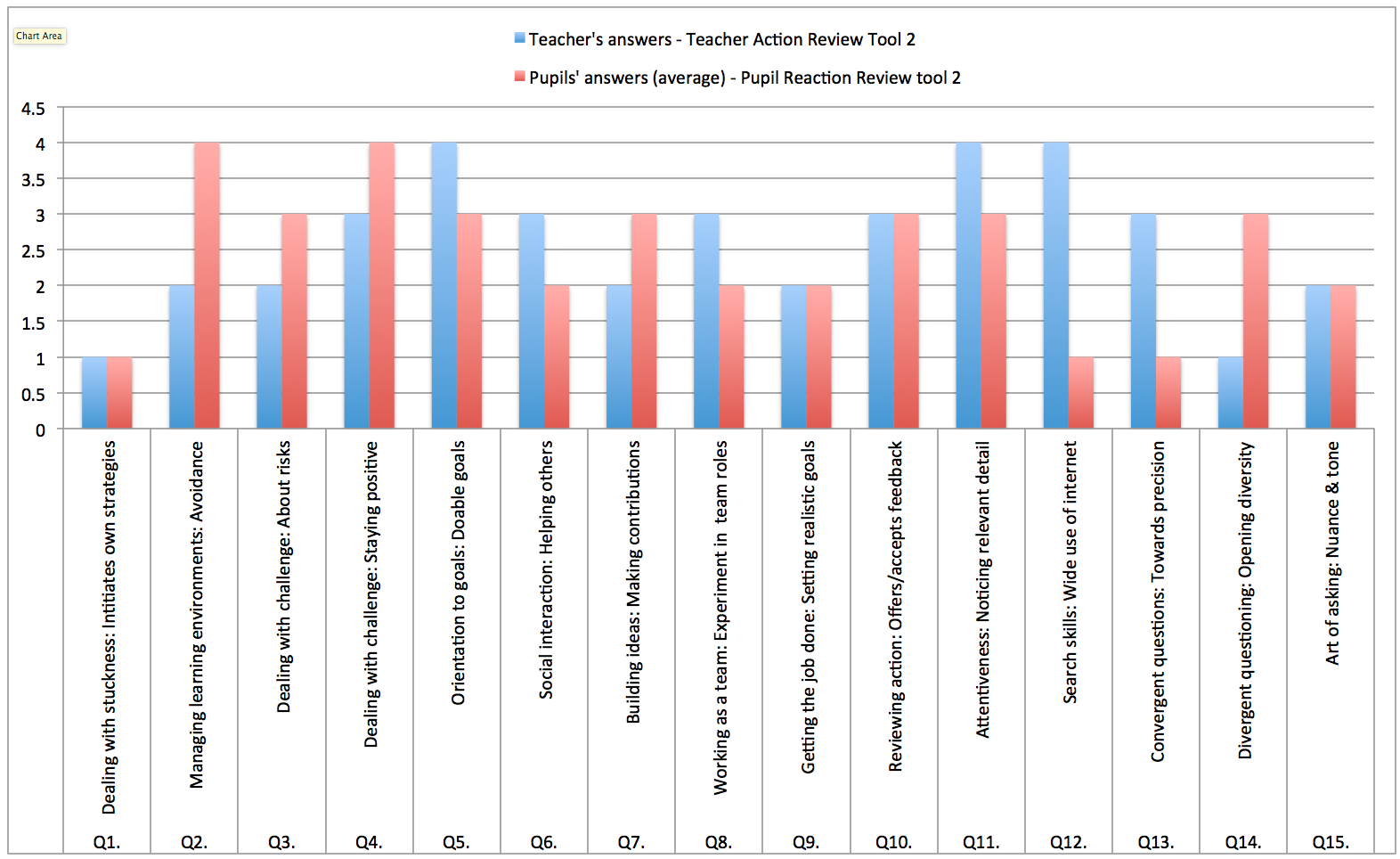

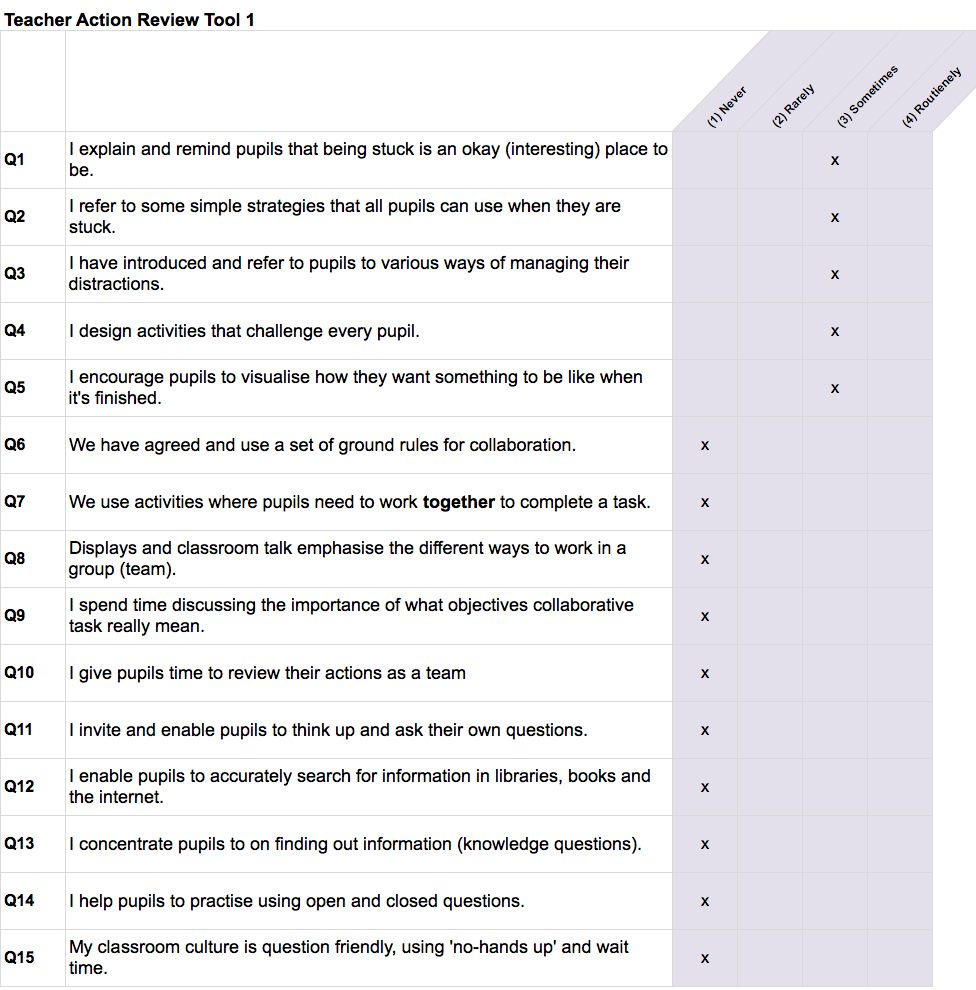
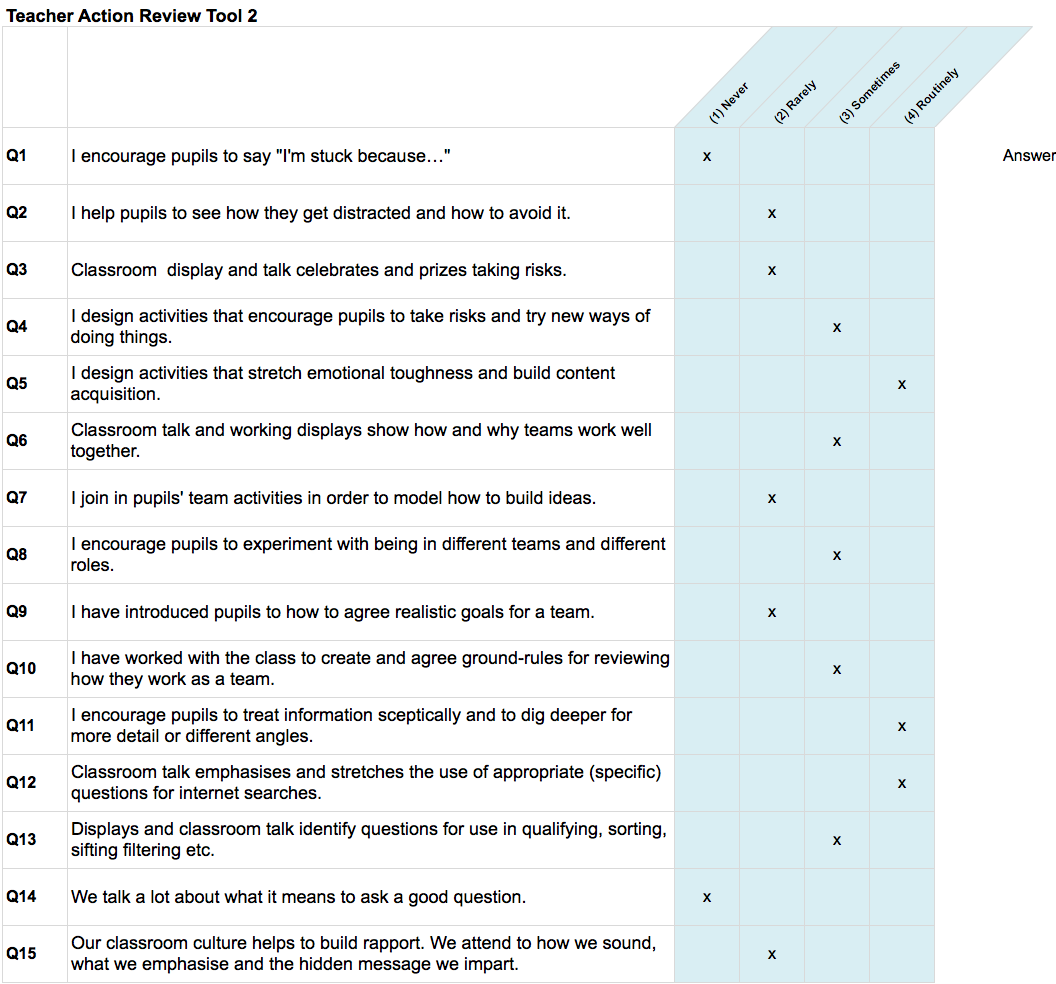
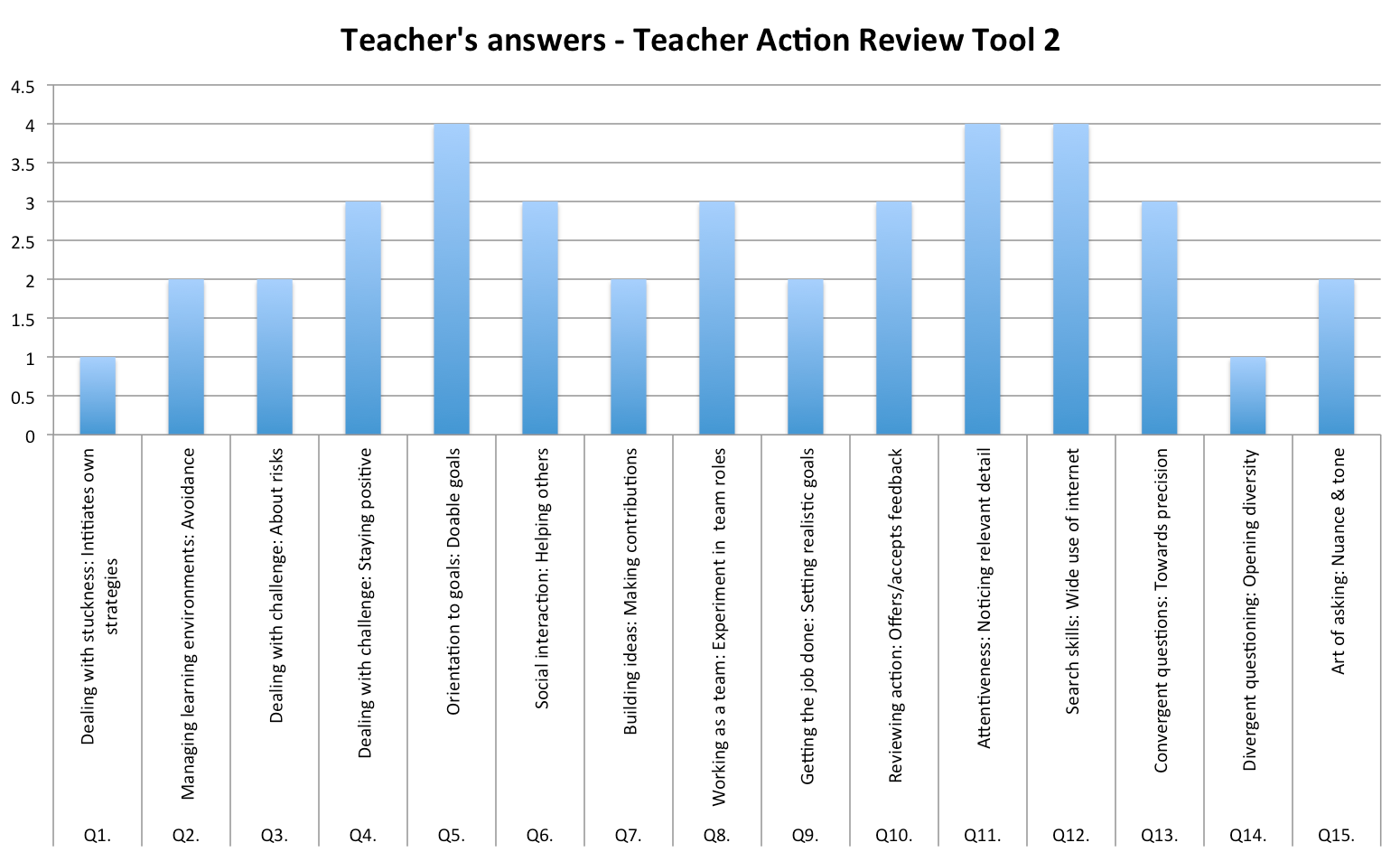

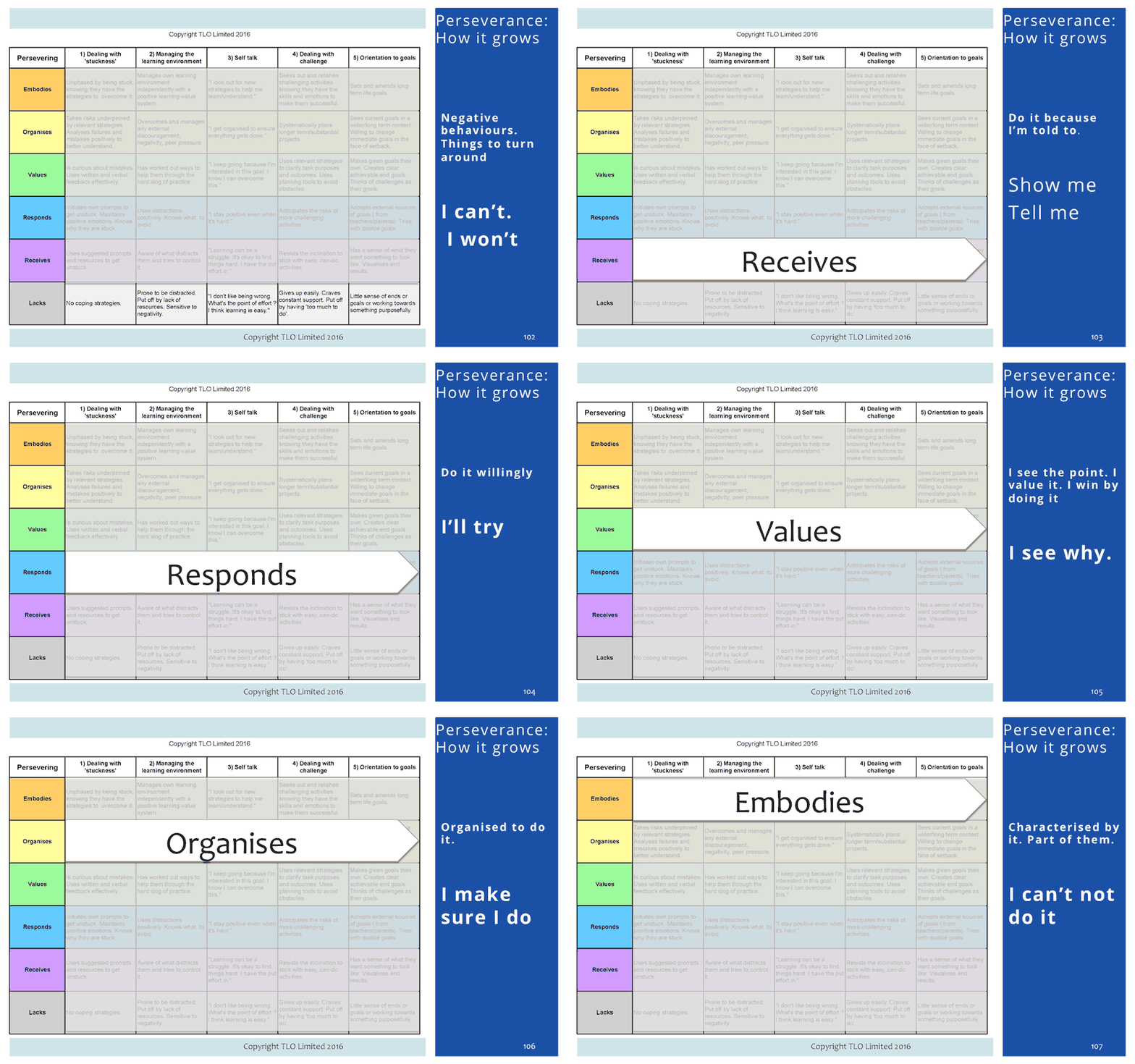
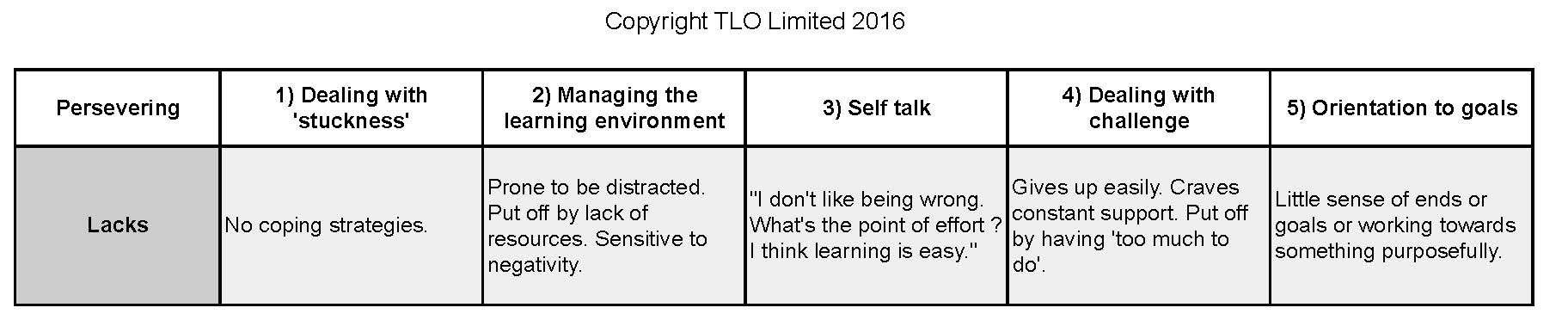
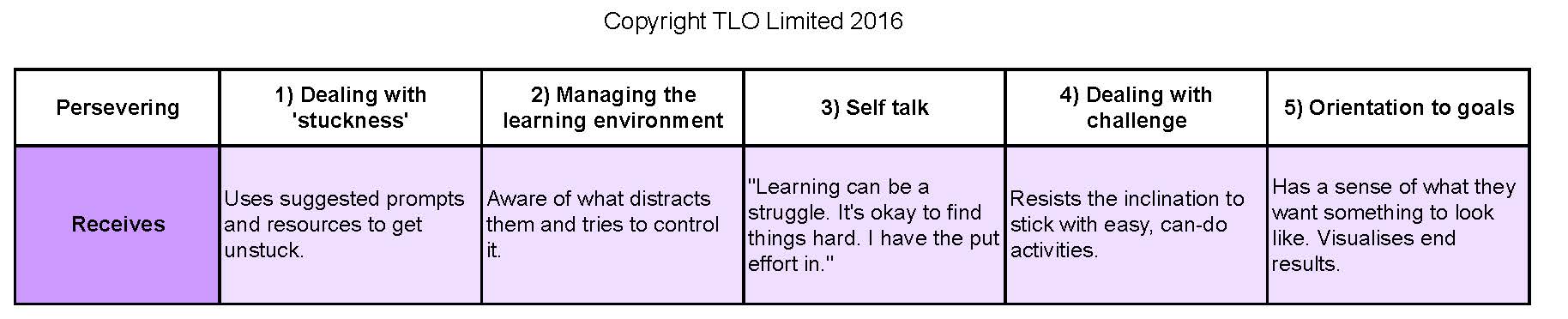
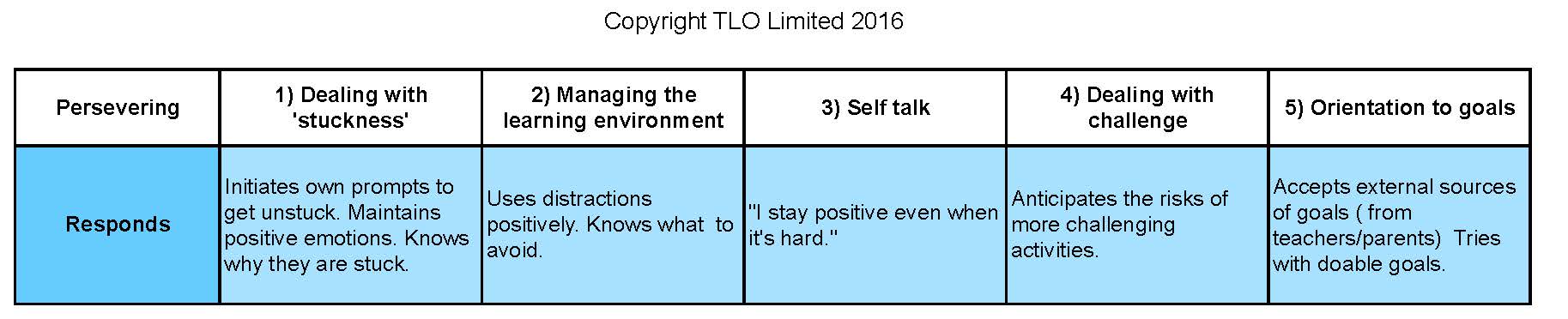
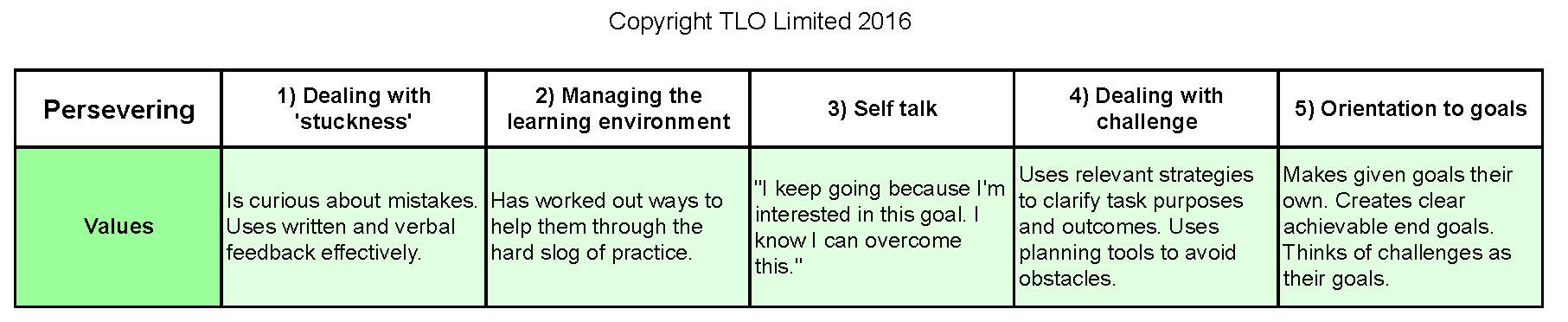
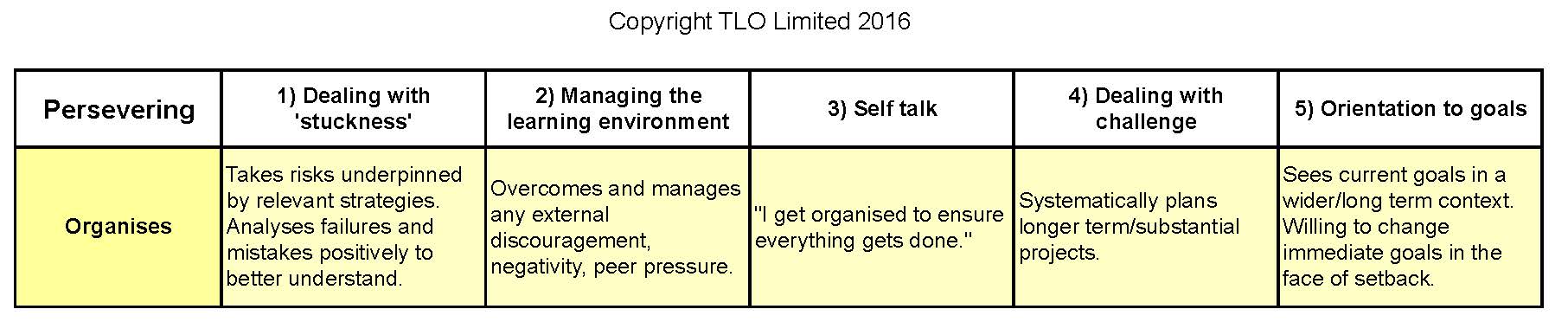
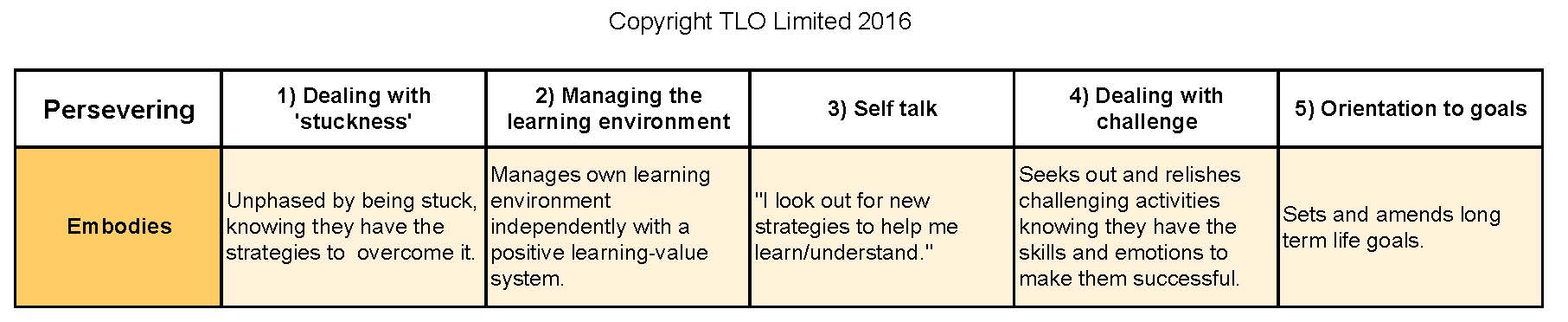
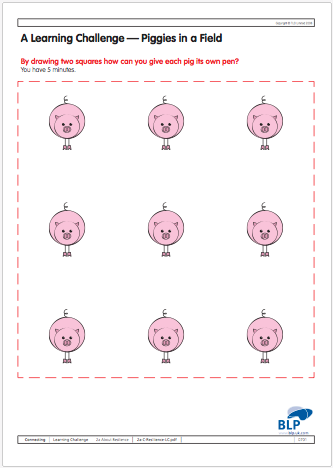
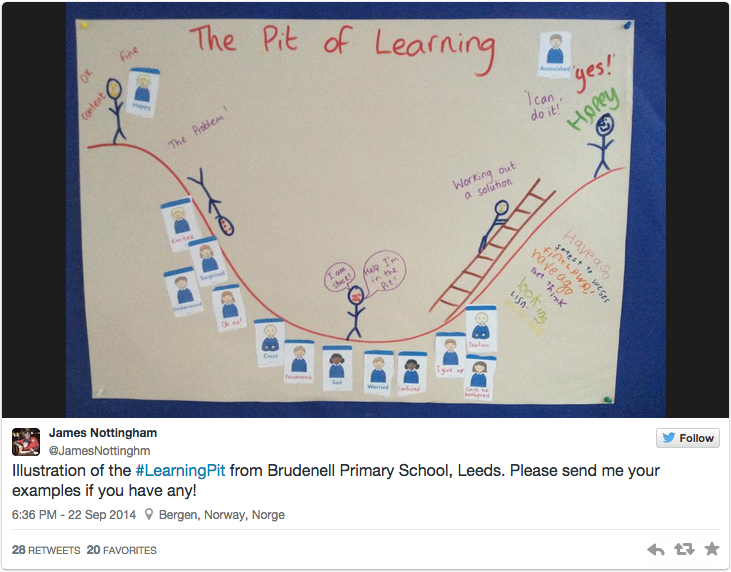



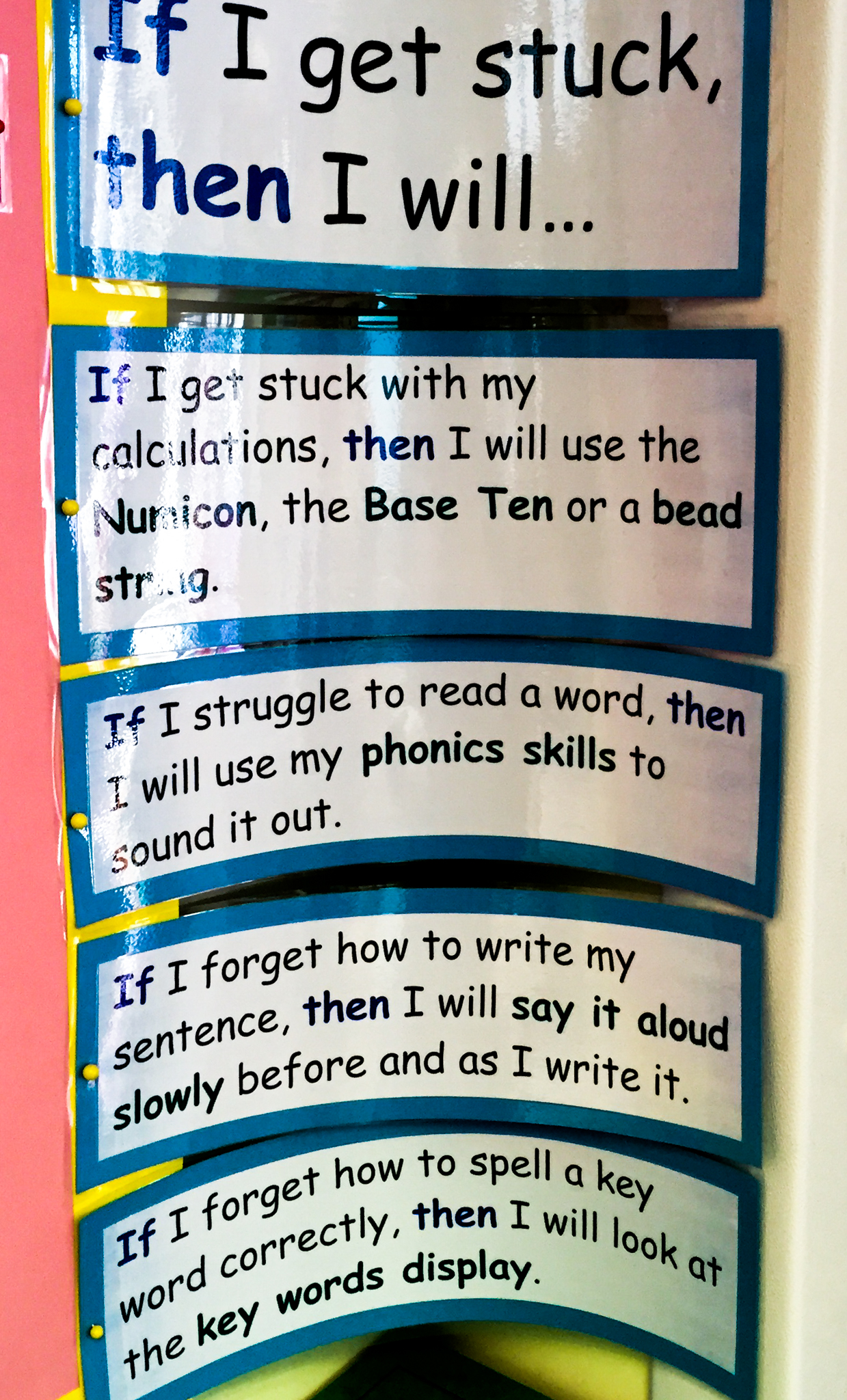

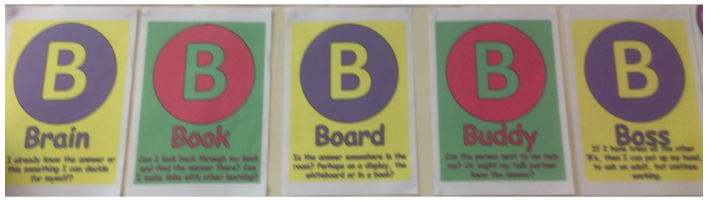




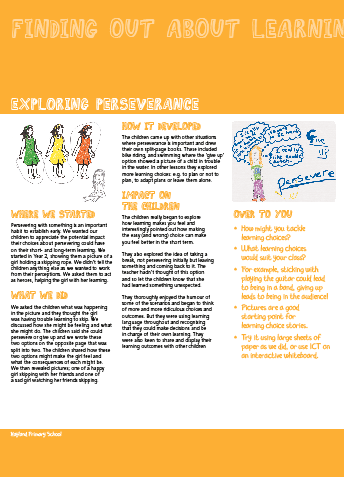

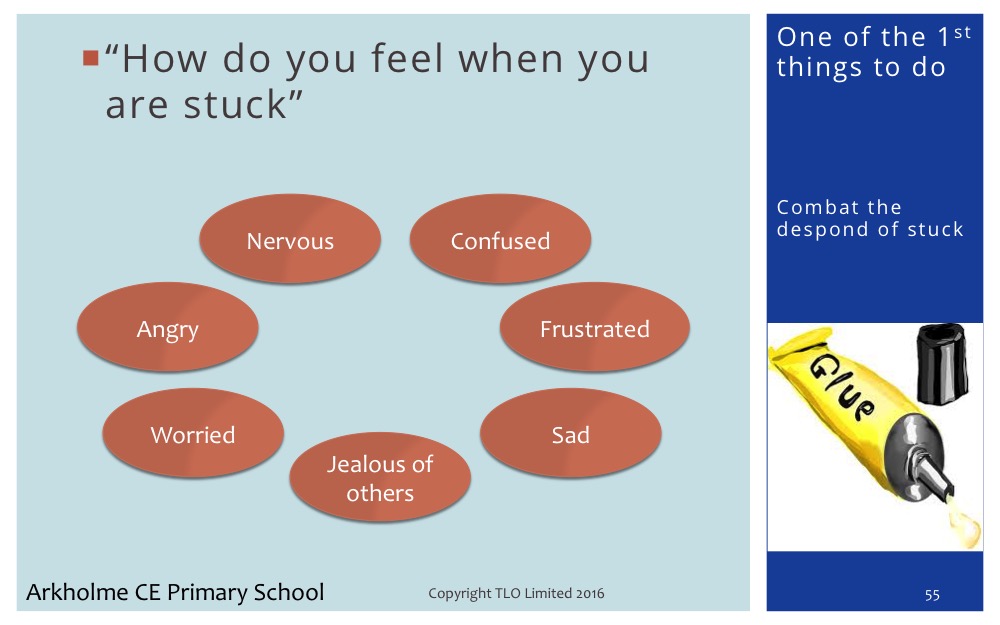


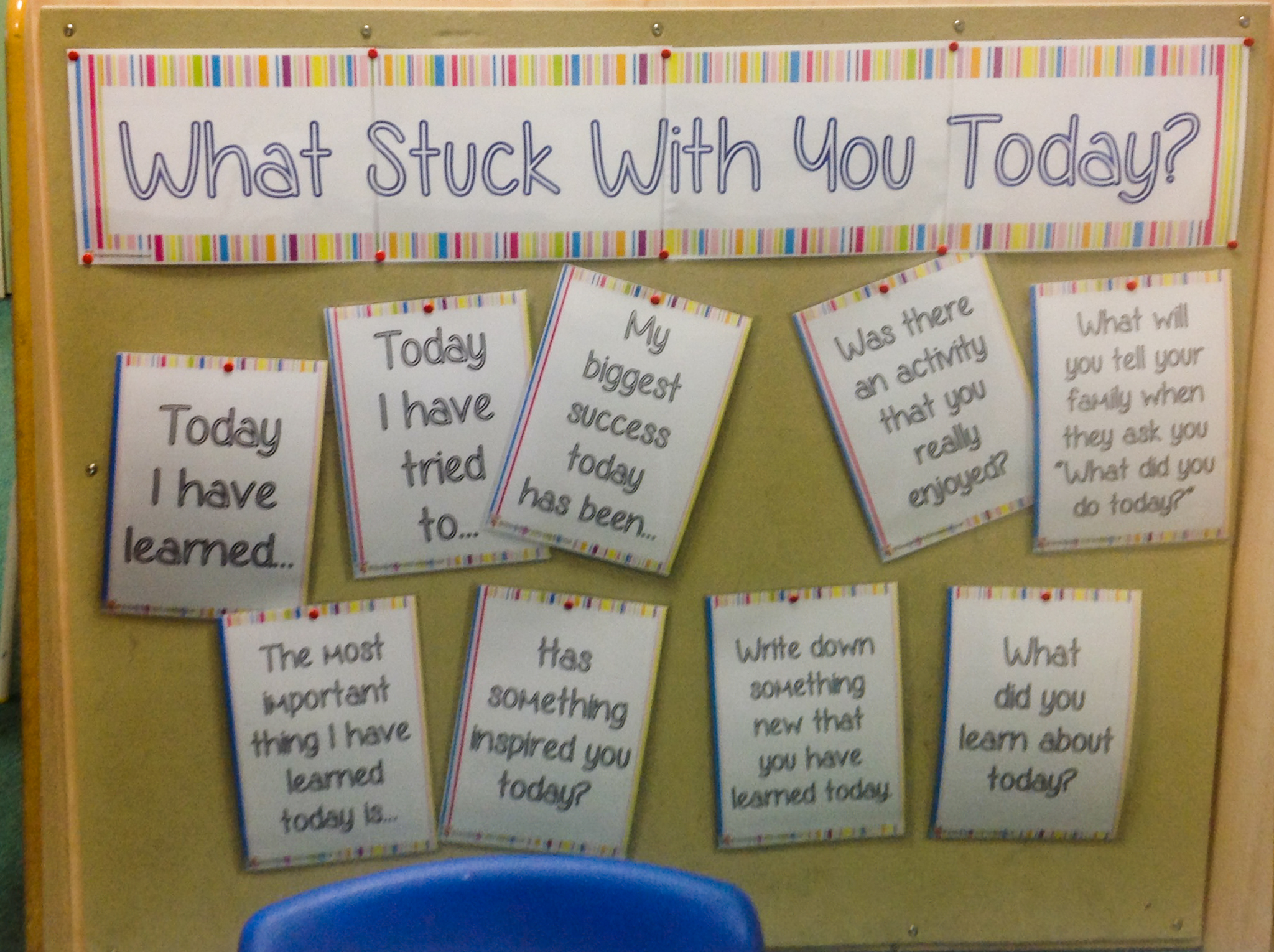

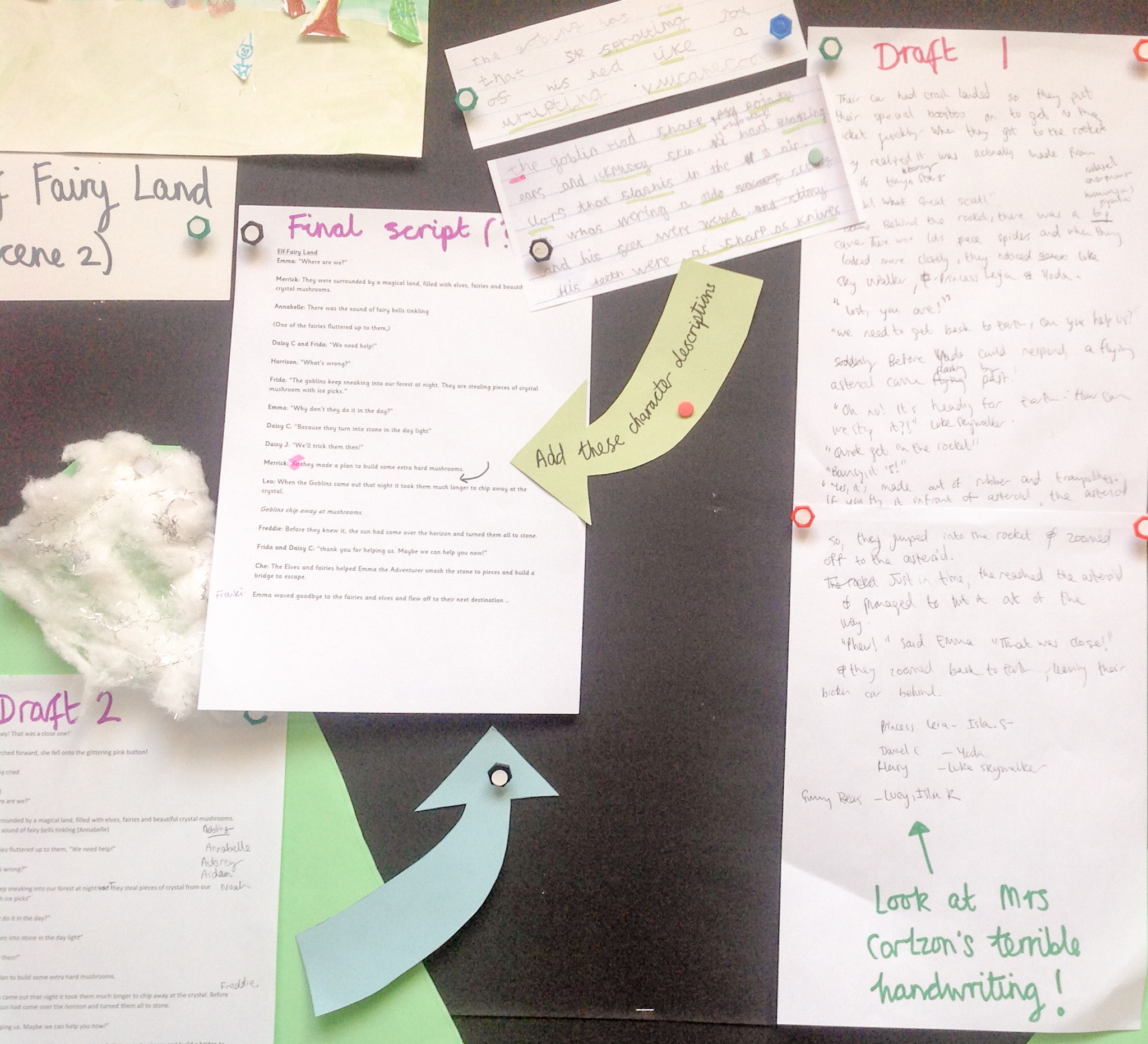
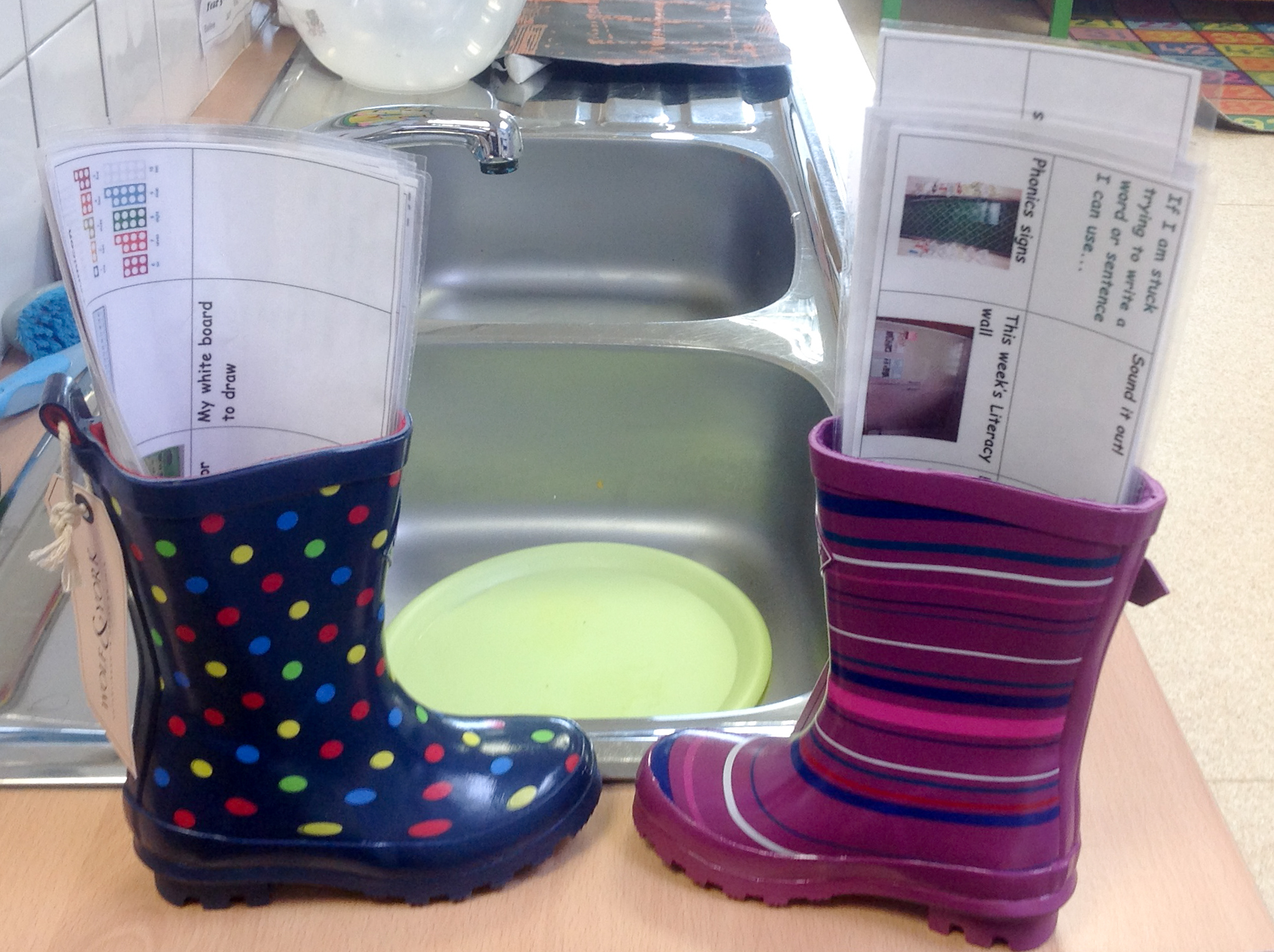
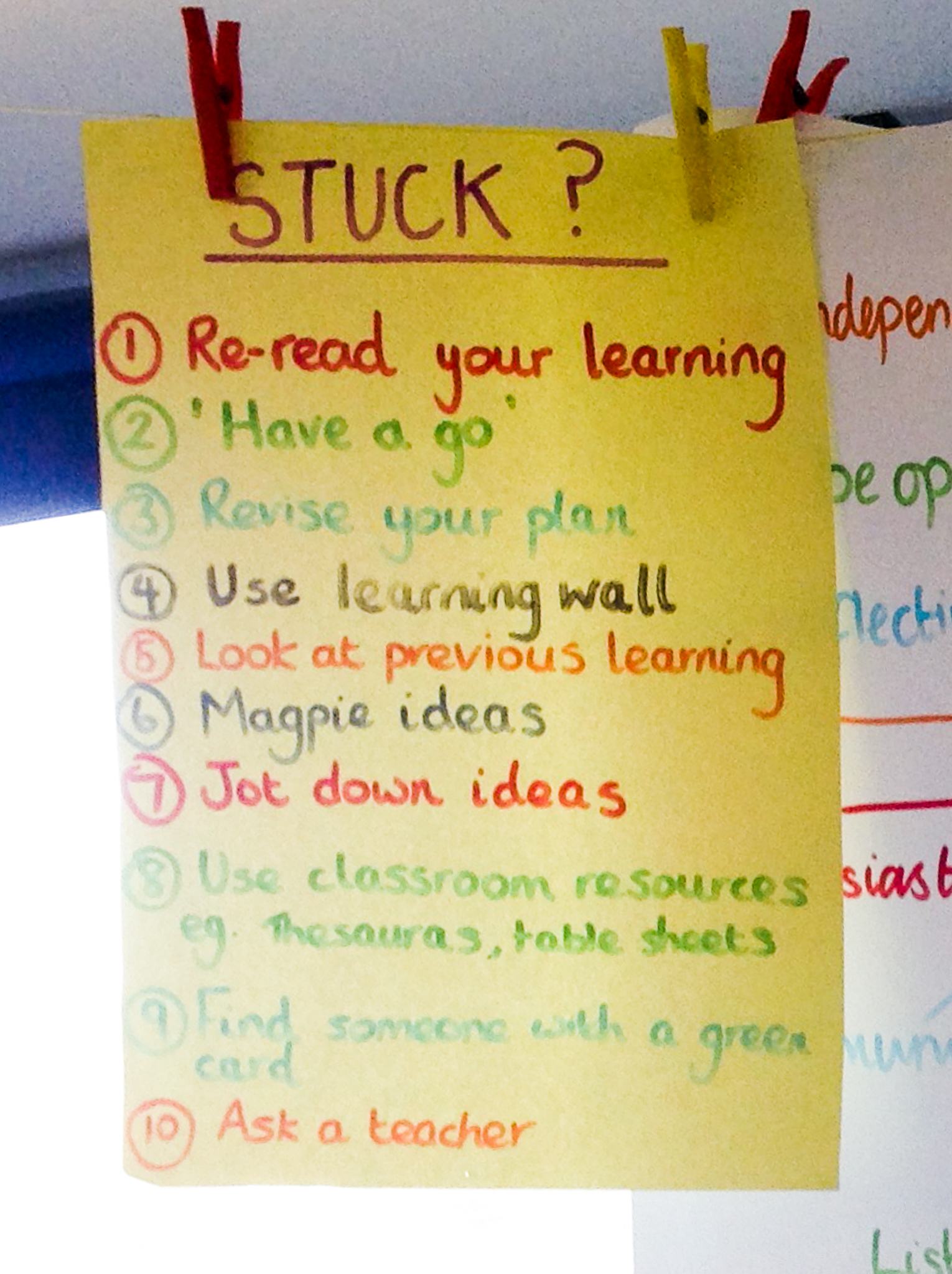
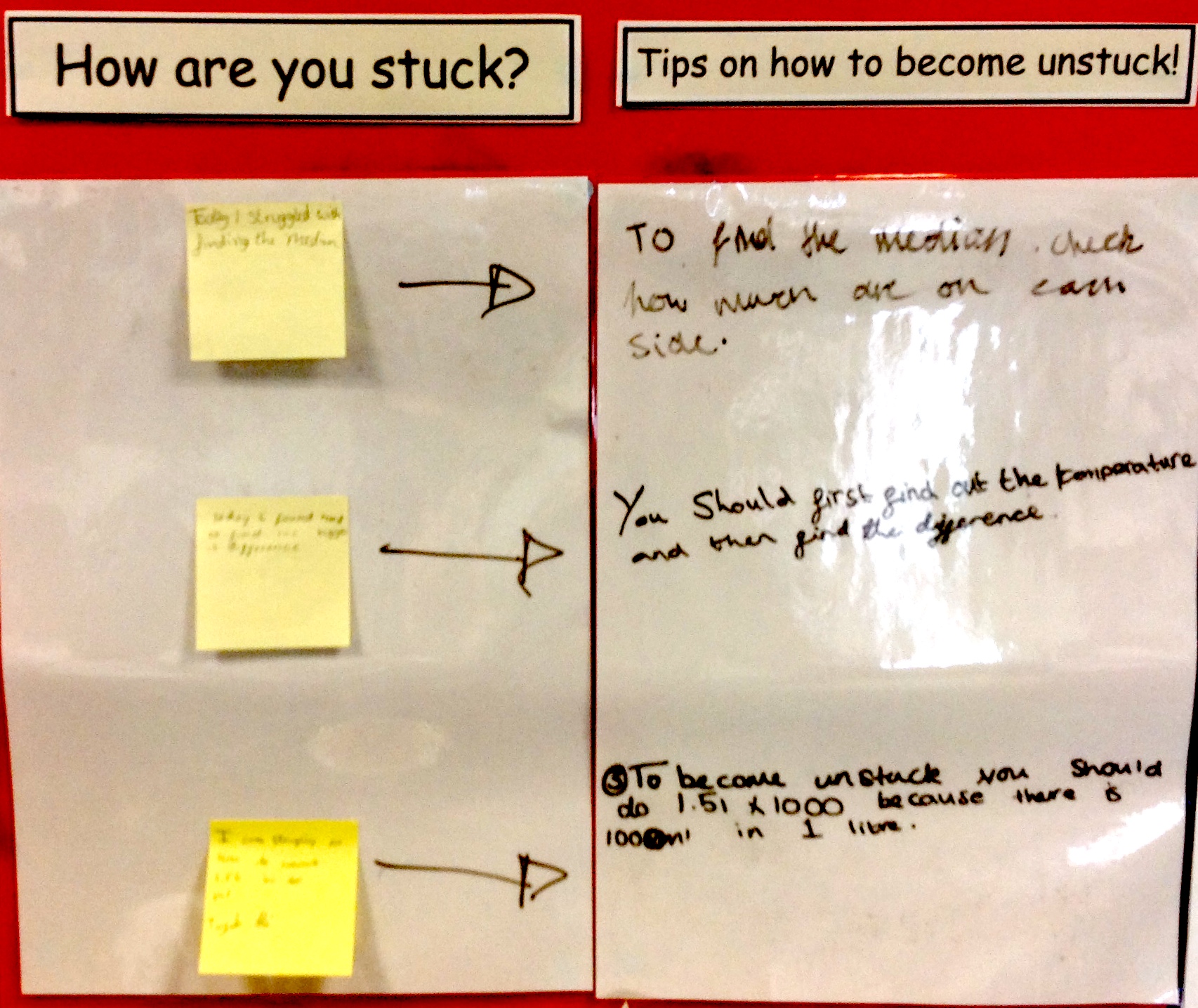
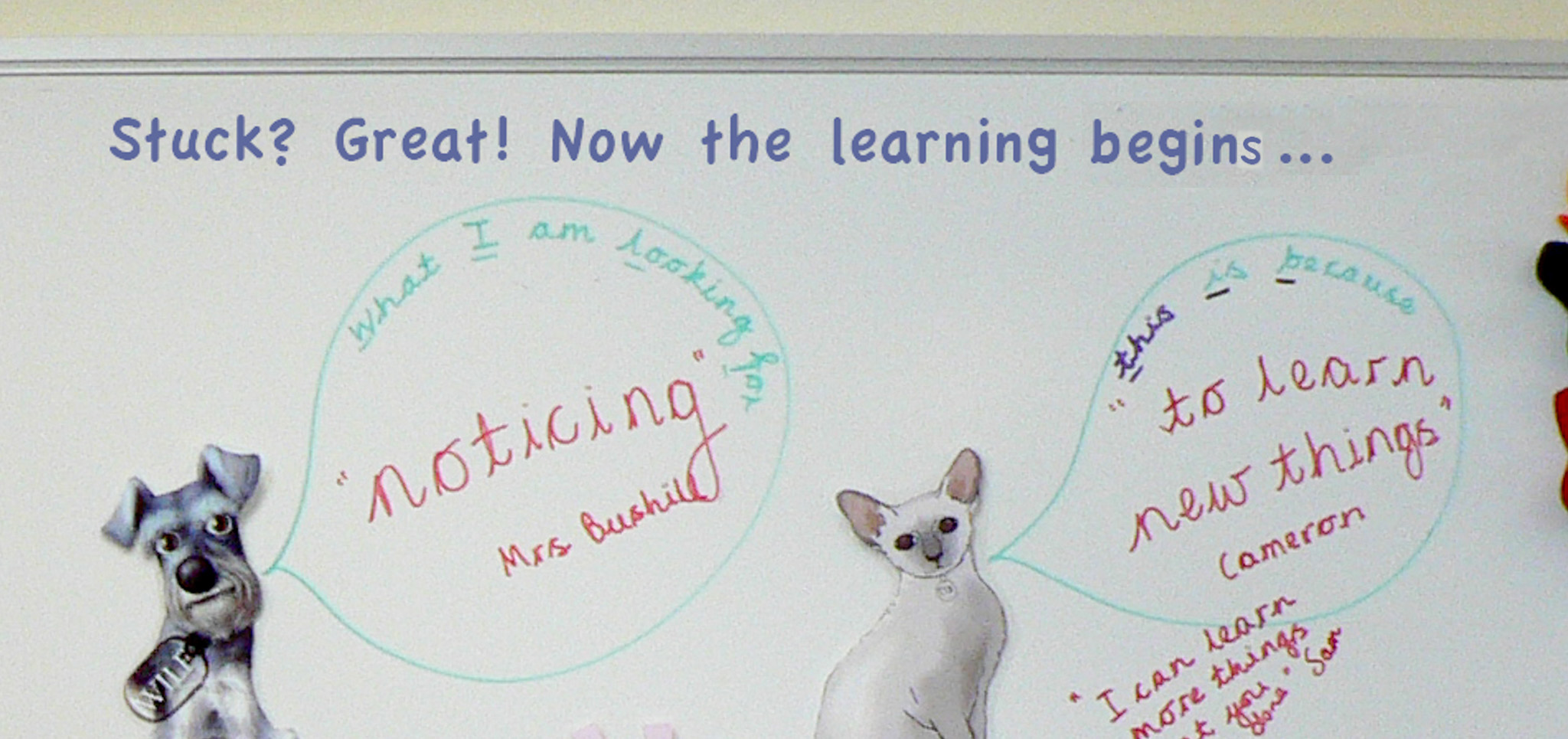
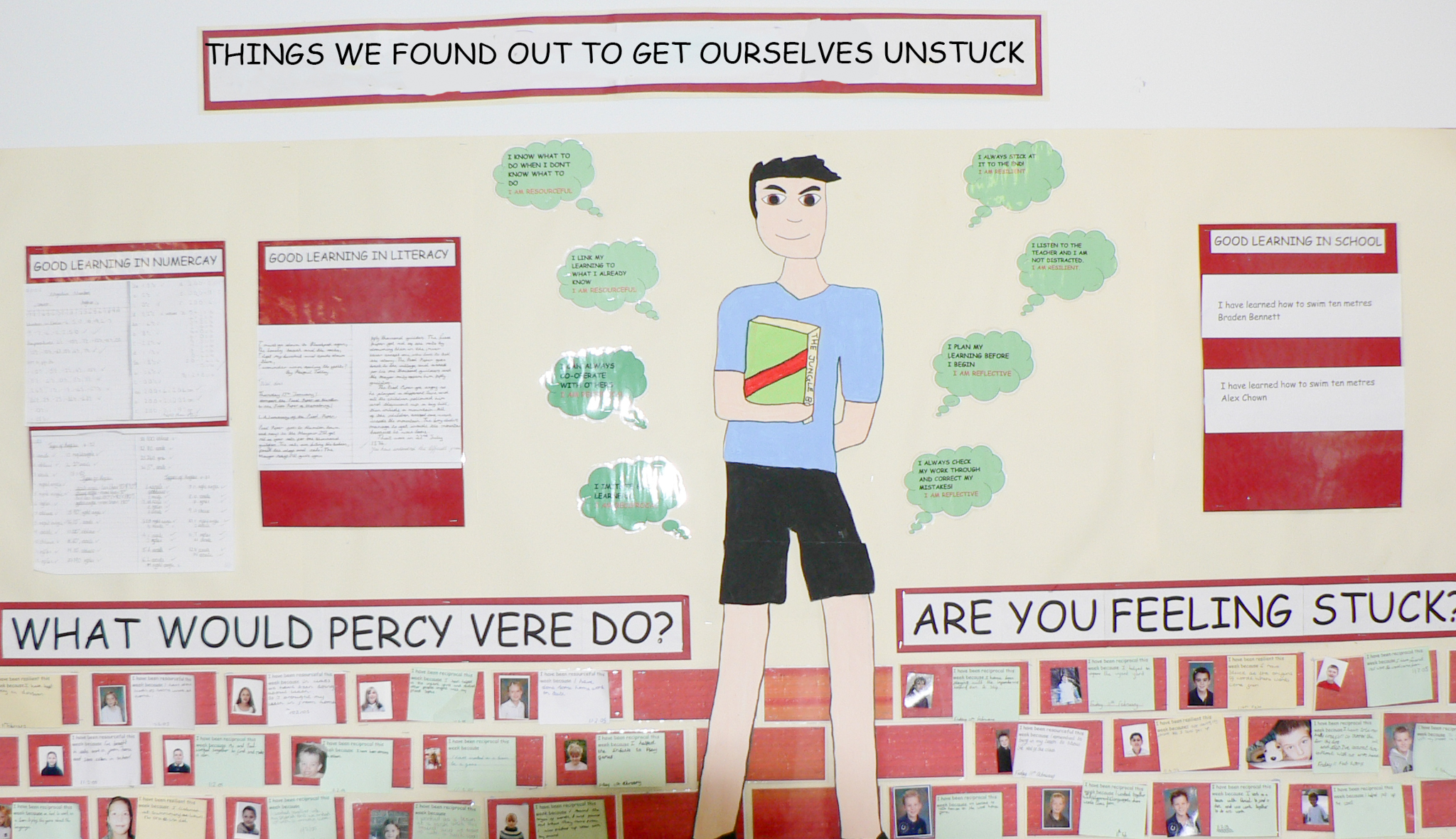
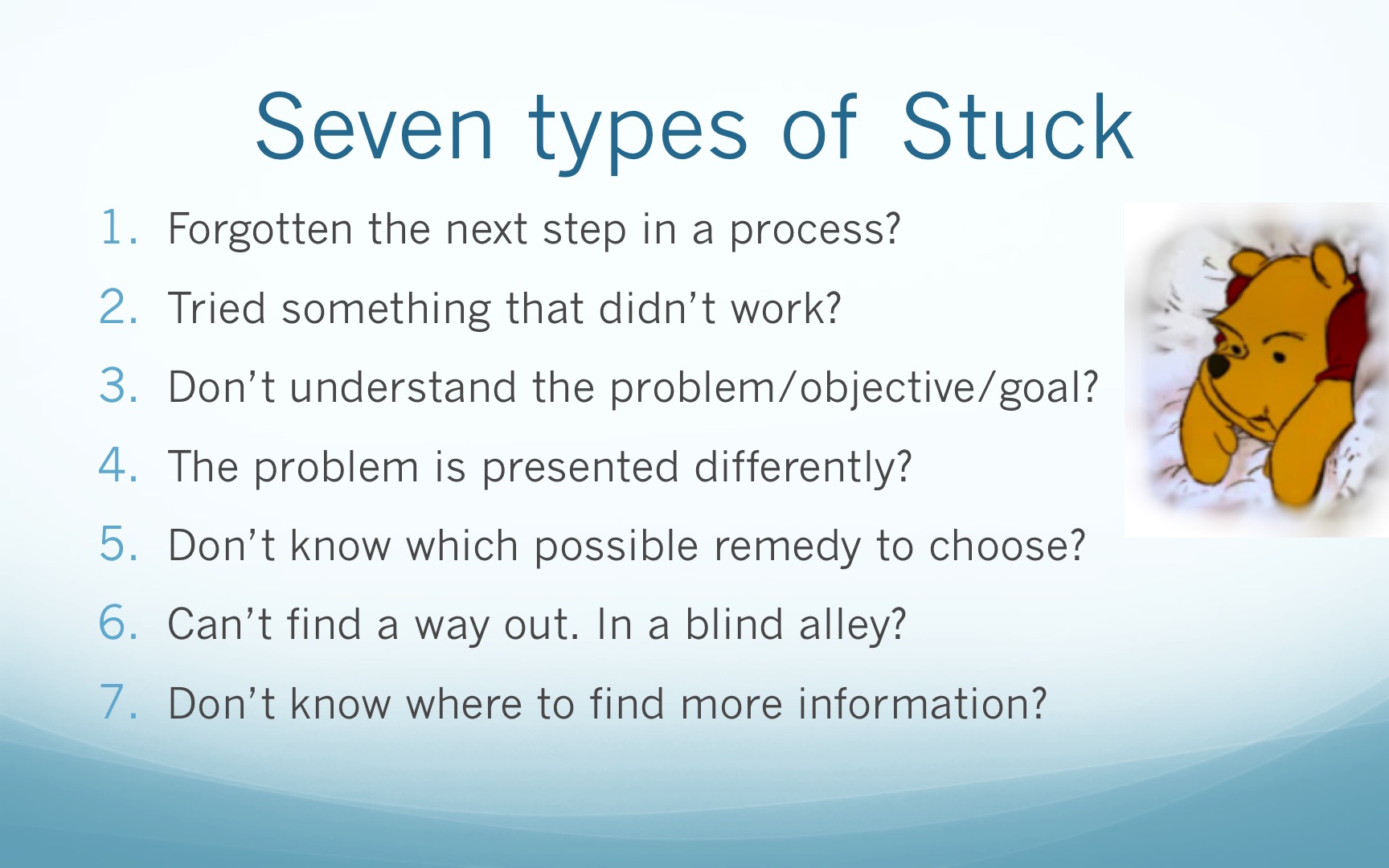


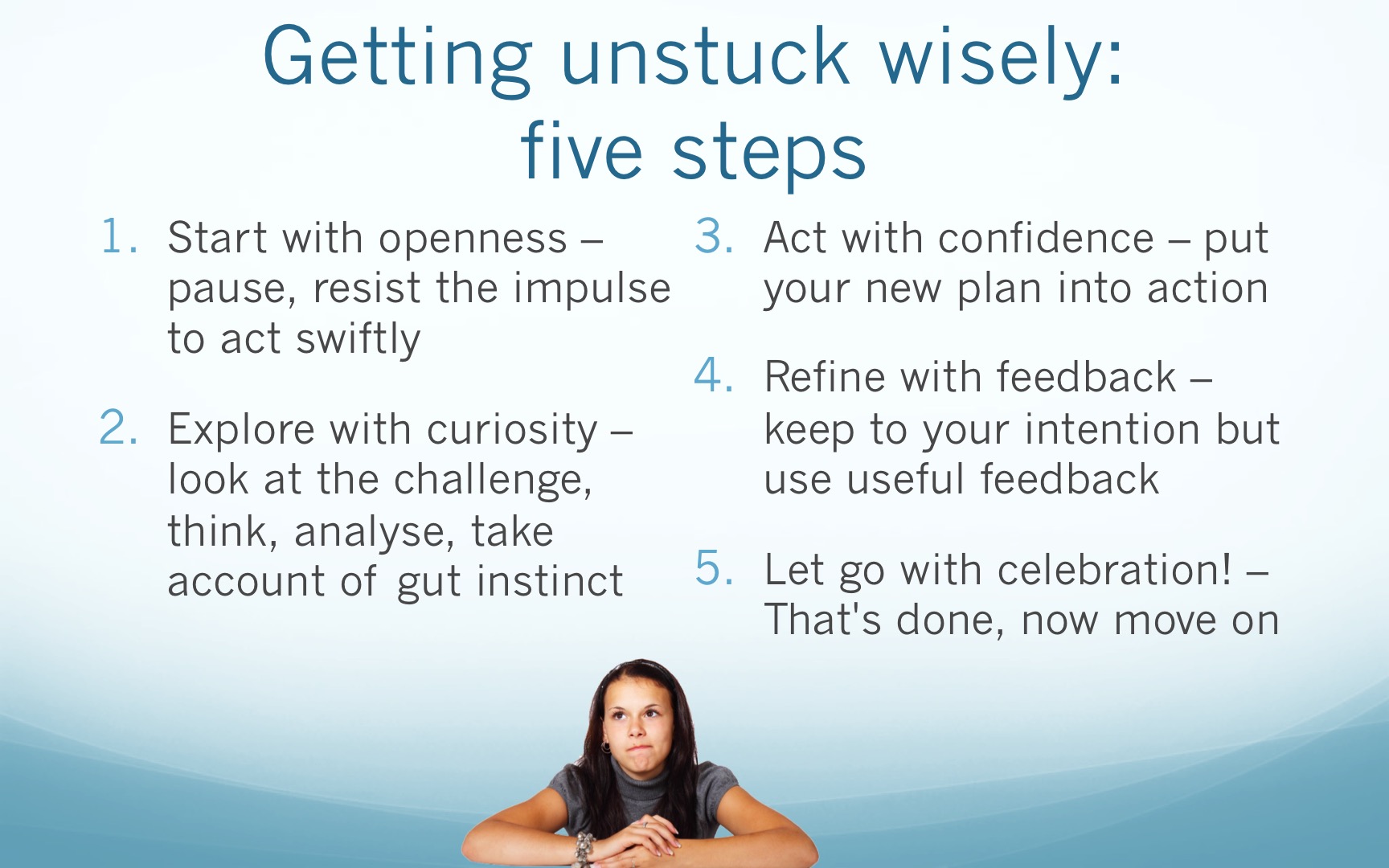

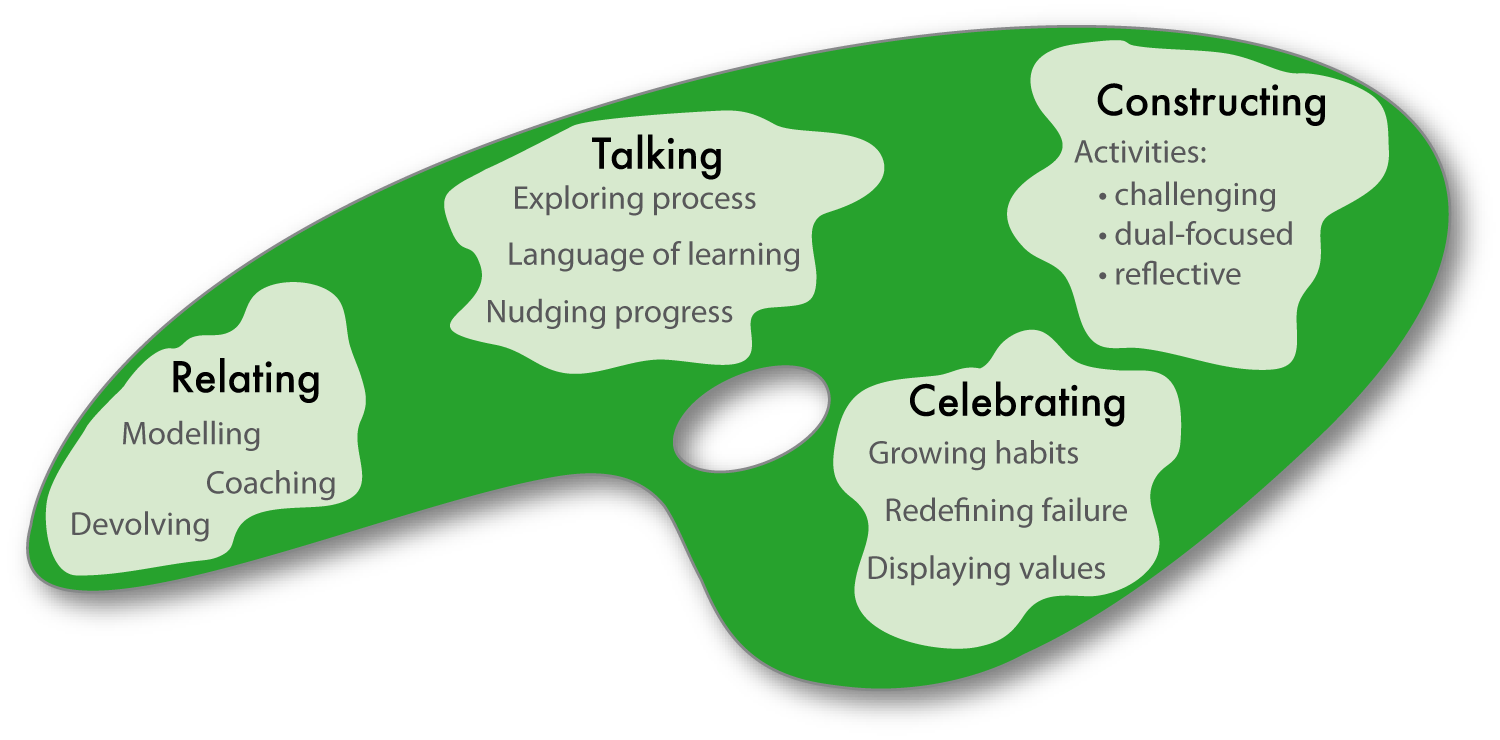

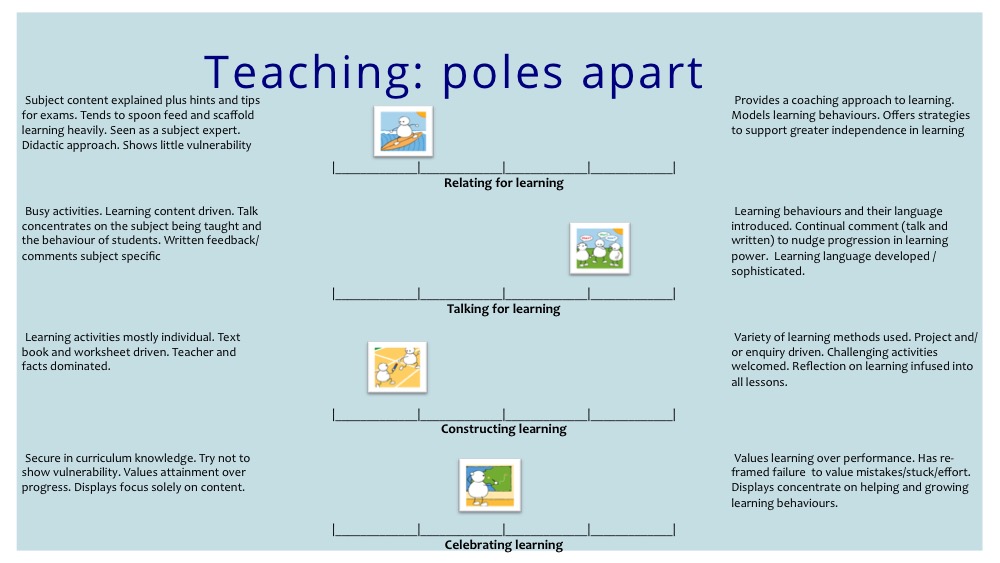


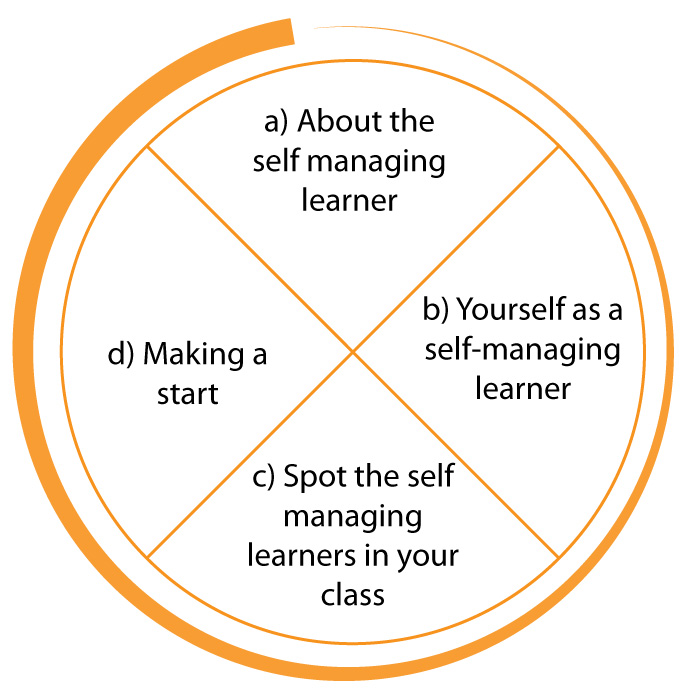
![BLP_Brain_Generic_no-Rs-[Converted]](https://www.buildinglearningpower.com/wp-content/uploads/2016/12/BLP_Brain_Generic_no-Rs-Converted.png)