An essential aspect of a community of enquiry, of which you are a part, is keeping practice under review and researching the effects of changing practice.This accurate and continual self-reflection gives the school a real picture of itself as a learning organisation and the information is used to plan further improvement action.
Reflecting on your changing practice. This section of self reflection aims to answer the question “How far have I come?”
1.1 Looking back: where have you come from?
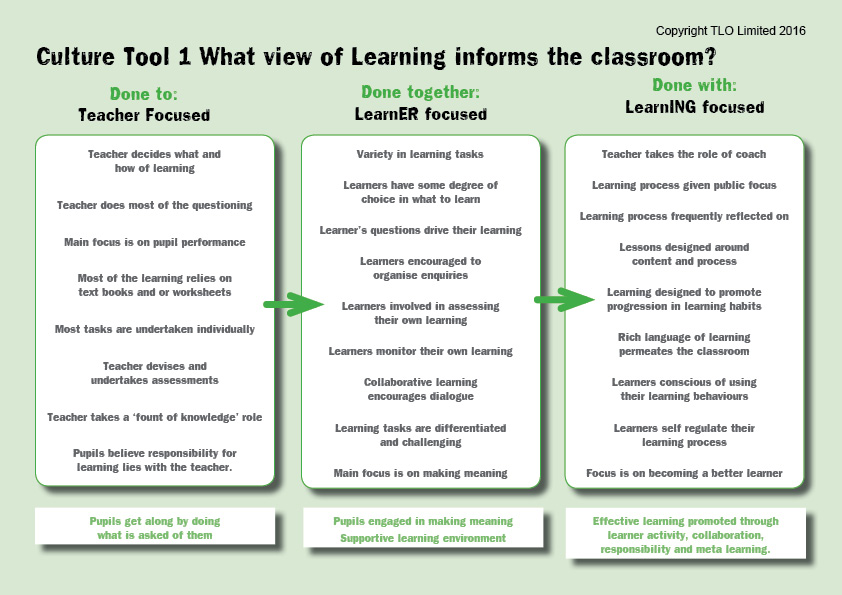
In the first session of this programme you looked at the idea of a learning friendly classroom culture. You explored the differences between teacher centred, learner centred and learning centred classrooms through the Culture Tool 1, and delved deeper into classroom culture for learning centred classrooms with Culture Tool 2.
Click here for some quick reminders of these cultures. Firstly the Culture Tool 1.
- Teacher centred classrooms:
- Many classrooms could be thought of as teacher centred. Here the overriding emphasis is on what the teacher is doing or saying. Learners have little to do but listen and be told what to do. Pupils have a ‘thin’ view of themselves as learners.
- Learner centred classrooms:
- The learner centred classroom is where pupils take a more active part in deciding what to do. Here there is more collaborative learning where pupils have dialogues about what they are learning and create meaning together.
- Learning centred classrooms:
- Here a language about learning itself is added for pupils and teachers alike, and learners practise reflecting on the learning process. Pupils come to see themselves as learners, develop stories about their experiences, understand the learning behaviours they are using and develop and propose improvements. They consciously grow their learning habits.
Task 1: How learning positive is my culture?
Download a copy of Culture Tool 1. Spend a little time thinking about your own classroom culture against the indicators for the three classroom cultures. Where would you say your classroom culture is now?
Now find the highlighting you did when you first used this tool. If you have lost it just take your memory back to where you were then and imagine how you probably completed it.
Now look at the two side by side and ask yourself:
- How different/similar are the two assessments?
- On which aspects have I made most progress?
- Is this progress in the aspects I decided to focus on ‘way back then’?
- To what extent has my working on Nutshells helped to nudge the classroom culture in learning positive ways?
- On which aspects do I wish I had made more progress?
- What broad aspect of learning culture needs further improvement in my classroom?
1.2 Looking back: in a bit more detail
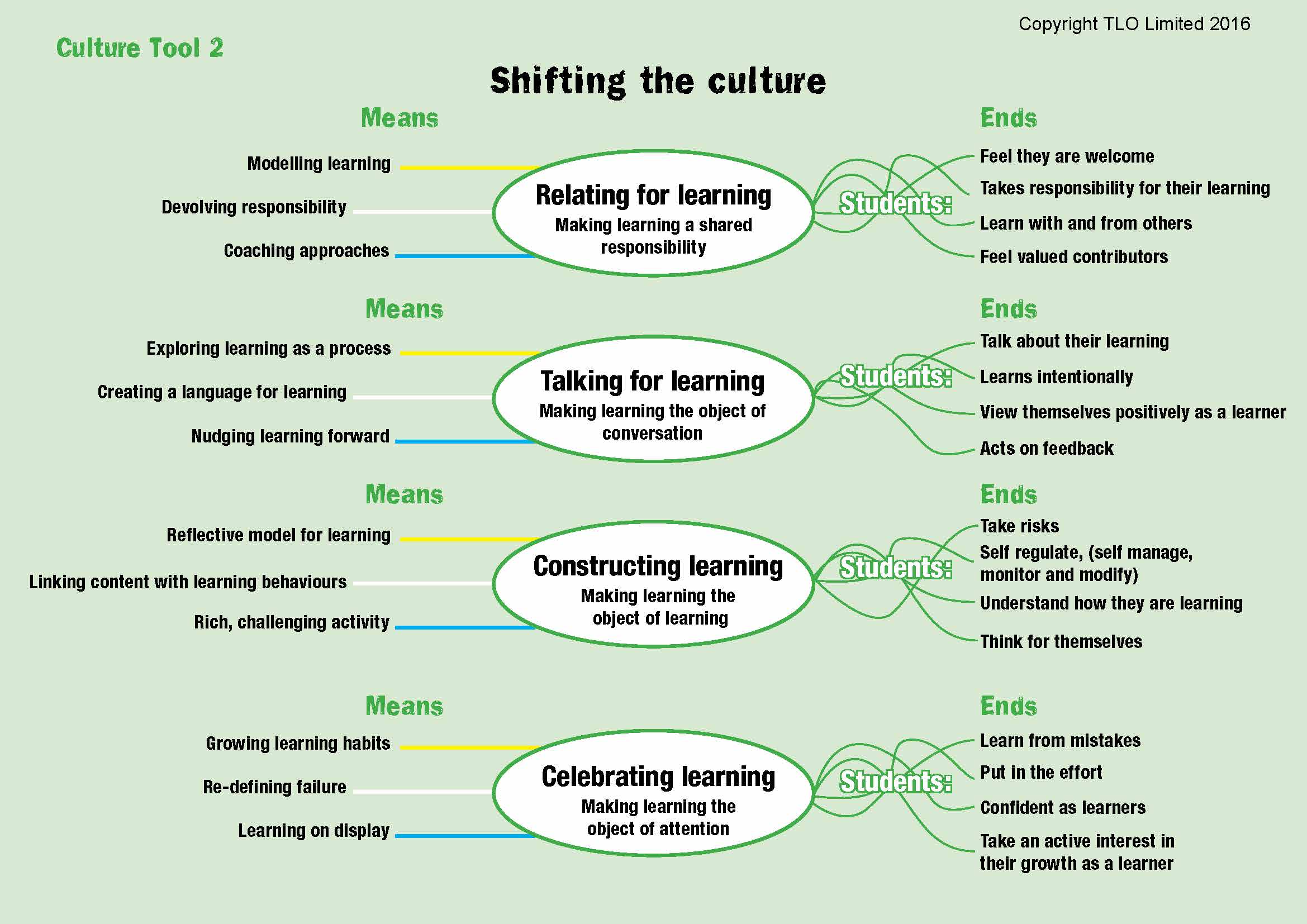
Again at the start of this programme you looked at the four dimensions of a learning centred classroom culture through the Culture Tool 2.
- Relating for learning:
- the changing roles and responsibilities of teachers and learners, where learning becomes a shared responsibility. Pupils are given more responsibility for their own learning, the role of the teacher changes from ‘the sage on the stage’ to ‘the guide by your side’; the role of the pupil moves from ‘passenger’ to ‘crew’ and ultimately ‘pilots of their own learning’.
- Talking for learning:
- the sort of language content and style to enhance learning, making learning the object of conversation. The way we express ourselves in the classroom creates a powerful linguistic environment that teaches young people the best of what we know about learning. The language of learning helps pupils to discuss, understand, and become conscious of using their learning behaviours.
- Organising for learning:
- activities and classroom routines feed learning habits and learning becomes the object of learning. Learning activities are designed to stretch and challenge by having a dual focus – to explore content and stretch pupils’ use of their learning behaviours. There is a strong underpinning of not just ‘doing’ learning but reviewing and reflecting on the process in order to make meaning and apply it elsewhere.
- Celebrating learning:
- the outward signs of the values that underpin the approach, making learning the object of attention. In this dimension failure has been redefined; being stuck is seen as interesting and mistakes valuable. Effort, questions and taking risks are recognised, attended to, acknowledged and praised. These and other things serve to make visible the underlying values of the learning environment.
The teacher’s role becomes one of surfacing learning; to make learning public; to train some of the tricky bits; to talk about it; to recognise and celebrate it as it happens; to nudge it along assisting pupils to grow their learning capacities; and to design activity to stretch a wide range of learning habits. This uncovering of learning ensures pupils discover, use, understand and grow their learning habits. There is a shift in emphasis from performance to learning, from content to process, from teaching to coaching.
Task 2: Which aspects of culture have I tackled?
Download a copy of Culture Tool 2. Spend a little time thinking about your own classroom culture against the indicators for the four aspects of classroom culture.
- Where would you say your classroom culture is now?
- Ring the statements which describe aspects of the culture which you think are secure.
- Underline in red those descriptors that would most benefit your pupils now.
Now go back to the ringing and underlining that you did on Culture Tool 2 when you first used it.
Look at your two assessments side by side and ask yourself:
- How different/similar are the two assessments?
- On which aspects have I made most progress?
- Why I think progress is most marked in these areas?
- On which aspects do I wish I had made more progress?
- What might I do next to further improve the learning culture of your classroom?
And finally, consider:
- Which do you think are the three most important aspects of culture shift in your classroom?
- Which one thing do you think you should tackle next?
Culture-Tool-2_Shifting-the-culture.pdf
1.3 Looking back: on enabling progression
Now it’s time to look more closely at what you have changed about your way of working in order to enable the use and growth of specific learning behaviours.
- Which of the nine Stepping Stones 2 modules have you worked on ?
- What did you change in your classroom as a result ?
- [It may be helpful to look back over your learning enquiry plans.]
Let’s start informally with a couple of warm-ups that take a helicopter view of what you have been doing.
Download the pentagon and think about:
- Things you started doing that you hadn’t done previously;
- Things that you stopped doing in order to shift the culture;
- Things you did more often and less often in order to hone the culture;
- Things you were already doing and kept on doing because they were on the right track.

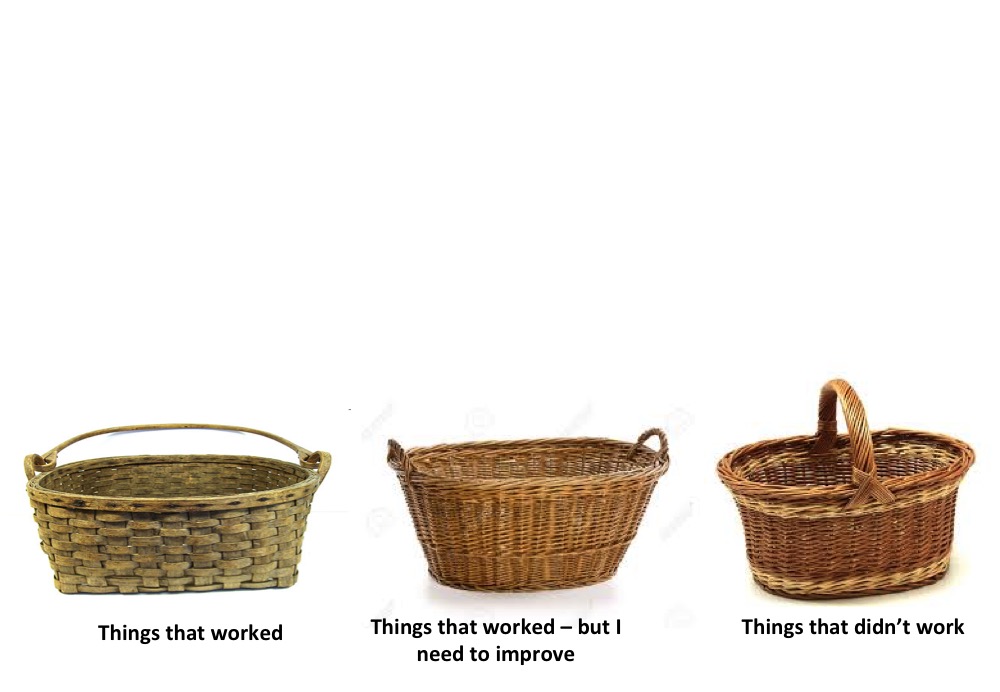
Now using the three baskets, offer an overall assessment of the changes you have made. Identify:
- Things that worked really well. The ones you feel most satisfied with;
- Things that worked okay but need a bit of finessing;
- Things that didn’t seem to work and you quietly stopped doing them.
And finally, ask yourself:
- To what extent have I changed my classroom culture as a result of engagement with Nutshells?
- What more is there to do ?
- What, if anything, is holding me back ?
1.4 Looking back: getting closer to the action.
It’s time now to ask yourself some harder edged questions that link directly with the particular learning behaviours you have been working on in the last few months.
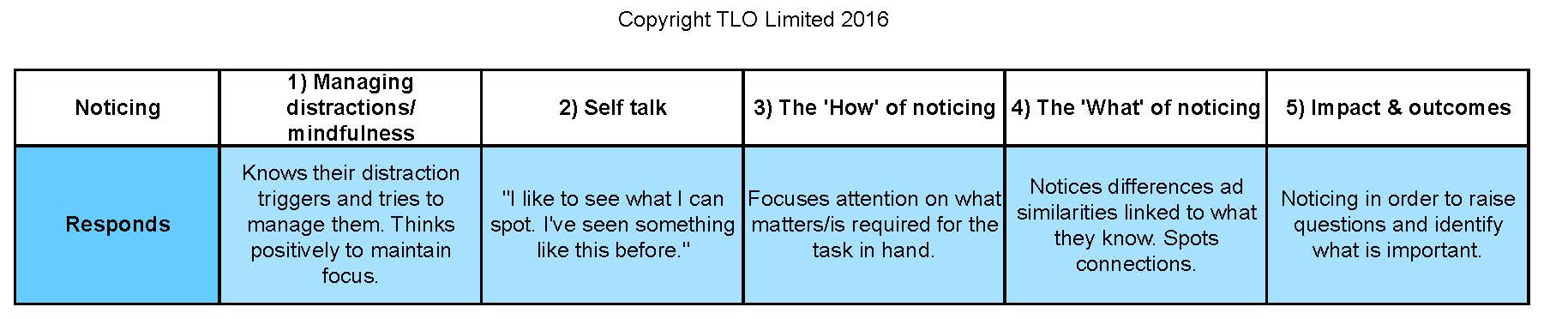
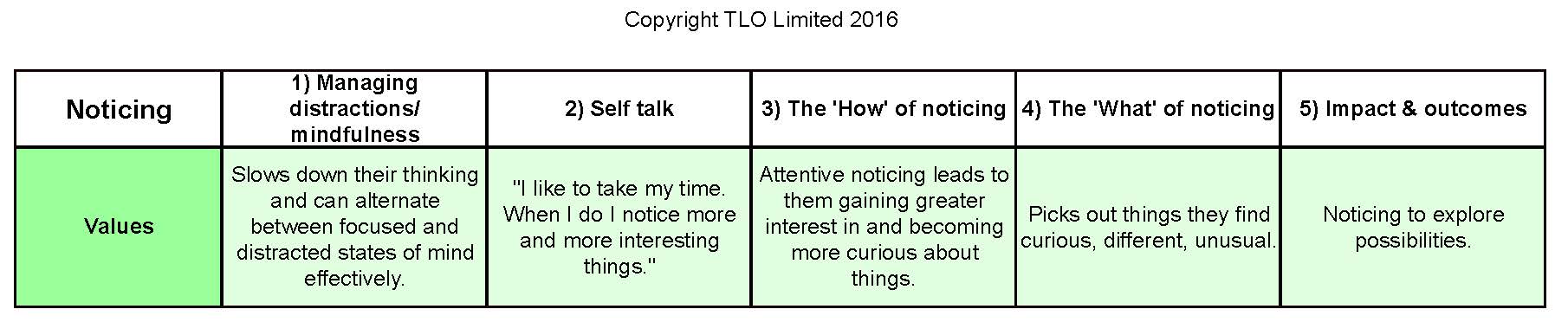
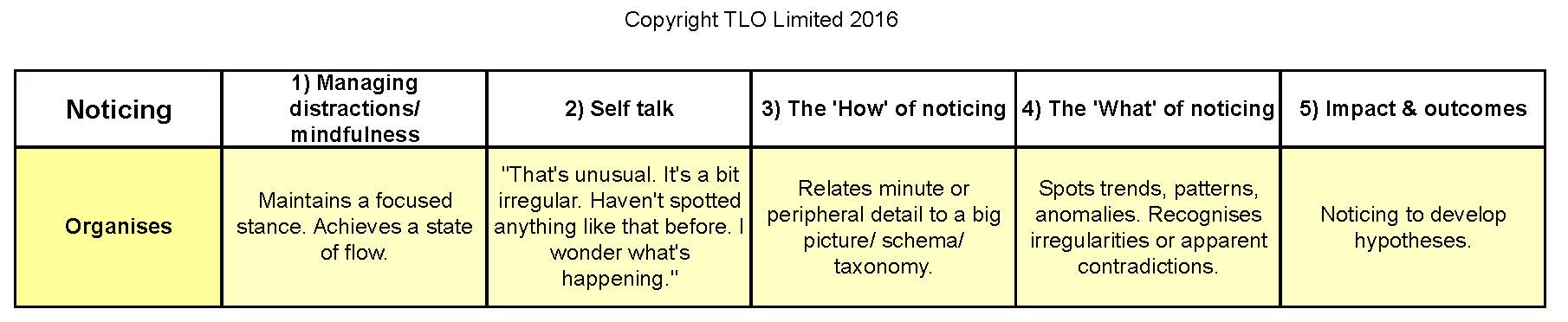
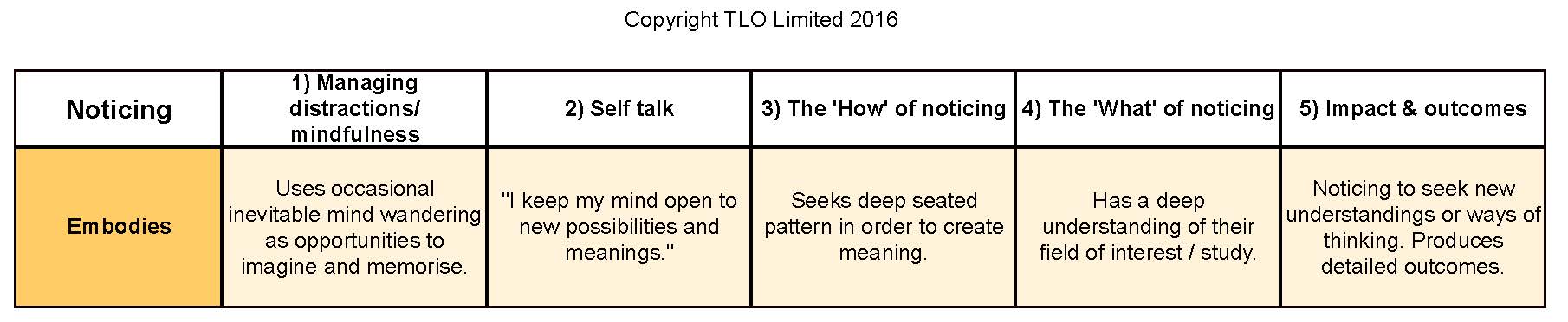
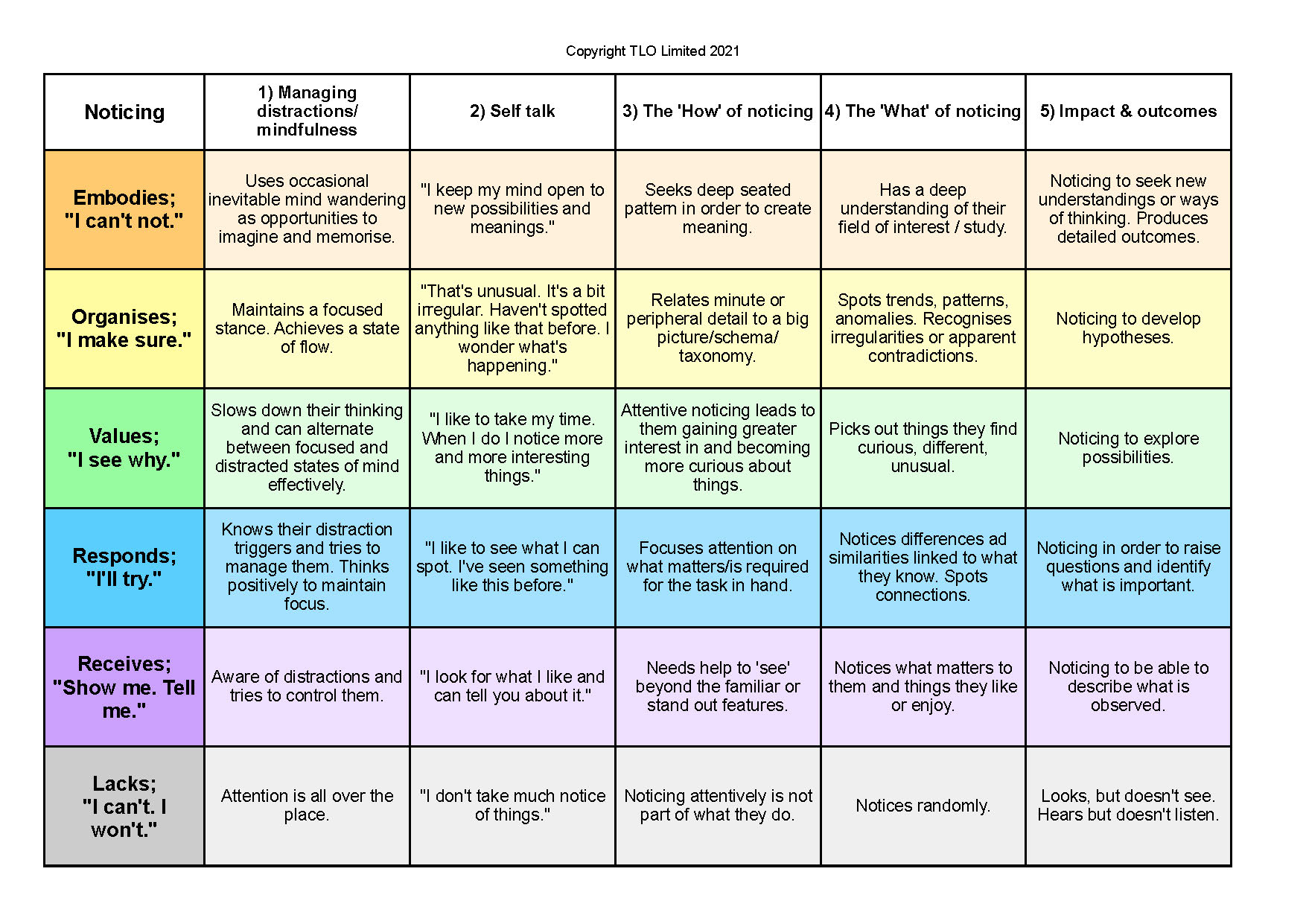
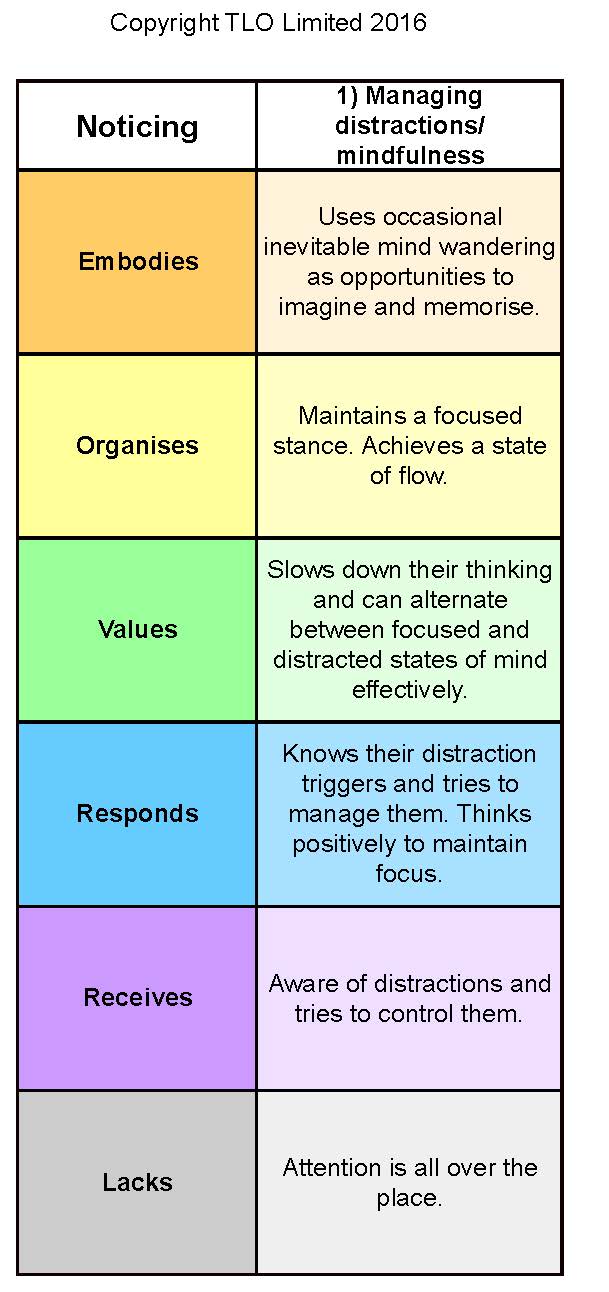
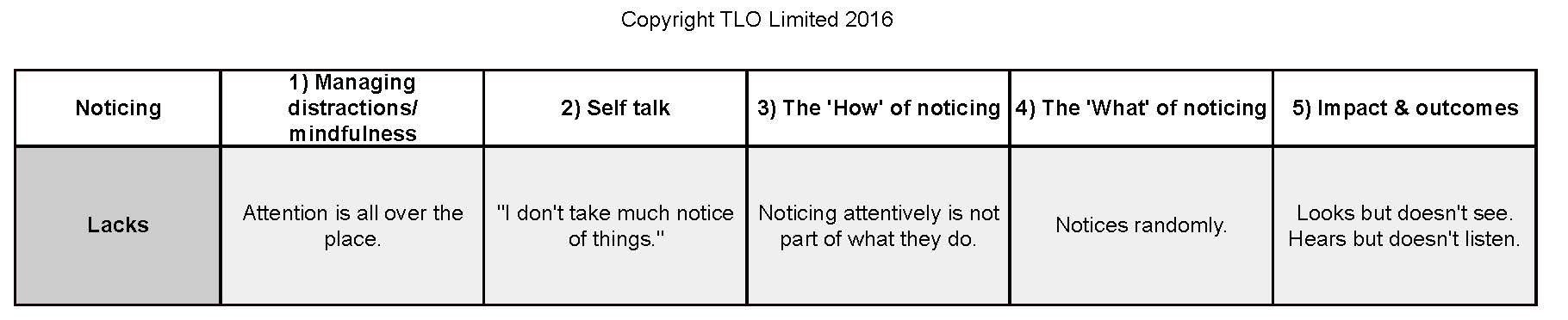
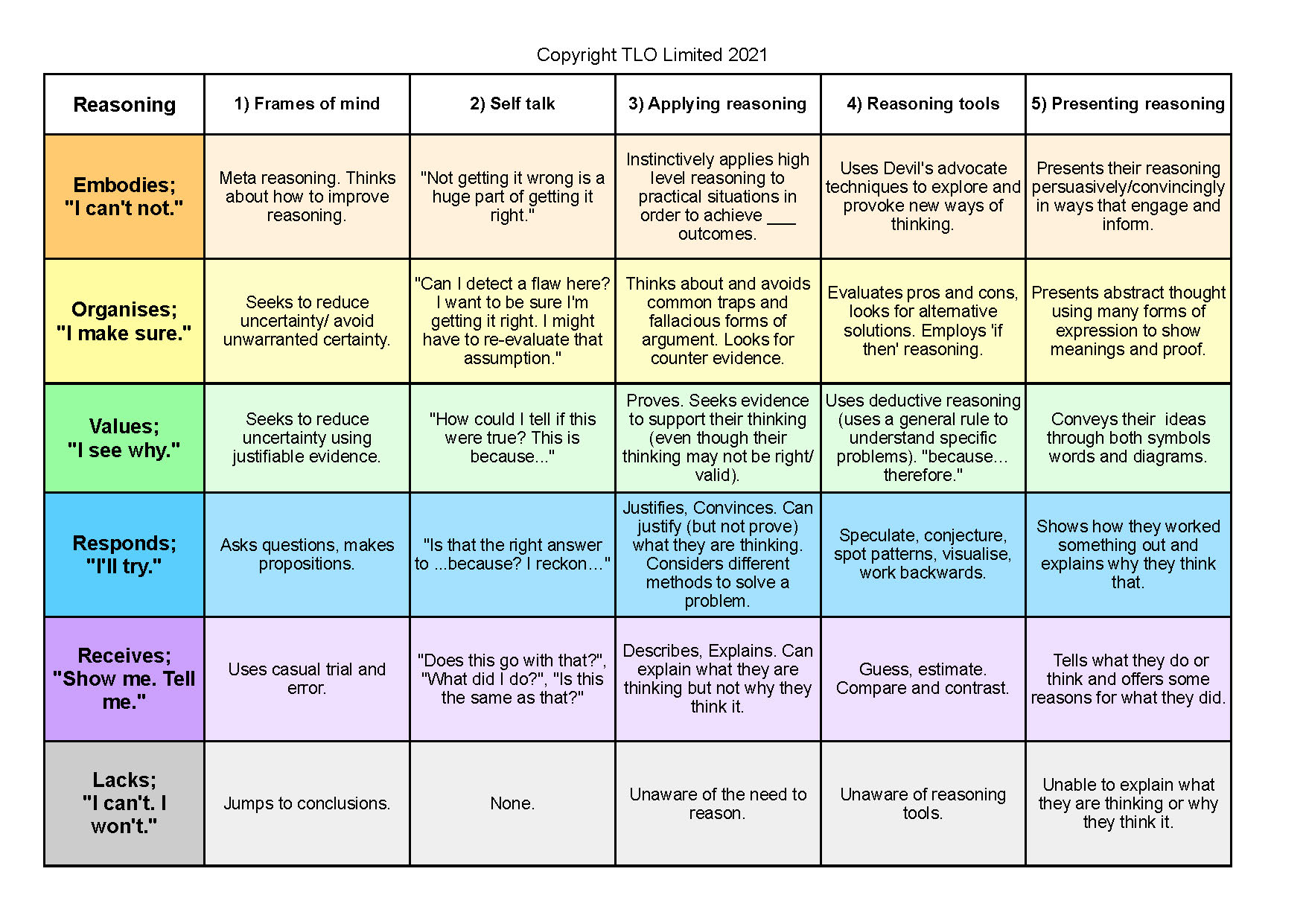
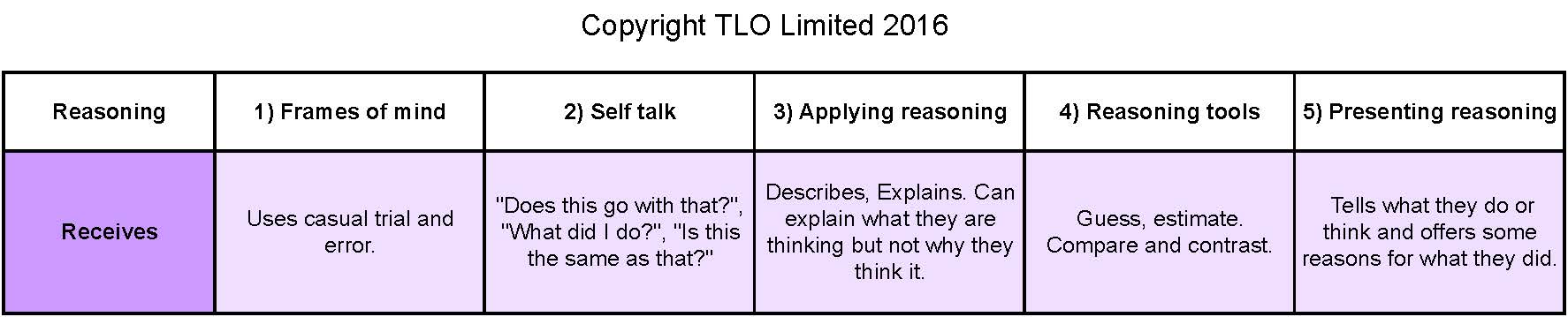
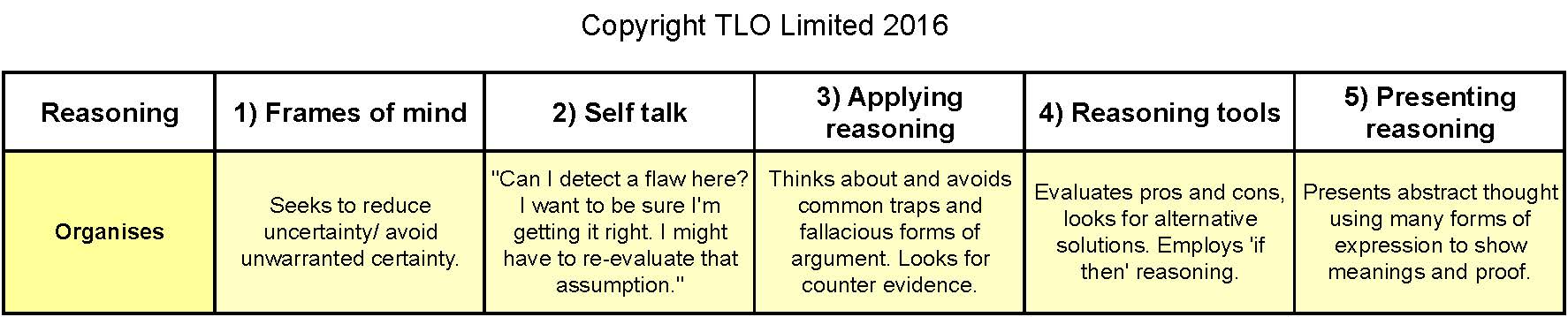
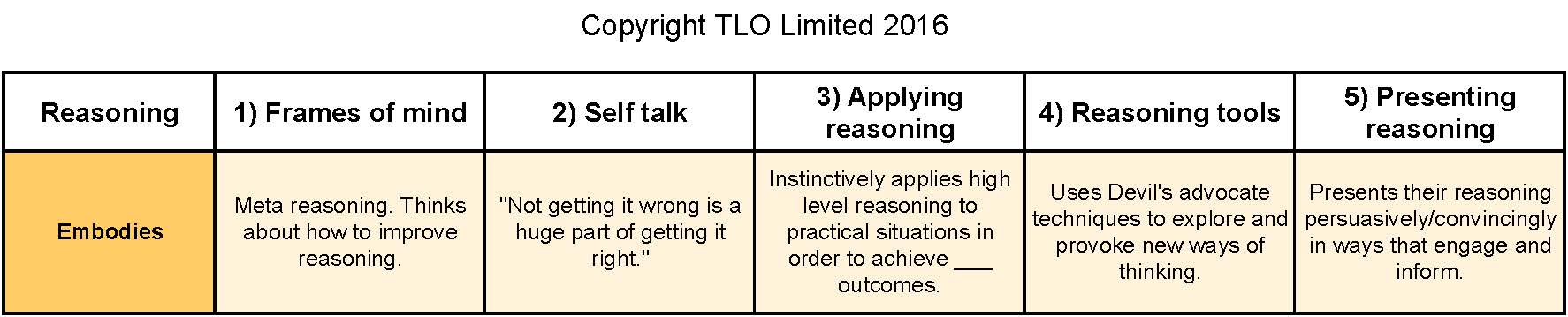
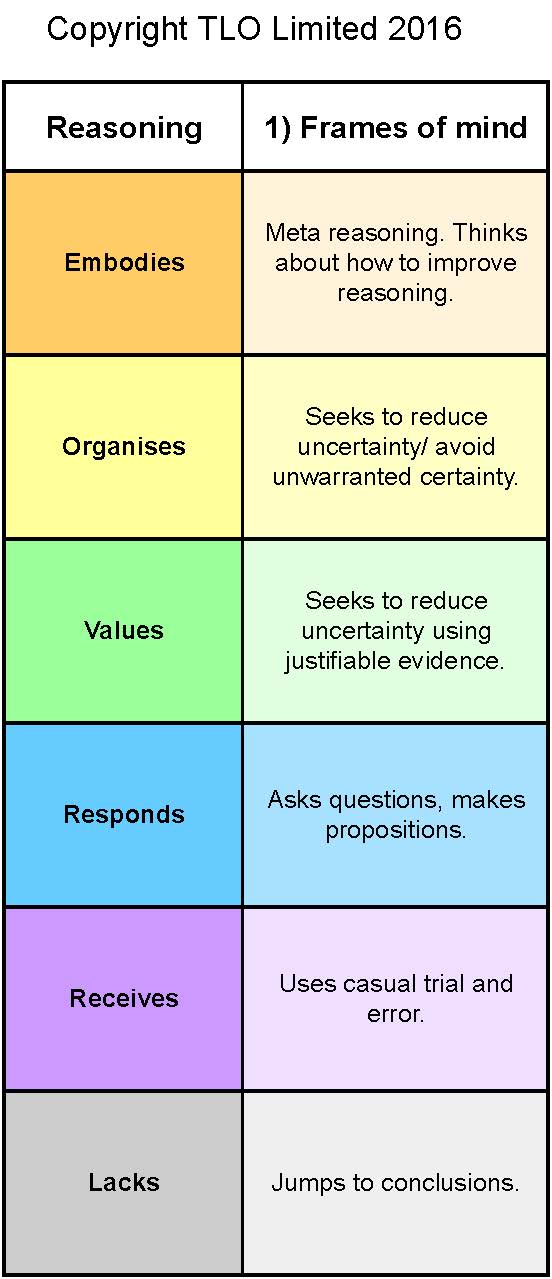
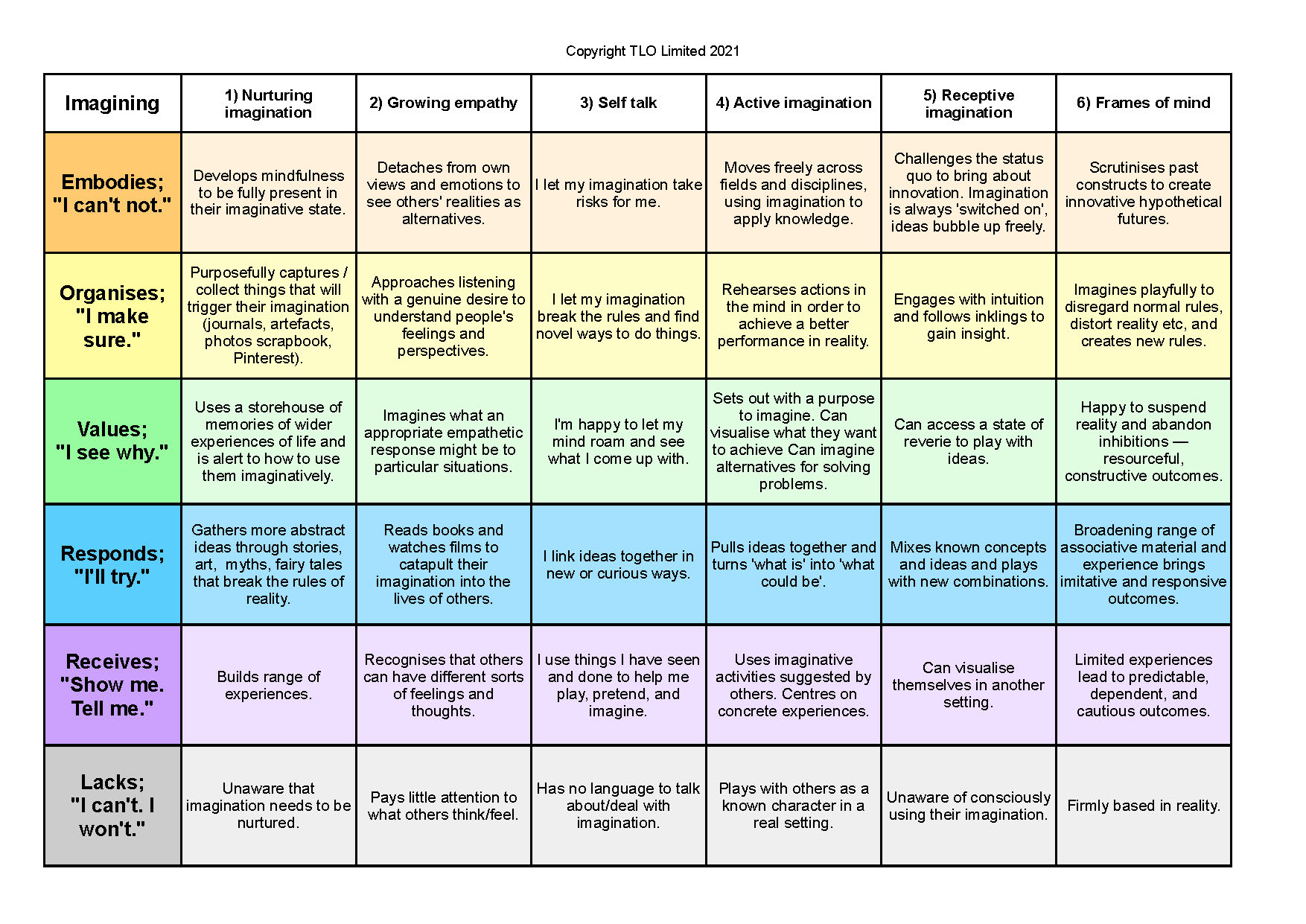
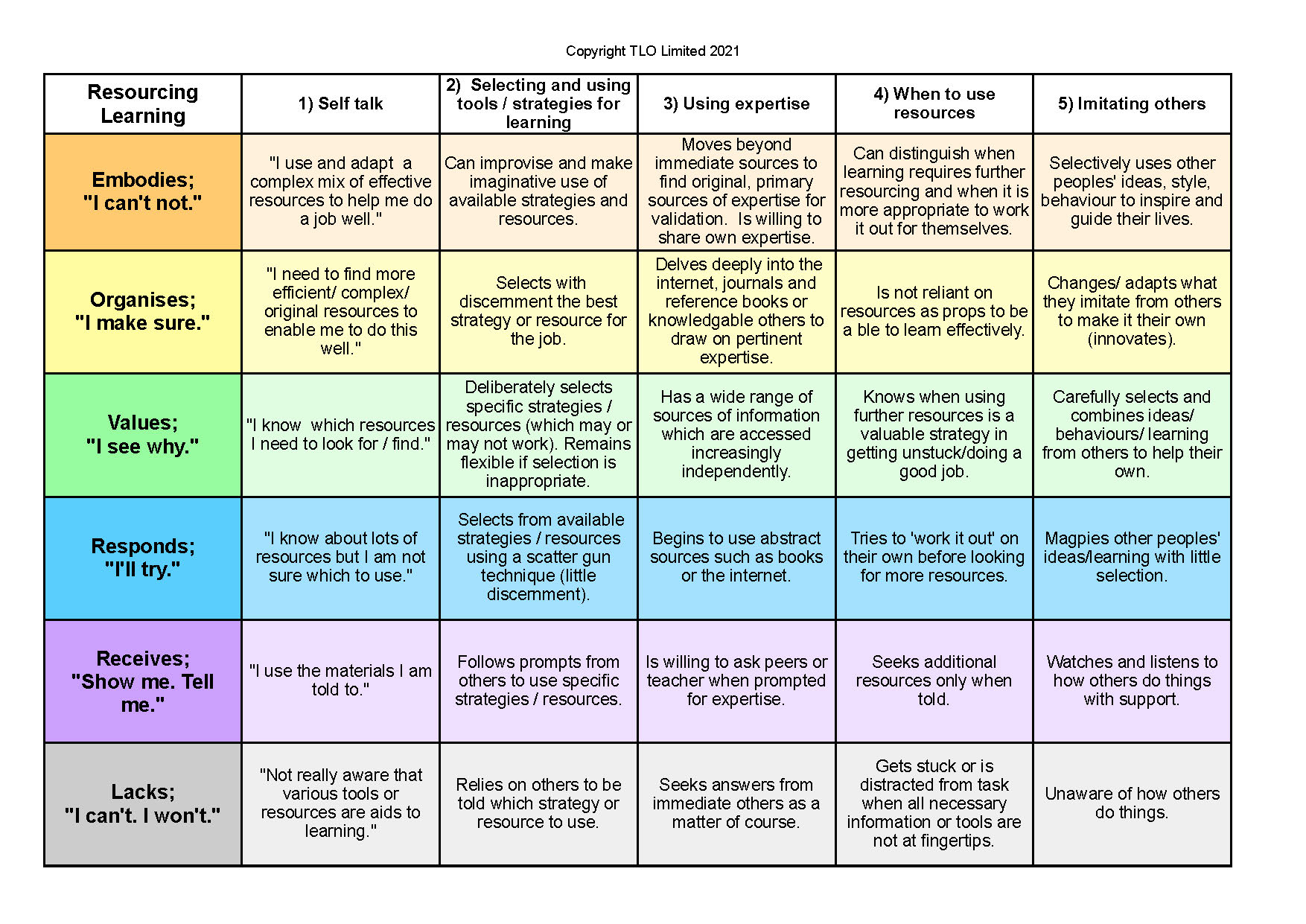
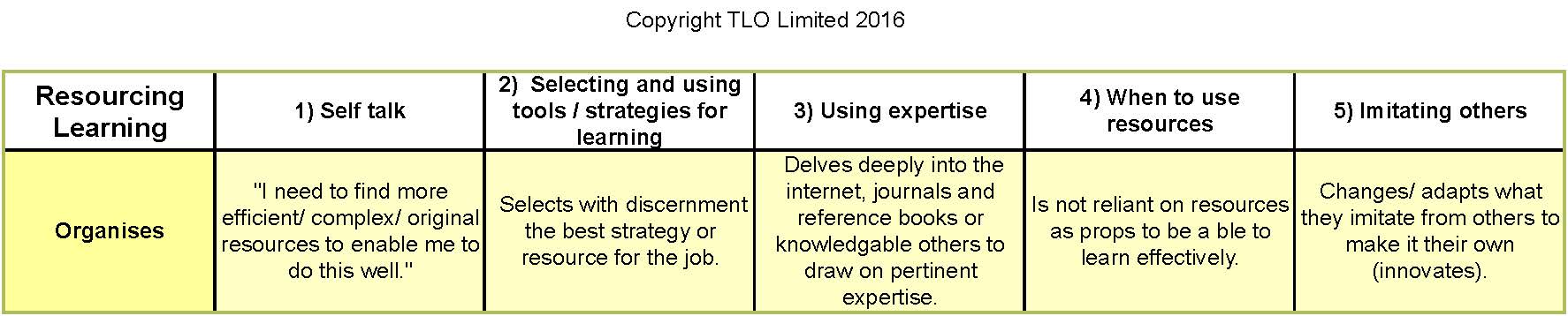
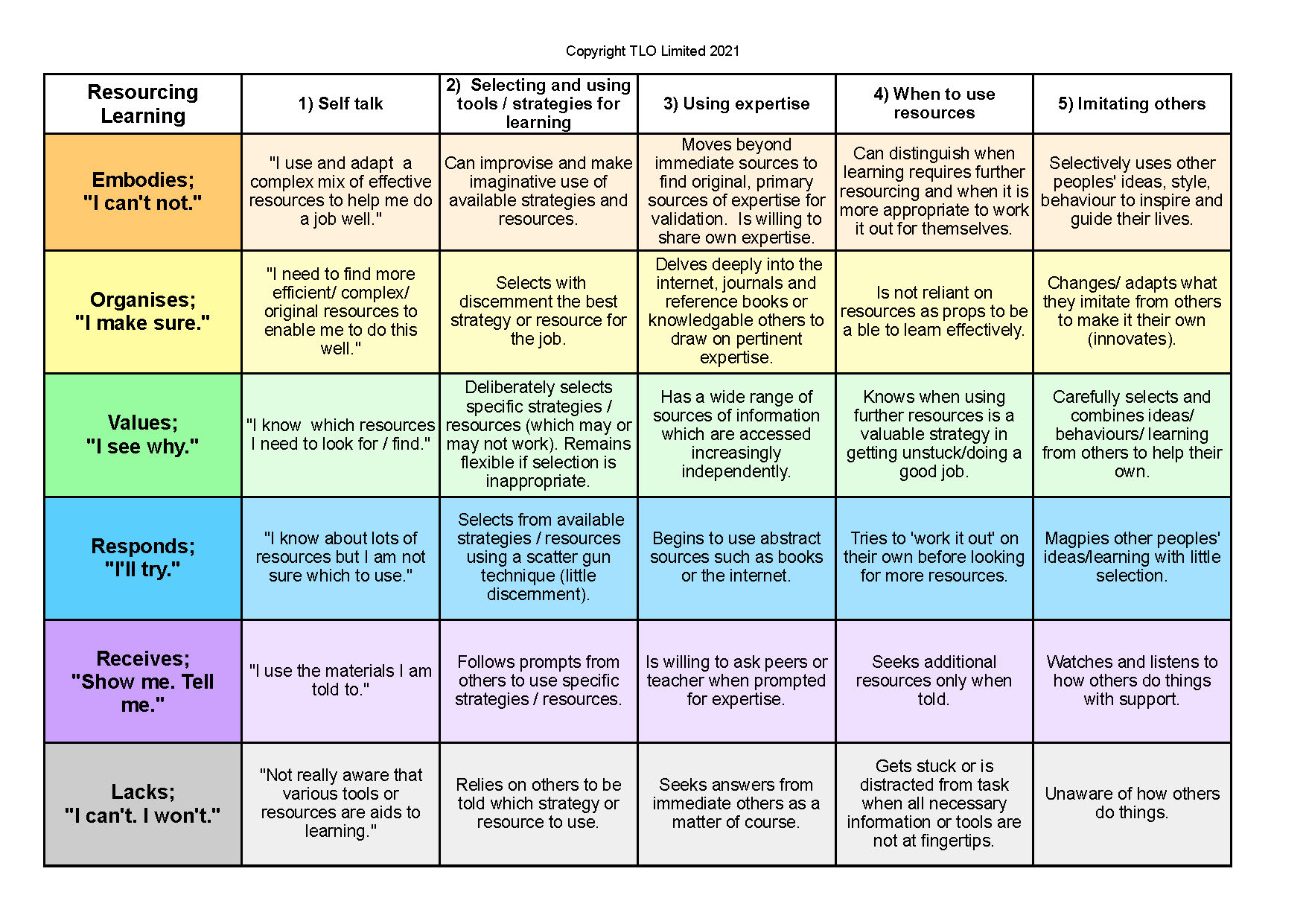
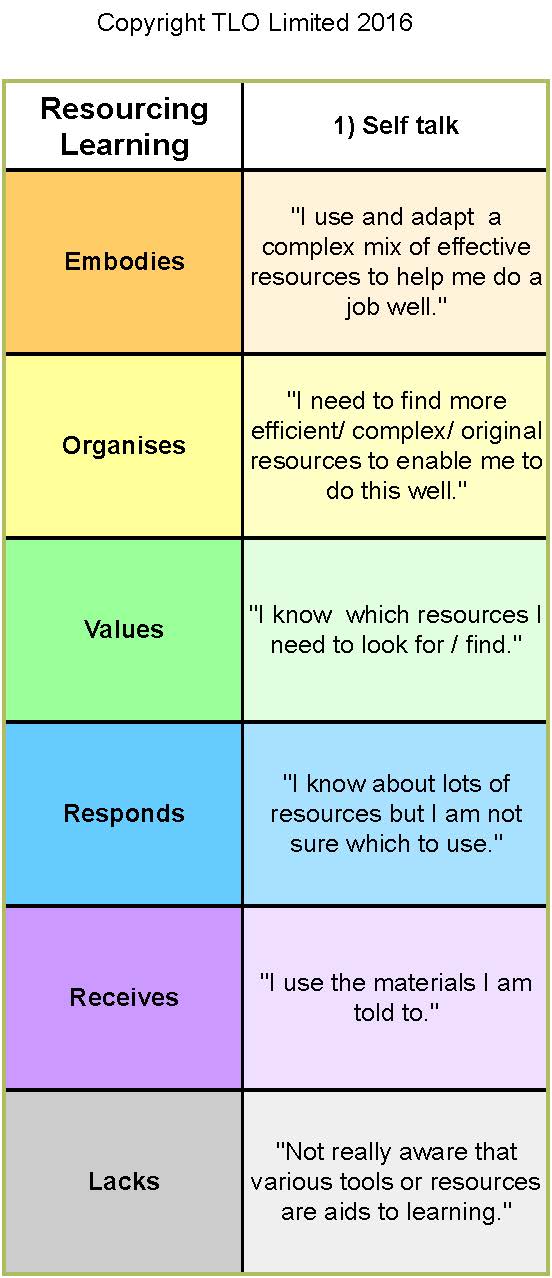
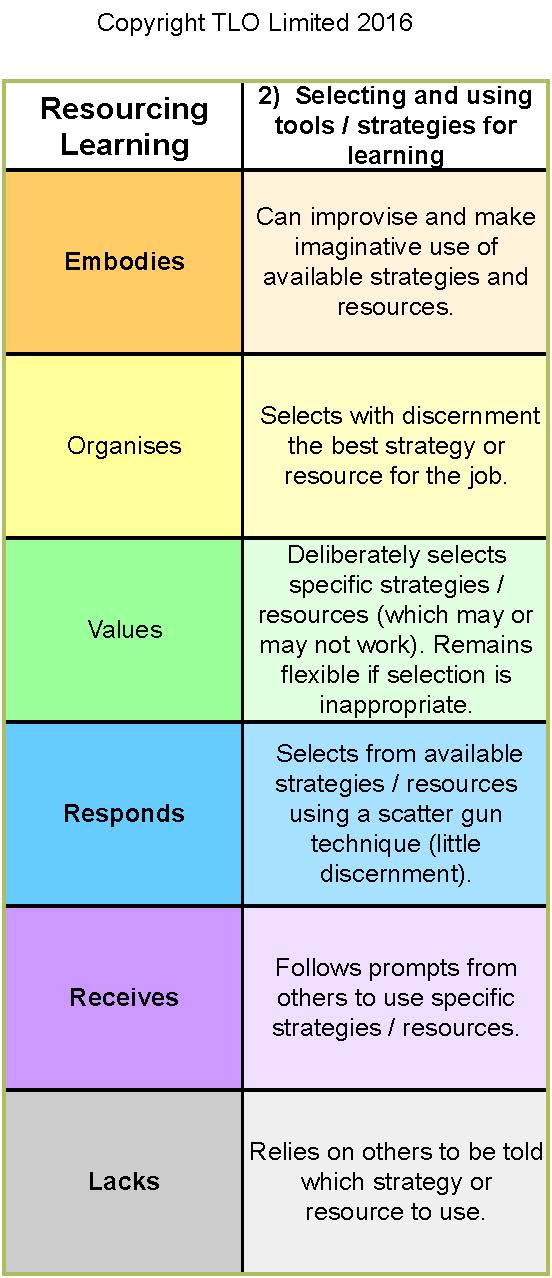
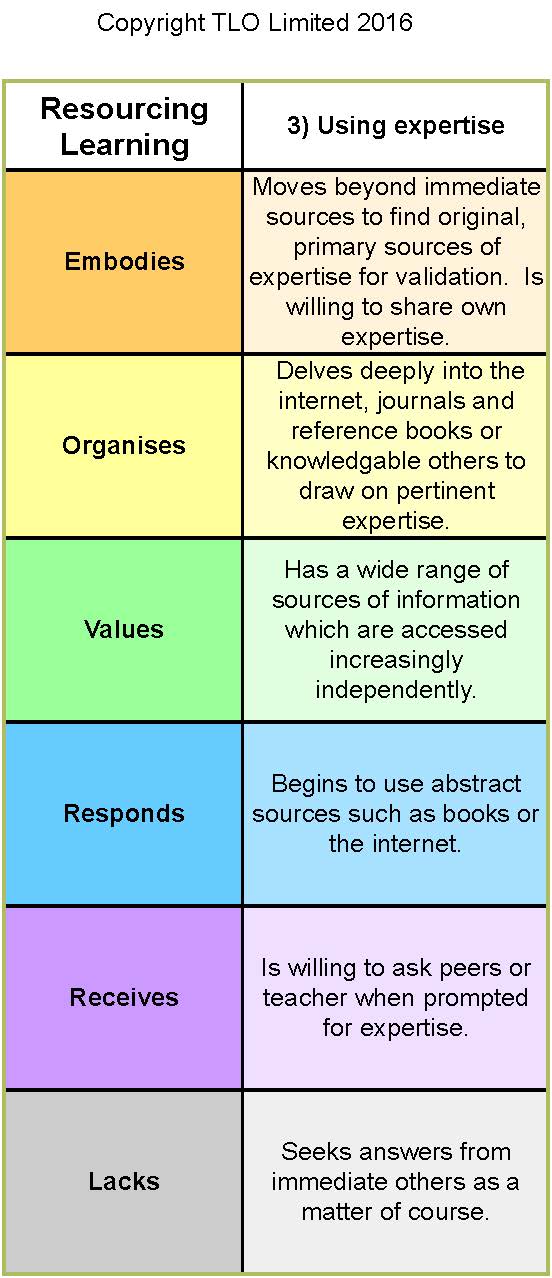
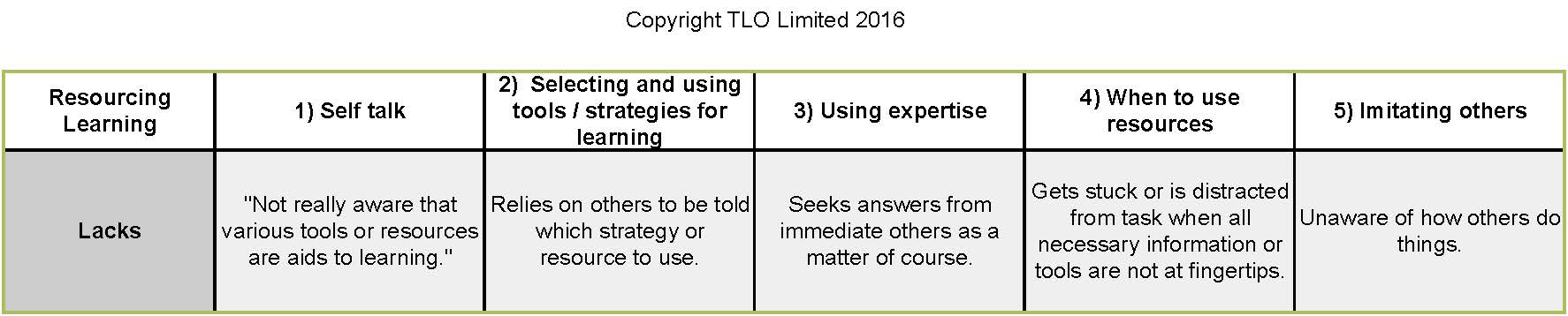
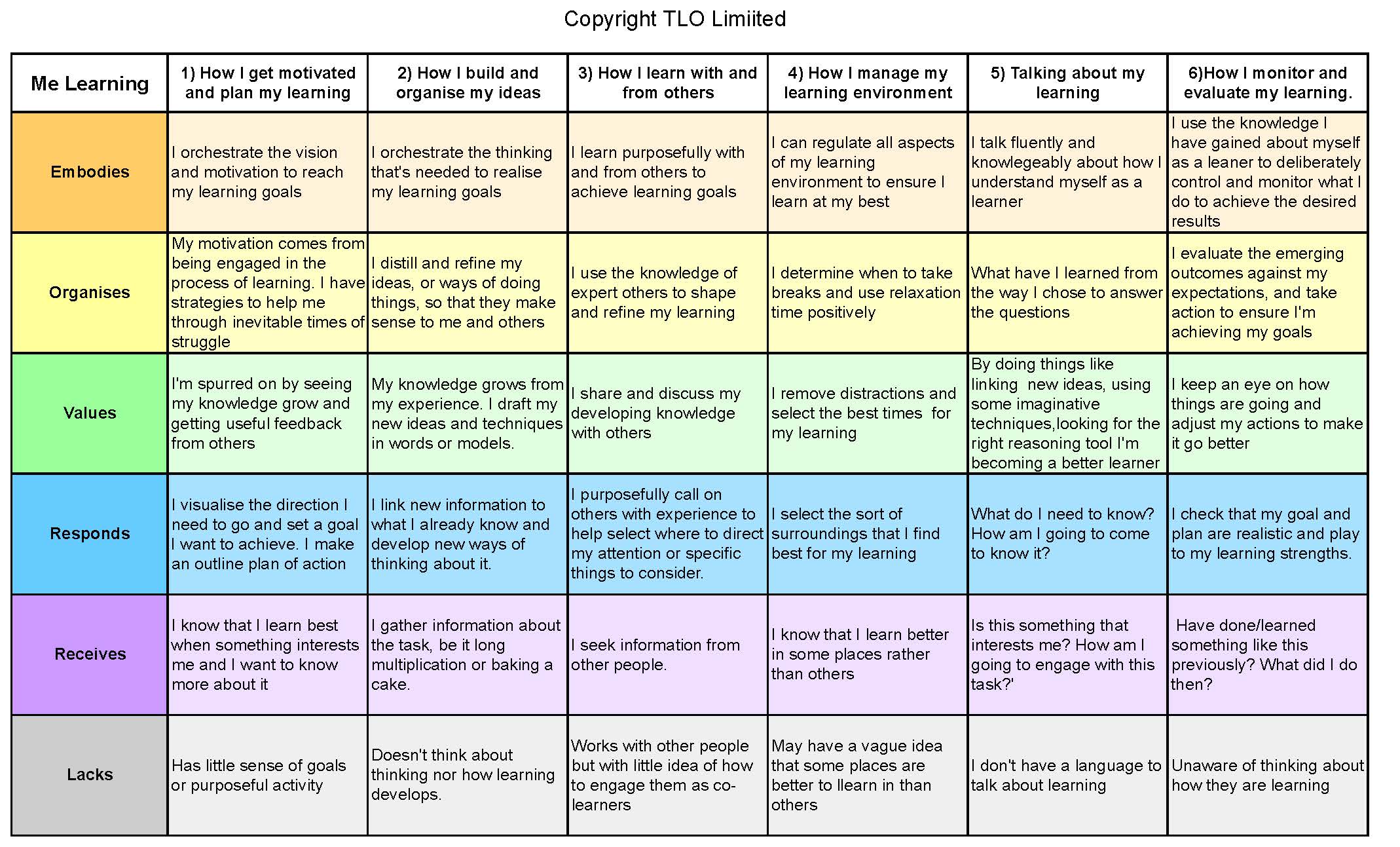
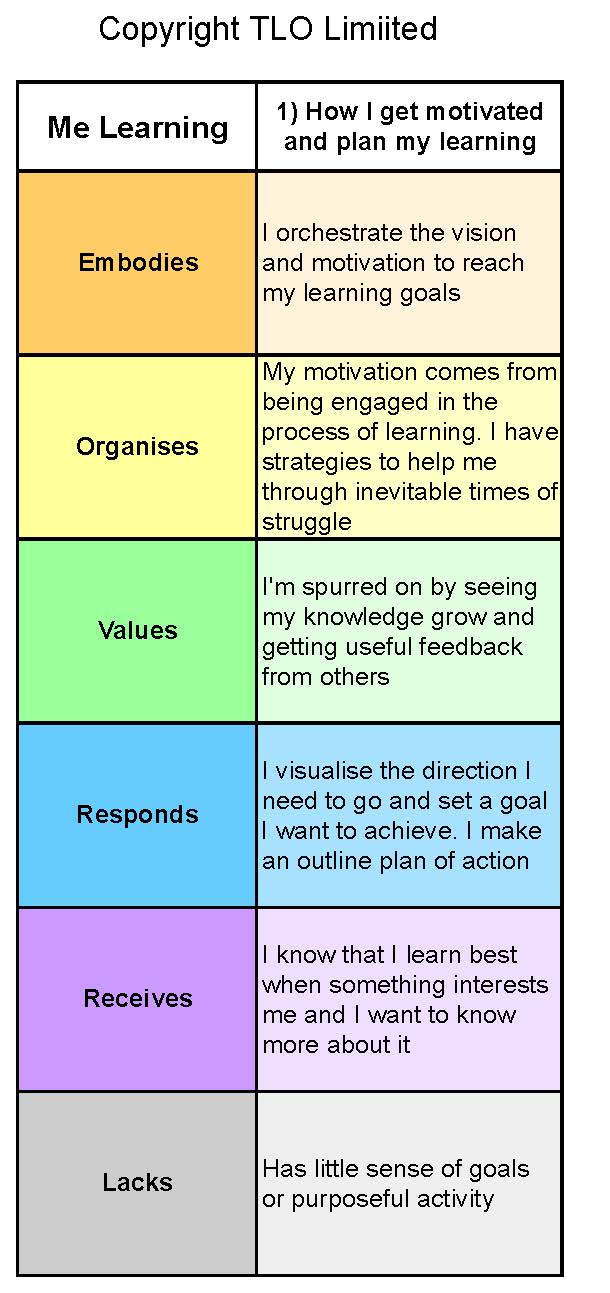
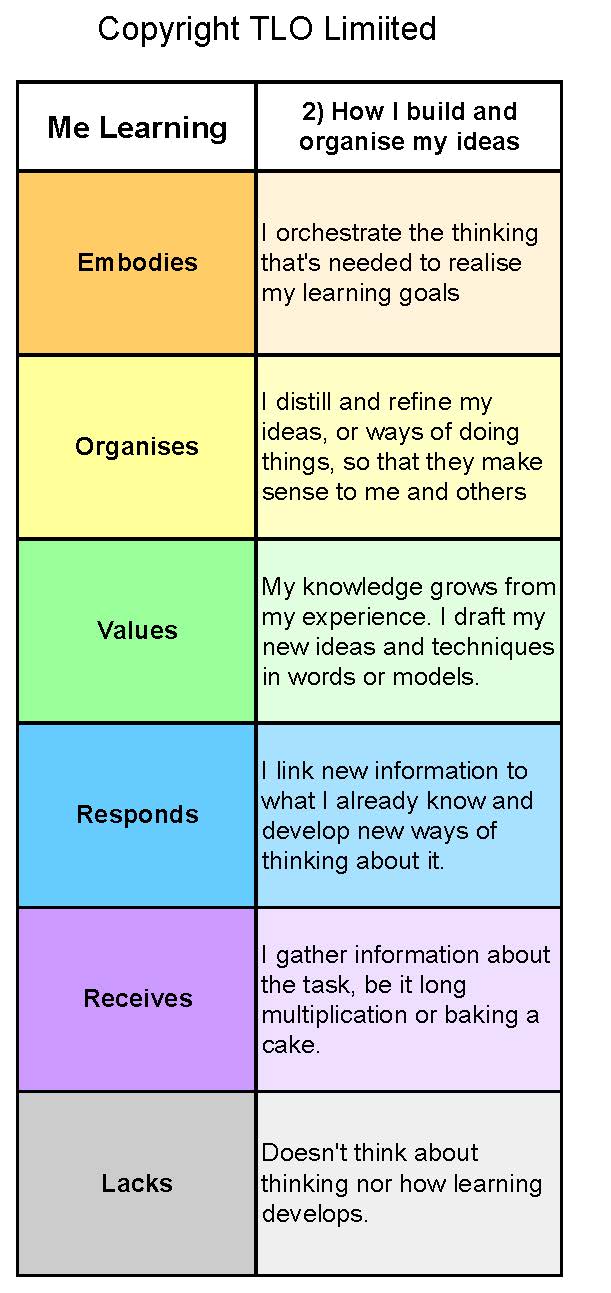
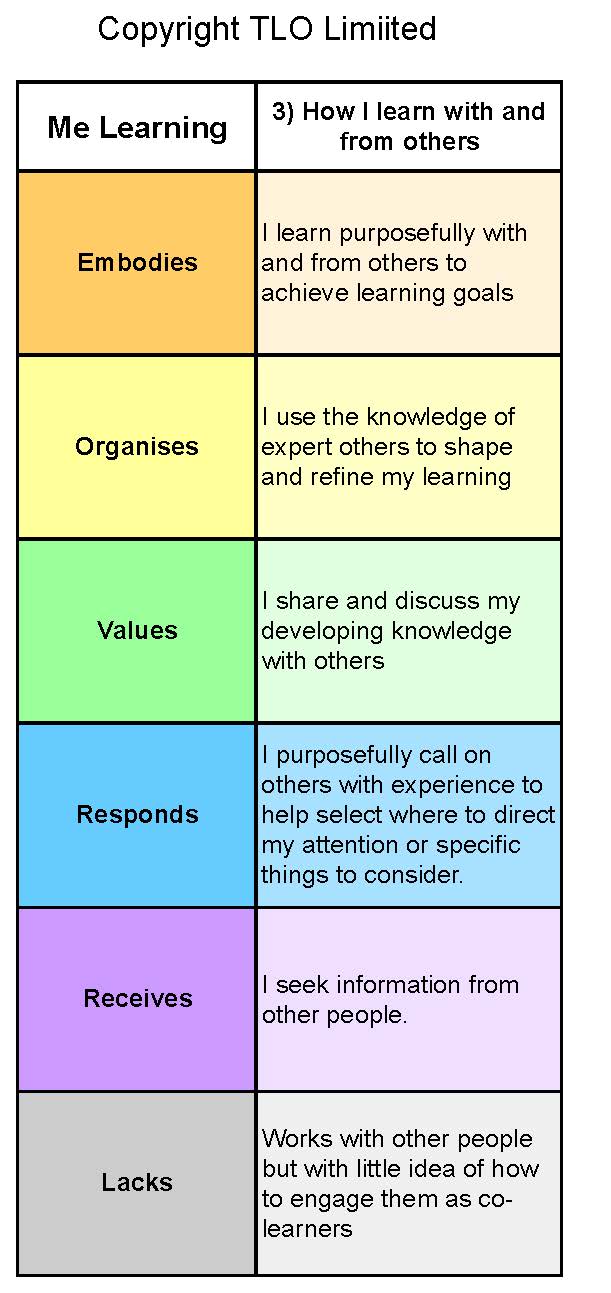
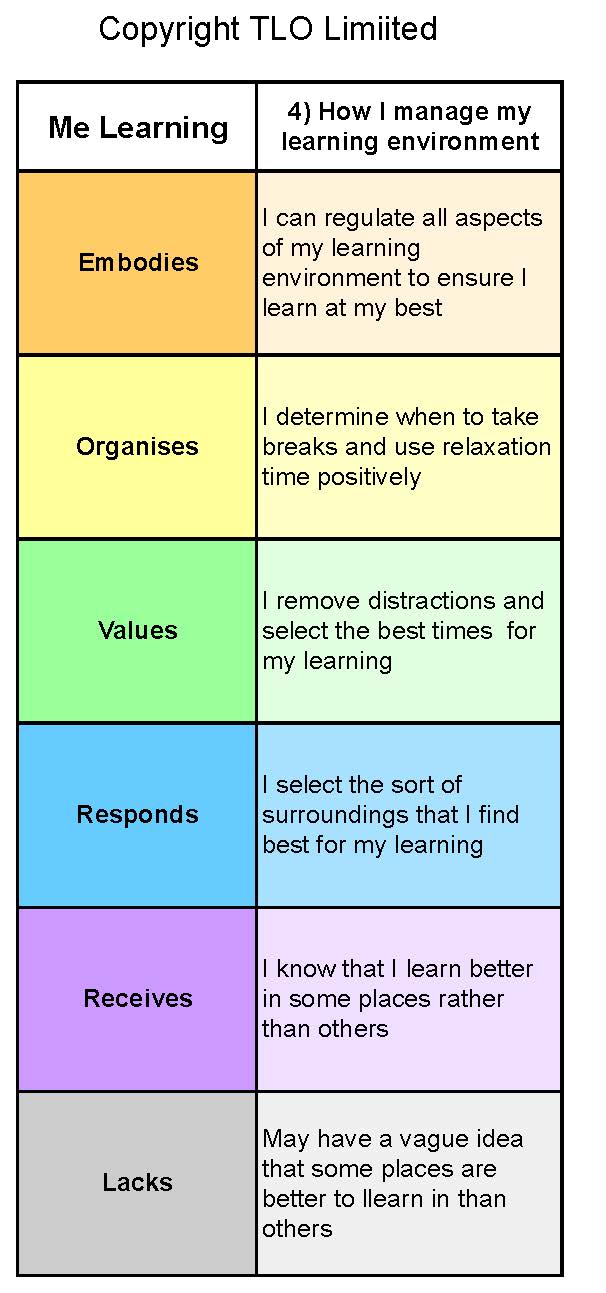
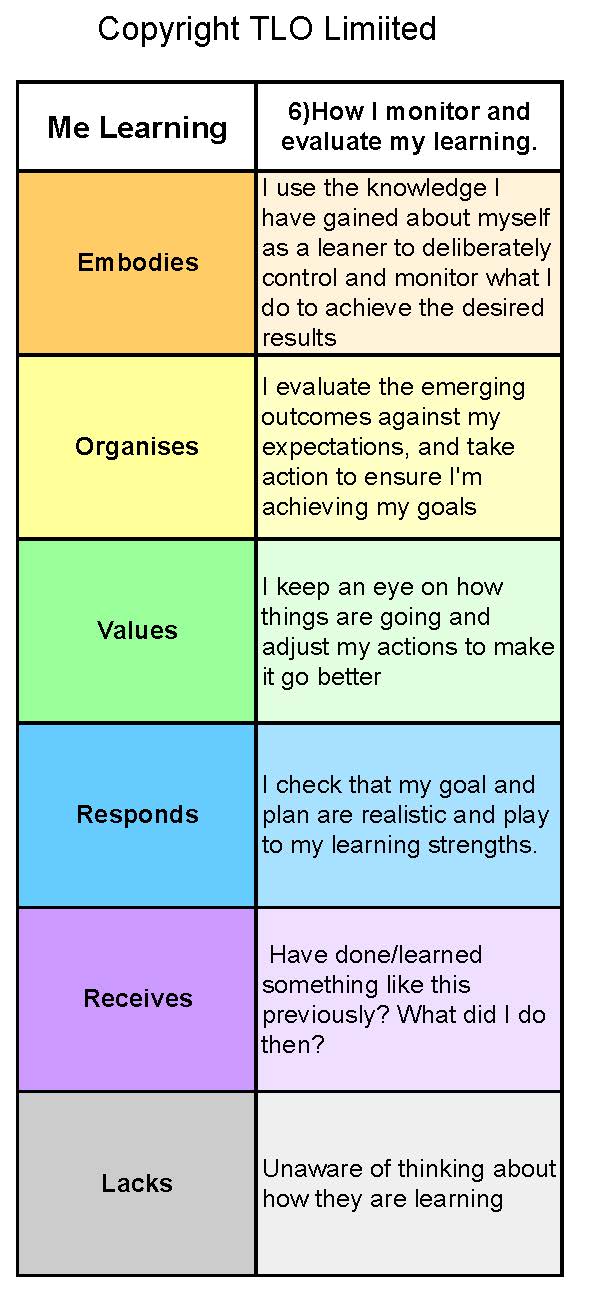
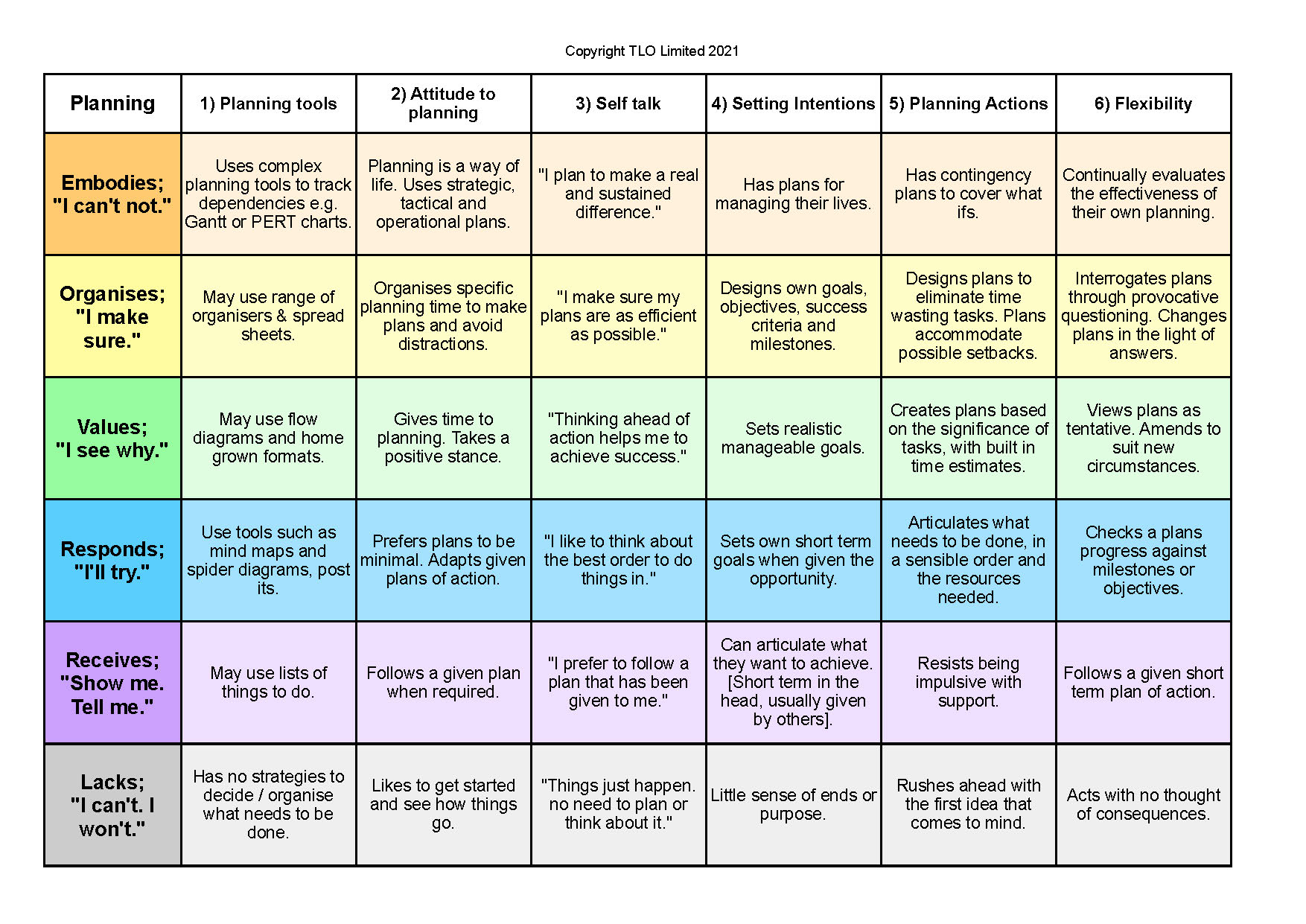
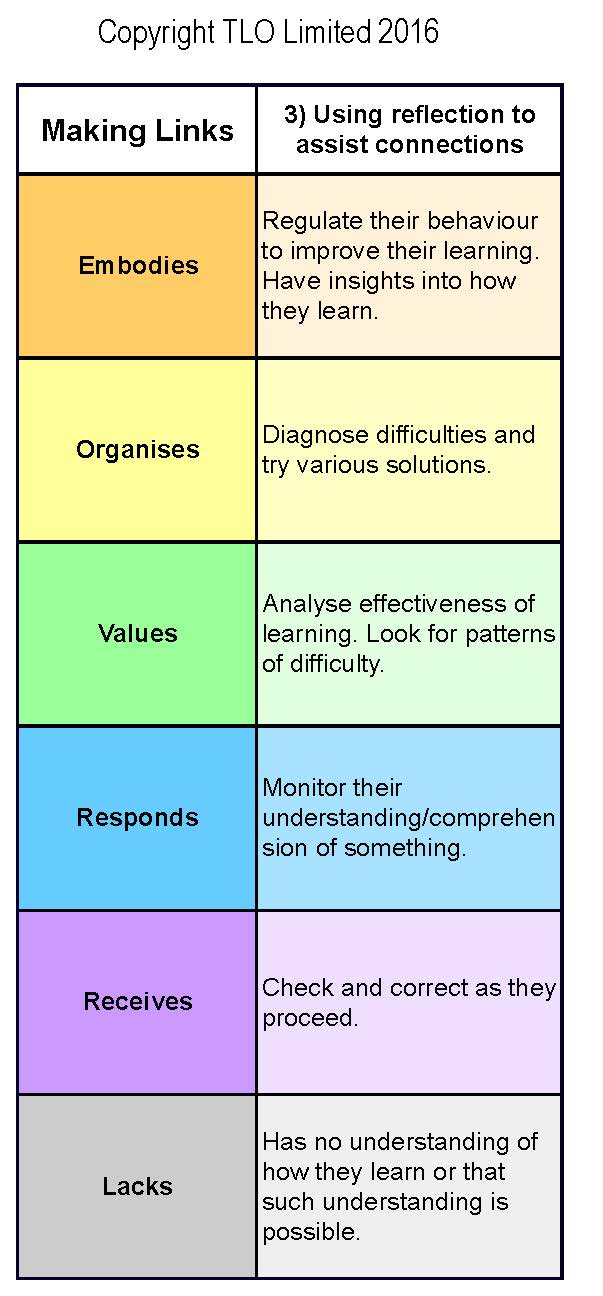
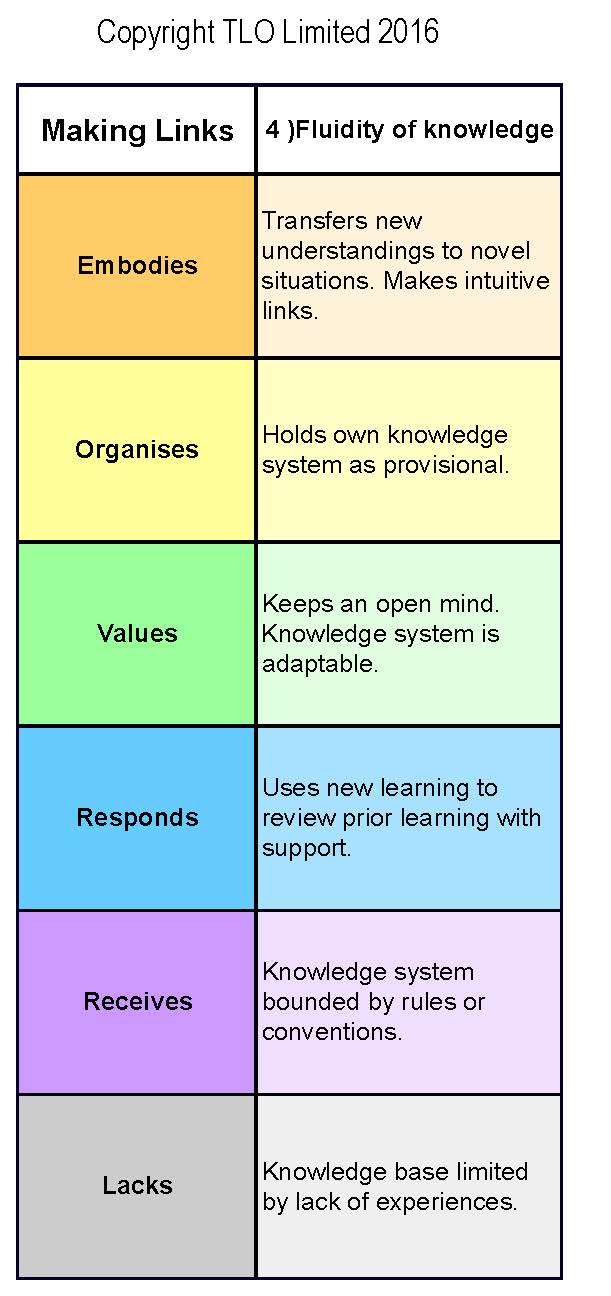
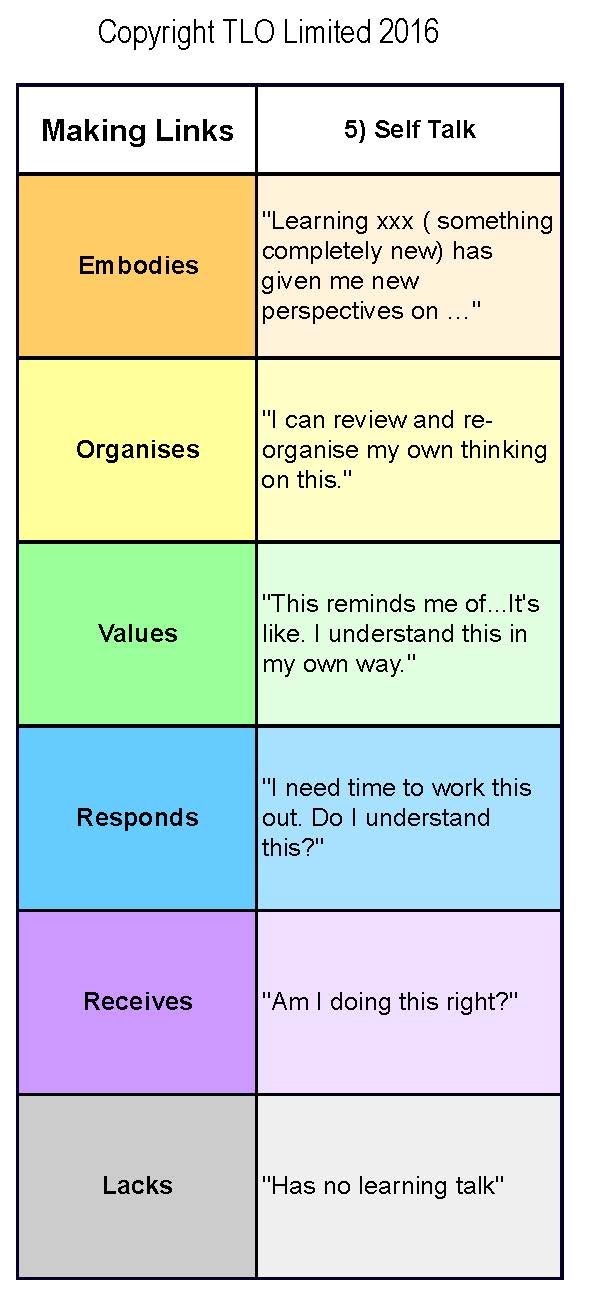
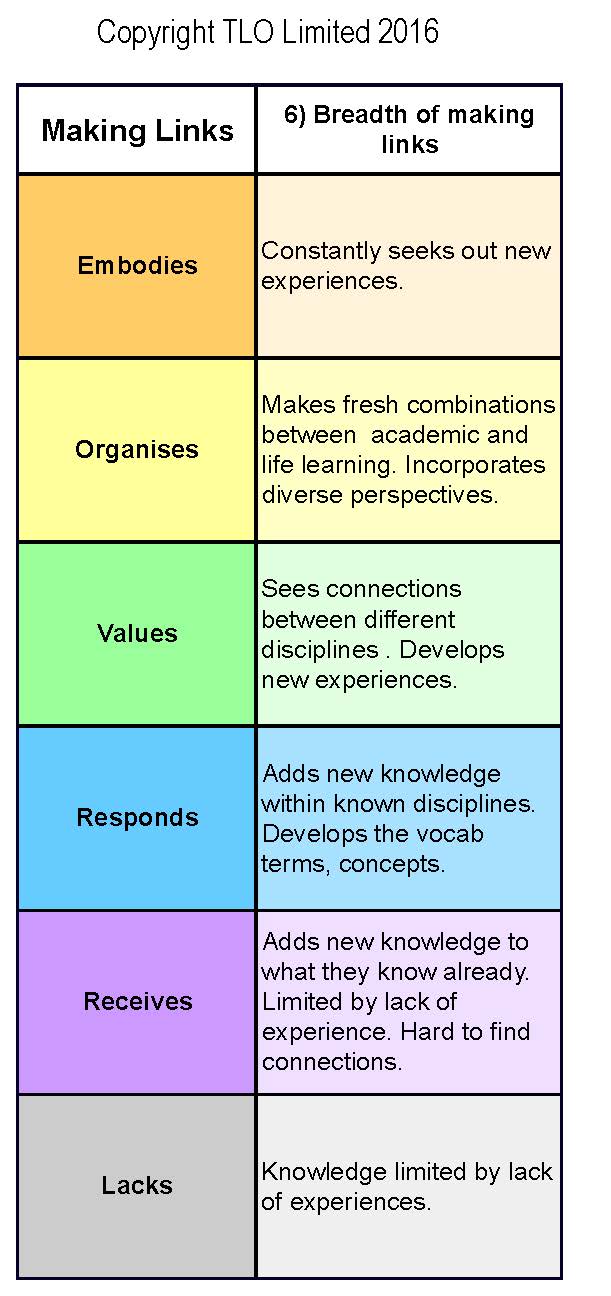
Firstly download the progression grids relating to the behaviours that you have chosen to focus on. [You will have already met these in the Stepping Stones 2 modules.]
Reviewing Activity: For your chosen learning behaviours, consider where the majority of your students are now secure. Ignore the ‘outliers’ – the consummate learners who appear towards the top of the grids, and the reluctant ones who barely get on to the bottom rung.
Focus on the majority of learners:
- Which behaviours are now secure ?
- Which ones are developing ?
- Which are not yet evident ?
Colour in the grid(s) to show / capture your thinking.
[It will be interesting see this for different year groups to look for differences by age when you meet with your team.]When you met these learning behaviours in Stepping Stones 2, your first task was to download this grid and to estimate where your learners were secure at that time.
If you have these originals to hand:
- Compare your learners then with your learners now;
- Is there any evidence of improvement ?
- Have they improved in the areas on which you have focused?
If you cannot lay your hands on the originals, cast your mind back to how you probably filled it in back then, and consider the three bullet points above.
Distil your thinking
Ask yourself:
- To what extent, and in which areas, have my students improved as learners?
- Which specific skills have they secured?
- Which ones are still to be developed / secured?
- What have you done / will you do to achieve this?
- Which ones remain stubbornly unchanged ?
- What might you do differently to trigger improvements?