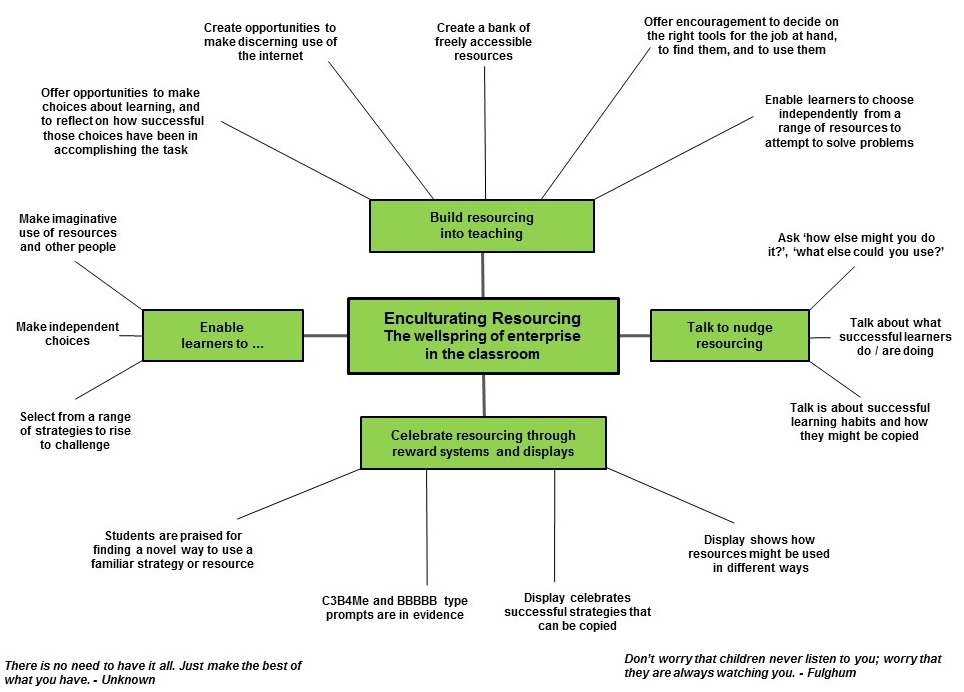
Some ideas to encourage a Capitalising frame of mind.
In the early stages of building your students’ learning power your role is to; make them aware of the behaviour; talk about it (what, how, why, when, if); celebrate its use; give opportunities to practise it, both in lessons and elsewhere; reflect on it to improve it. This staged start is reflected below…
- Firstly… make students aware of the use and importance of capitalising…when, where, why, how they are or could be doing it
- Then… explore capitalising a little more through the language of capitalising
- Try… using capitalising as a lesson starter to tune students into using it
- Then start… blending capitalising into the way you teach the content. Use specific capitalising strategies to deepen content understanding.
- Ensure… students reflect on the success or otherwise of their capitalising frame of mind.
1. Make students aware of Capitalising
How you make students aware of the words that describe the behaviour and why it is important to use it.
Primary
Organise the classroom for easy access to resources
The obvious starting point is to organise classrooms in such a way that pupils are able to select, get and return the resources they need.
Design tasks that require the use of a range of resources and gradually expect the children to select what they need.
At the beginning of a session talk with the children about the things they might use to help them with their learning.
As the pupils’ understanding grows introduce the idea of “learning tools” and start filling a plastic toolbox with things like a ruler, calculator, notepad and pencil. Keep asking the children for new ideas and regularly look through it together.
Secondary
Learn from expert interviews

Set up interviews with people who can do something really well. Develop a series of questions with students to uncover exactly what the ‘expert’ does. E.g. What sort of preparation is there? What resources are needed? What does it feel like? What sort of thinking, habits of mind, values or beliefs are helpful?
Create a checklist of key aspects to imitate.
Extend with students in the role of real or imaginary expert, encouraging them to assess their own subconscious knowledge of how to succeed.
Primary
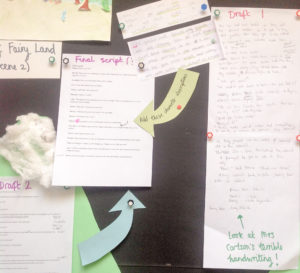
Use display to share key learning

Set aside an area of display where students are asked to share any strategies or ‘top tips’ that they have found particularly helpful in their own learning.
Set up a Helpful Habit board for tips from students to others about habits which might help them to achieve their long or short term goals. For those offering the ‘top tip’ it is a distilling activity, but the resulting gallery of ‘top tips’ invites students to adopt the successful strategies of others.
Secondary
Explore how things can be used
 Collect a pile of unrelated objects, or ask students to bring in one object each and mix them in random groupings – eg a copper tube, piece of cloth, felt pen, blu-tack.
Challenge students to make as many things as they can from the objects, using all of them but nothing else.
Discuss examples of particularly imaginative / effective use of materials and whether these ideas can be used in another context.
2. Exploring the language of Capitalising
How you might extend the language and understanding of this behaviour
Primary
Discuss capitalising
Use language to encourage thinking about capitalising. Build these into your learning language:
- Have you thought about what would help you to do this?
- Just think about all the things we have in the classroom that might be useful.
- How else might you do it?
- What is everyone else doing?
- Is there anything else that you could use?
- There may be other people who could help you with this.
- Who do you think might know something about this?
- Where could you find out more about this?
- Which of the things you used did you find the most useful?
- If you had to do this again is there anything else you might use to help you?
Secondary
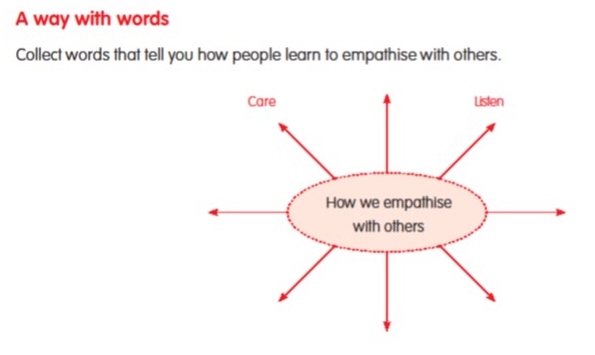
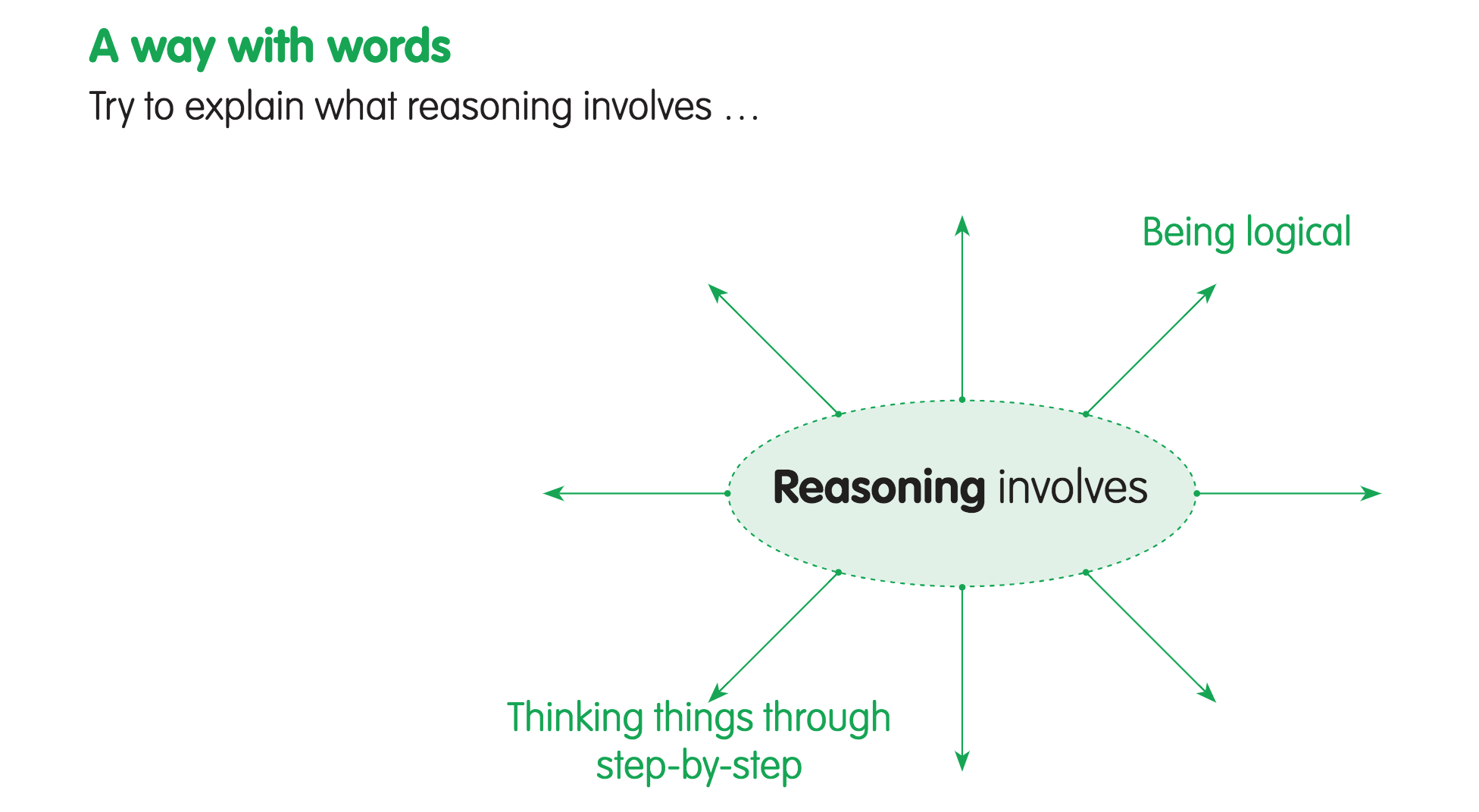
Extend the language of capitalising
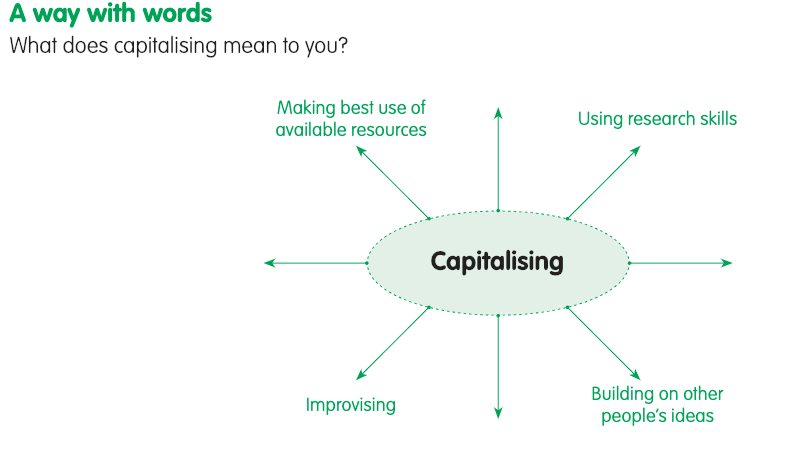
click to enlarge
Collect words and phrases that tell you how people learn to Capitalise on what is around them.
Relate capitalising to well known sayings
There is more than one way to skin a cat
Making the best of a bad job
A bit ‘Heath Robinson’
3. Using Capitalising as a lesson starter
Use a quick starter to key students into the learning behaviour you want to concentrate on in the lesson. i.e. here you are starting up the Capitalising behaviour
Primary
How might we tackle this?
 At the beginning of a session talk with the children about the strategies and things they might use to help them with their learning.
Talk to the children frequently about where they might find information or help.
Offer the children a rich and varied curriculum so that they can start to appreciate that they are learning from lots of different sources using a range of learning strategies.
Secondary
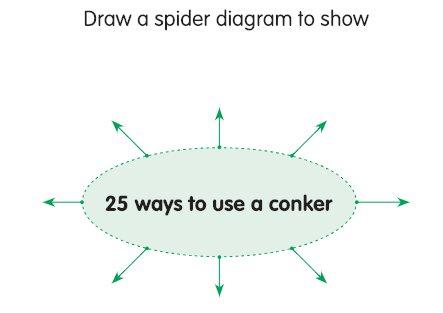
How many uses for . . . .

To get students thinking about how resources can be used in many different ways.
As you develop greater understanding of capitalising you will need to design learning activities which, by their very nature, will deepen students’ tendency to capitalise AND their understanding of the content.
4. Focusing on Capitalising as a learning strategy
Draw out the capitalising behaviour being used in a thinking routine.
Primary and Secondary
Visible Thinking Routine
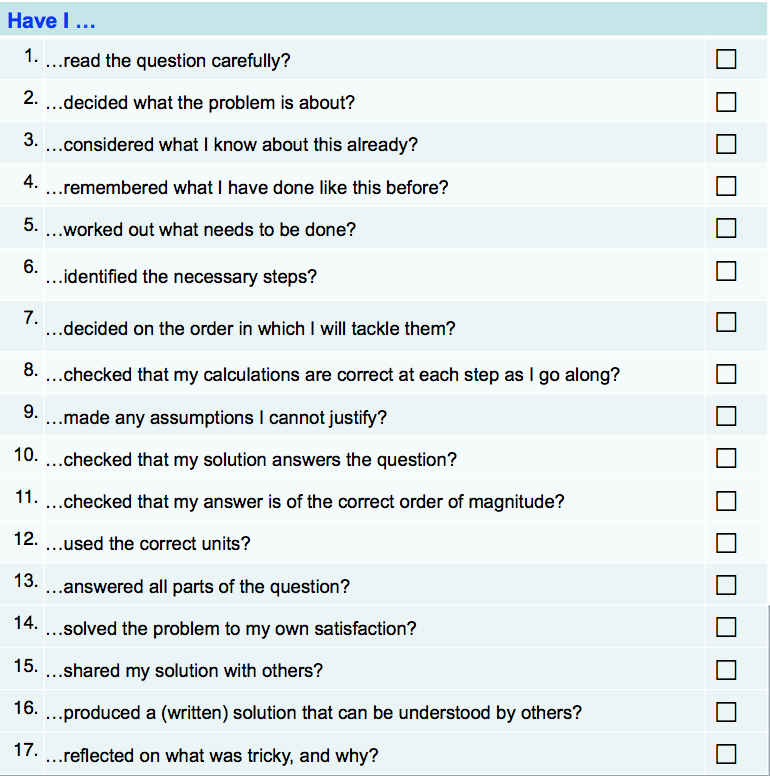
How will you find that out ? This routine helps students to take stock of what they need to find out and to consider the strategies they might use to achieve it. It encourages metacognitive thinking about which learning strategy is most likely to lead to success. The routine has two questions:
- What do you need to know / understand?
- Which strategy is most likely to be successful?
The natural place to use this routine is when students understand what they need to find out but before they make a choice from a range of learning strategies.
And here is an idea that will help students to understand the capitalising process.
5. An activity to highlight and strengthen Capitalising
Design specific activities to highlight and strengthen the behaviour
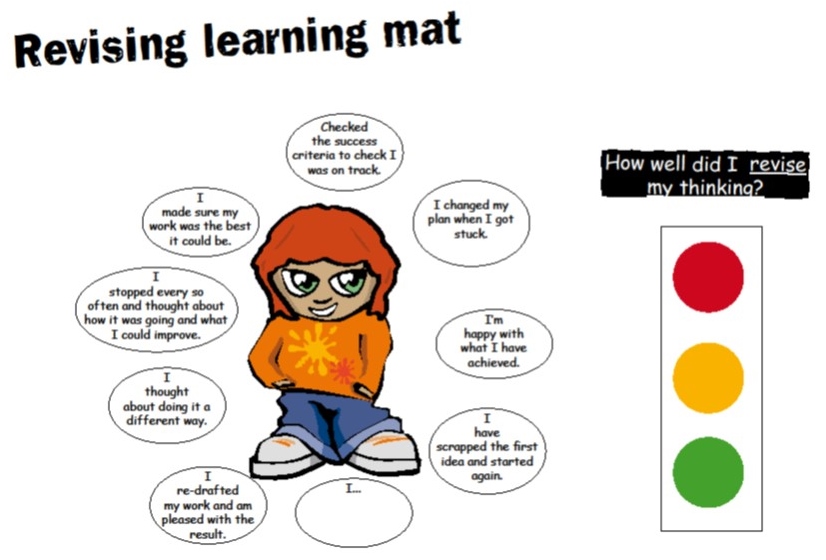
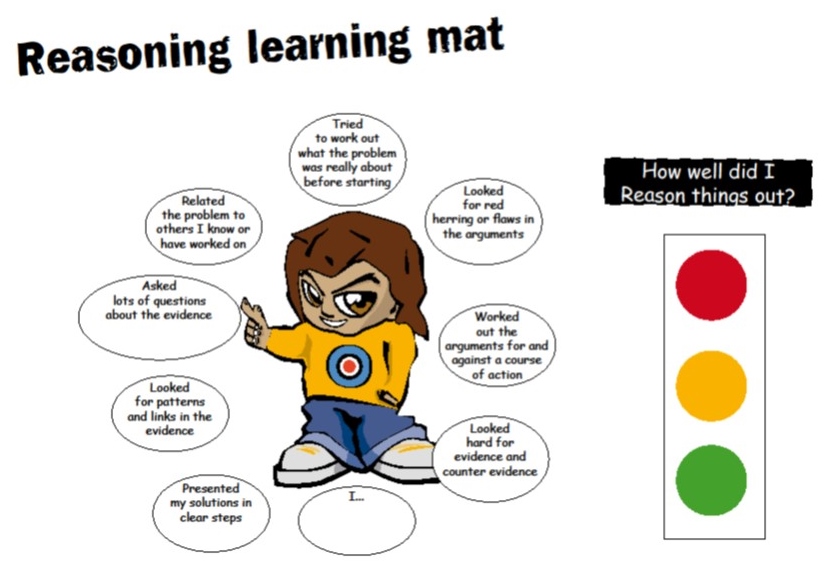
The activity leads to a recognition of the range of resources that can be called upon when seeking to acquire new knowledge, understand the unfamiliar and respond to challenges. Here is a very practical example of how you might develop the emotional climate of the classroom and make it capitalising friendly Learning mats are A4 laminated sheets that show various aspects of a learning habit. Keep them on desks/tables or as part of a wall display. A useful resource for tutor time to guide reflection and a wide ranging discussion. Icarus All-Sorts

6. Reflecting on Capitalising
Primary
Make reflecting on Capitalising part of everyday lessons
Learning Mats

Secondary
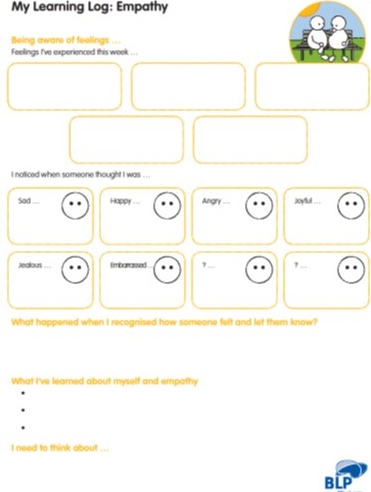
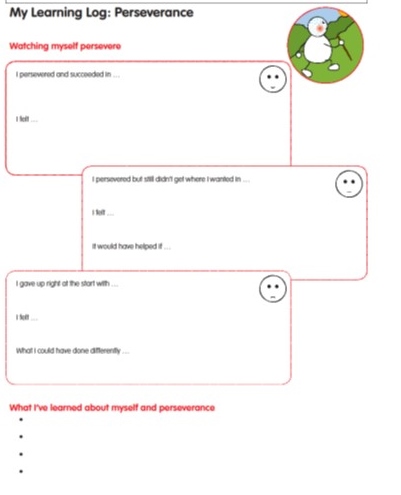
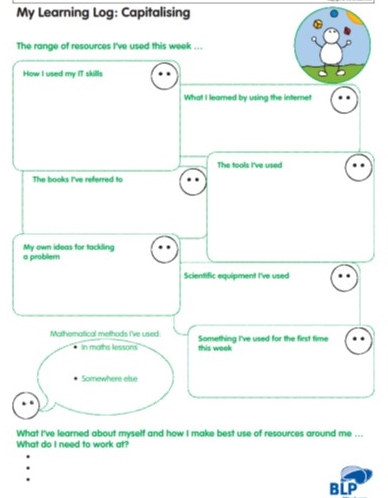
A Learning Log to alert students to Capitalising across subjects
Primary and Secondary
What do you think?
Make a note of…

NB. None of the behaviours above will lead to instant understanding in students nor instant changes of behaviour. You will need to drip them in over time and keep building and refreshing your language of learning.